
01
Scope that fits the project
Separate verified author credentials and audience evidence from assumptions or aspirations.
A book proposal is more than a persuasive description of an idea. For many traditional nonfiction routes, it is the document that helps an agent or publisher judge the book’s audience, distinctiveness, author fit and practical scope before the full manuscript is complete. We help authors build a coherent proposal from the actual project—not from inflated market claims or generic template language.

Build every section around the same central book promise and intended readership.
Separate verified author credentials and audience evidence from assumptions or aspirations.
Adapt the package to the target route instead of treating one template as universally accepted.
Proposal writing support does not include fabricated endorsements, audience metrics, credentials, comparable sales data or promises of publisher acceptance.
Proposal writing support does not include fabricated endorsements, audience metrics, credentials, comparable sales data or promises of publisher acceptance.

Book proposal writing services help an author shape a nonfiction idea into a structured submission document. The work usually explains the book, its intended readers, market position, author qualifications, chapter plan and sample writing.
Traditional nonfiction proposals are often used before the full manuscript is finished, although exact requirements differ. Literary fiction is commonly submitted through a different package, which may use a query letter, synopsis and sample chapters. Memoir can sit between these approaches depending on the project and submission target, so the intended route should be clarified first.
The most persuasive proposal makes specific choices. It names a realistic core audience, describes a problem or interest the book serves, explains why this author is equipped to write it, and shows how chapters deliver the promise. Broad claims such as “everyone needs this book” or “there is no competition” usually signal that positioning needs more work.
Comparable titles are not merely books with a similar subject. They can help demonstrate readership, shelf context and points of difference. They should be relevant and recent enough for the category, honestly described, and used to explain how the proposed book offers a distinct contribution—not to imply unsupported sales or guaranteed demand.
Book proposal writing services help an author shape a nonfiction idea into a structured submission document.
The work usually explains the book, its intended readers, market position, author qualifications, chapter plan and sample writing.
Traditional nonfiction proposals are often used before the full manuscript is finished, although exact requirements differ.
You have subject knowledge but need to communicate the book’s reader value, structure and author credentials clearly.
You need to explain the narrative arc, intended readership and why your perspective supports a wider reader experience.
You want to test whether the concept, chapter architecture and sample material make a coherent whole.
Leadership & LegacyYou need a tailored proposal package and a checklist for the intended agents or publishers.
Thought LeadershipA service should begin by asking where you plan to submit and what already exists. If the target agent specifies an exact format, that guidance takes precedence over any general template.
Expertise & ImpactYou have subject knowledge but need to communicate the book’s reader value, structure and author credentials clearly.
Story & LegacyYou need to explain the narrative arc, intended readership and why your perspective supports a wider reader experience.
Knowledge & InfluenceYou wantto test whetherthe concept, chapter architecture and sample material make a coherent whole.
Explore Your book proposal writing Path ↗Define the premise, reader need, core argument or narrative approach, and what makes the book distinct.
Describe primary readers and realistic secondary audiences, their needs and where the book belongs.
Select relevant books and explain similarities and meaningful differences without invented sales figures.
Present relevant experience, publications, access, speaking, community or audience evidence accurately.
Show the work’s progression and what each chapter contributes to the central promise.
Plan or refine sample material and check it against the requirements of the intended submission route.
Detailed sales-data research, platform building, full manuscript drafting, legal review and literary-agent outreach may be separate scopes. Credentials and statistics must be supplied or verified by the author.
Define the premise, reader need, core argument or narrative approach, and what makes the book distinct.
Describe primary readers and realistic secondary audiences, their needs and where the book belongs.
Select relevant books and explain similarities and meaningful differences without invented sales figures.
Present relevant experience, publications, access, speaking, community or audience evidence accurately.
Show the work’s progression and what each chapter contributes to the central promise.
Plan or refine sample material and check it against the requirements of the intended submission route.
Detailed sales-data research, platform building, full manuscript drafting, legal review and literary-agent outreach may be separate scopes.
Credentials and statistics must be supplied or verified by the author.
A book proposal is more than a persuasive description of an idea.
For many traditional nonfiction routes, it is the document that helps an agent or publisher judge the book’s audience, distinctiveness, author fit and practical scope before the full manuscript is complete.
We help authors build a coherent proposal from the actual project—not from inflated market claims or generic template language.
Explain who the book is for, what it helps them understand or do, and why the approach matters.
Choose comparable titles and audience signals carefully, rather than claiming a book is for everyone.
Connect the overview, author platform, chapter summaries, sample material and publishing rationale.
We start with the actual book and target route, then build the proposal in an order that exposes unclear thinking before polishing the wording.
A proposal should not invent publishing contacts, guarantee response rates or imply an agent has endorsed the project. Author approval of facts and positioning is essential.
We start with the actual book and target route, then build the proposal in an order that exposes unclear thinking before polishing the wording.
A proposal should not invent publishing contacts, guarantee response rates or imply an agent has endorsed the project.
Author approval of facts and positioning is essential.
Review the genre, concept, draft stage, comparable titles already considered and intended recipients.
Agree the core reader, promise, differentiator and evidence the proposal can honestly support.
Map the overview, audience, market context, author bio, promotion approach, chapter summaries and sample chapters.
Develop a coherent draft and ask targeted questions where facts, examples or author perspective are missing.
Book a Consultation ↗Build every section around the same central book promise and intended readership.
Separate verified author credentials and audience evidence from assumptions or aspirations.
Adapt the package to the target route instead of treating one template as universally accepted.
Proposal writing support does not include fabricated endorsements, audience metrics, credentials, comparable sales data or promises of publisher acceptance.
Useful proposal work is collaborative: the writer shapes presentation, while the author remains accountable for factual claims, credentials, research and the book’s final direction.
Build every section around the same central book promise and intended readership.
Separate verified author credentials and audience evidence from assumptions or aspirations.
Adapt the package to the target route instead of treating one template as universally accepted.
Proposal writing support does not include fabricated endorsements, audience metrics, credentials, comparable sales data or promises of publisher acceptance.
THE WEB PUBLISH ELITE HUB STANDARDAgent research, query-letter drafting, submission management, full manuscript writing, detailed market research and additional revision rounds should be named explicitly if required.
Agent research, query-letter drafting, submission management, full manuscript writing, detailed market research and additional revision rounds should be named explicitly if required.
A proposal brief recording the target audience, book promise and submission route.
An edited or drafted book overview and positioning statement.
Audience and comparable-title rationale with clear assumptions.
Author biography and platform section based on verified information supplied by the author.
Chapter summaries aligned with the actual planned manuscript.
An agreed number of sample chapters or sample-chapter edits, if included in scope.
An editable proposal file and submission-readiness checklist.
A book proposal is more than a persuasive description of an idea.
For many traditional nonfiction routes, it is the document that helps an agent or publisher judge the book’s audience, distinctiveness, author fit and practical scope before the full manuscript is complete.
We help authors build a coherent proposal from the actual project—not from inflated market claims or generic template language.
Explain who the book is for, what it helps them understand or do, and why the approach matters.
Choose comparable titles and audience signals carefully, rather than claiming a book is for everyone.
Connect the overview, author platform, chapter summaries, sample material and publishing rationale.
These are illustrative scenarios that show how proposal support can be used; they are not claims about completed client work.
Organize the core argument into a clear reader promise, chapter progression and sample-chapter plan.
 ↗
Clarify the specific reader experience and narrative focus without turning personal details into unsupported claims about universal appeal.
↗ Compare relevant books and articulate a credible point of difference, then tailor the proposal checklist to each recipient’s guidance.
 ↗
Important: These are illustrative project scenarios, not claims about completed client projects or guaranteed results. Replace them with verified work samples and permissioned testimonials if available.
 ↗
These are illustrative scenarios that show how proposal support can be used
they are not claims about completed client work.
Explore Full Portfolio ↗The goal is to help a reader evaluate the project without having to guess who the book serves, how it differs or whether the author can deliver it.
The agent or publisher decides whether the project fits its list and current priorities. Proposal quality is one part of that decision.
The goal is to help a reader evaluate the project without having to guess who the book serves, how it differs or whether the author can deliver it.
The agent or publisher decides whether the project fits its list and current priorities.
Proposal quality is one part of that decision.
A clear and consistent description of the book’s promise.
A more credible audience and positioning rationale.
Proposal needs vary by category, draft stage and the materials an author already has. Scope should be based on the real gap, not a one-size-fits-all package.
Review concept, audience, market position, chapter plan and missing evidence. Scope: Written recommendations and a section-by-section action plan.
Develop or revise the agreed proposal sections using author interviews and source materials. Scope: Editable proposal draft with defined author review rounds.
Proposal development plus a defined sample-chapter editing or drafting scope. Scope: Proposal package and agreed sample material, with boundaries listed in the quote.
No package guarantees agent representation, publisher acceptance, a deal, advance, sales or bestseller status. Source verification, extensive market research and additional chapters must be quoted separately unless specified.
Proposal needs vary by category, draft stage and the materials an author already has.
Scope should be based on the real gap, not a one-size-fits-all package.
Review concept, audience, market position, chapter plan and missing evidence.
Scope: Written recommendations and a section-by-section action plan.
Develop or revise the agreed proposal sections using author interviews and source materials.
Explains the nonfiction project, audience, author fit, structure and sample material. Choose this when: Your target route requests a proposal or the book needs a stronger business case.
Introduces a project briefly and asks an agent or editor to consider it. Choose this when: The recipient requests a query-led submission rather than a full proposal.
Diagnoses a draft’s strengths, weaknesses and revision priorities. Choose this when: You already have substantial manuscript pages and need editorial feedback before pitching.
Do not send the same package indiscriminately. Read the current submission instructions for each agent, publisher or imprint.
| Comparison point | Self-managed | Specialist support | Coordinated service |
|---|---|---|---|
| Book proposal | Query letter | Manuscript assessment | Book proposal |
| Query letter | Manuscript assessment | Book proposal | Query letter |
| Manuscript assessment | Book proposal | Query letter | Manuscript assessment |
| Book proposal | Query letter | Manuscript assessment | Book proposal |
| Query letter | Manuscript assessment | Book proposal | Query letter |
| Manuscript assessment | Book proposal | Query letter | Manuscript assessment |
| Book proposal | Query letter | Manuscript assessment | Book proposal |
| Query letter | Manuscript assessment | Book proposal | Query letter |
| Manuscript assessment | Book proposal | Query letter | Manuscript assessment |
| Book proposal | Query letter | Manuscript assessment | Book proposal |
| Query letter | Manuscript assessment | Book proposal | Query letter |
| Manuscript assessment | Book proposal | Query letter | Manuscript assessment |
Explains the nonfiction project, audience, author fit, structure and sample material.
Choose this when: Your target route requests a proposal or the book needs a stronger business case.
Introduces a project briefly and asks an agent or editor to consider it.
Choose this when: The recipient requests a query-led submission rather than a full proposal.
Diagnoses a draft’s strengths, weaknesses and revision priorities.
Explore practical guides, publishing insights, author strategies, and expert resources to help you make better decisions throughout the process of writing, publishing, marketing, and growing your book.


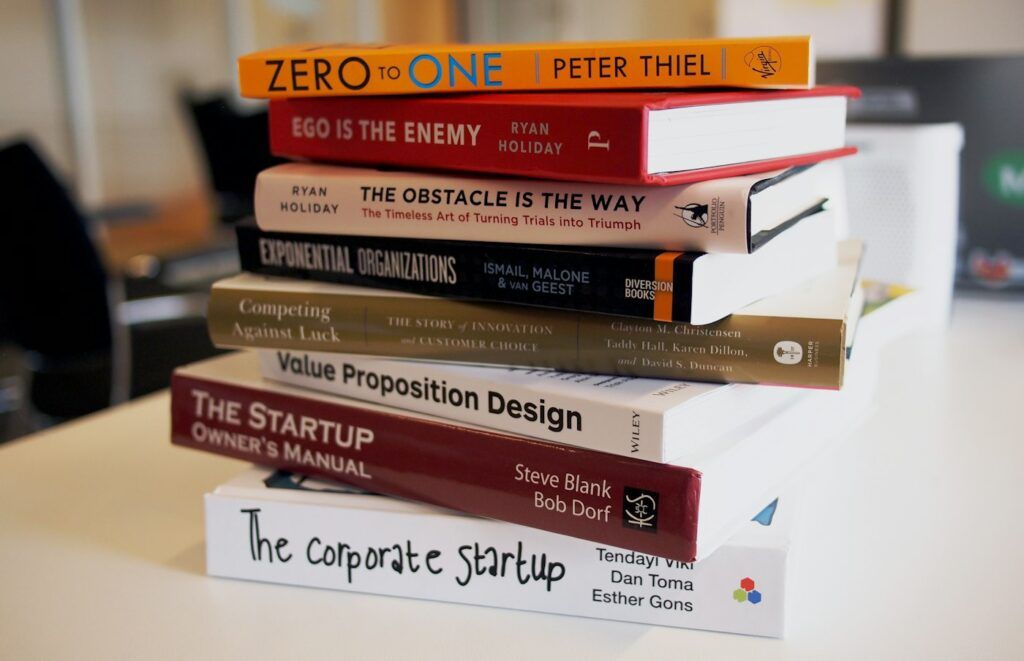



Looking for something specific? Explore the complete collection of publishing guides and resources.
Explore All Articles ↗Not always. Many traditional nonfiction submissions use proposals with sample chapters, but rules vary by publisher and category. Confirm the target route first.
No. A query is usually a short introduction, while a proposal provides more detail about the book, audience, author, chapter plan and sample material.
Fiction submissions commonly use a query, synopsis and sample pages, although some categories or publishers may request additional material. Follow the recipient’s guidelines.
Talk to a book proposal writing Expert ↗A concept brief can be developed, but the author must supply expertise, examples, factual support and a credible plan for delivering the book.
The scope can include identifying or organizing relevant titles, but any market or sales claim should be sourced and should not be inferred from a book’s online visibility.
It is the relevant access, reach, credentials, relationships or experience that may help an author serve readers and support the book. It should be described honestly.
No. Agents assess fit, list needs, writing, timing and many other factors beyond the proposal.
Yes, when the outline contains enough substance. Missing arguments, evidence or examples should be clarified rather than invented.
Only if stated in the scope. Sample-chapter drafting or editing is separate from polishing the overview and chapter summaries.
Share a working title, concept, intended readers, draft or outline, relevant credentials, known comparable titles and any target submission guidelines.
Many traditional nonfiction submissions use proposals with sample chapters, but rules vary by publisher and category.
A query is usually a short introduction, while a proposal provides more detail about the book, audience, author, chapter plan and sample material.
Fiction submissions commonly use a query, synopsis and sample pages, although some categories or publishers may request additional material.
A concept brief can be developed, but the author must supply expertise, examples, factual support and a credible plan for delivering the book.
The scope can include identifying or organizing relevant titles, but any market or sales claim should be sourced and should not be inferred from a book’s online visibility.
Submission expectations and terminology can differ among US, UK, Canadian, Australian, Indian and other publishing markets. Build the proposal around the recipients you intend to approach.
Remote servicedelivery does not implylocal representation or a relationship with anyagent or publisher. Donot submit personal, confidential or third-party material without appropriate permission.
Diagnose a draft before preparing a submission package.
Develop a manuscript from an approved plan and author input.
Explore Service ↗Improve structure and prose before submission.
Explore Service ↗Explore a separate collaborative writing arrangement.
Explore Service ↗Create a credible online home for an author and their work.
Explore Service ↗Improve discoverability for author and book-related searches.
Explore Service ↗Confirm that each destination URL is live before publishing; remove or update links to unpublished pages.
Explore Service ↗Diagnose a draft before preparing a submission package.
Explore Service ↗Develop a manuscript from an approved plan and author input.
Explore Service ↗Share the genre, book concept, draft stage and target submission route. We can identify which proposal sections already work, which need evidence and which need a clearer reader promise.
The most useful starting point is the current draft or outline plus any submission requirements you have already received.