
01
Author-led decisions
You approve positioning, editorial changes, cover direction, price, format, distribution choices and the final files.
Self-publishing services for authors who want professional support without handing away the decisions that belong to them. We help organize the editorial, design, formatting, platform and launch steps so you understand the choices, files, rights and responsibilities before your book goes live.

Independent publishing offers control, but it also makes the author responsible for decisions traditionally handled by a publisher. Good support explains those decisions, coordinates specialists and keeps ownership and account access clear.
You approve positioning, editorial changes, cover direction, price, format, distribution choices and the final files.
Check the manuscript, metadata, cover dimensions and interior files against the chosen platforms before submission.
Compare direct retailer publishing and wider distribution based on formats, markets, control and your actual goals.
Clarify who owns supplied copy, illustrations, source files, ISBN choices and platform accounts before work starts.

An author can upload a manuscript in a short session, but creating a book readers can comfortably evaluate and use takes more preparation. The editorial work, cover, interior layout, metadata, rights checks, distribution plan and launch assets should agree with one another.
Our self-publishing services help you make those choices in a deliberate order. Depending on your starting point, support may include a manuscript-readiness review, editing coordination, cover and interior production, ebook and print file checks, retailer setup guidance, metadata recommendations and launch planning. Platform interfaces and policies change, so final publishing steps are checked against the platform you actually intend to use.
Before a project begins, confirm account ownership, copyright and licence terms, ISBN responsibility, revision rounds, file formats, retailer selection and who presses the final publish button.
Before work starts: agree the objective, who approves decisions, what is included, file/account ownership and how success will be assessed.
An author can upload a manuscript in a short session, but creating a book readers can comfortably evaluate and use takes more preparation.
The editorial work, cover, interior layout, metadata, rights checks, distribution plan and launch assets should agree with one another.
Our self-publishing services help you make those choices in a deliberate order.
Different books and authors need different kinds of support. These are common starting points, not eligibility rules.
You have a complete or nearly complete manuscript and need help understanding what must happen before the book can be released.
You want the book to support your practice, consulting, speaking or professional authority while keeping control of positioning and rights.
Leadership & LegacyYou need genre-appropriate editing, cover design, formatting and retailer-ready metadata, either as a bundle or by stage.
Thought LeadershipThe manuscript is close, but the next steps—proofreading, interior design, ebook conversion or print setup—are unclear.
Expertise & ImpactYou want to correct errors, change the cover, update metadata or prepare a new edition without rebuilding everything unnecessarily.
Story & LegacyIf your primary goal is a traditional publishing contract, an author-led production service is not a substitute for literary-agent research, proposal development or publisher submissions. We can clarify what our scope covers, but we do not represent that a self-published route guarantees later acquisition by a traditional publisher.
Knowledge & InfluenceDifferentbooks andauthors need different kinds of support.
Explore Your Publishing Path ↗Every manuscript needs a different combination. A project should identify what is already complete, what requires a specialist and which deliverables are needed for each format.
Clarify the objective, audience, formats, territory, timeline, budget, degree of control and possible channels. Map dependencies so design is not finalized before editorial changes are complete.
Determine whether the manuscript needs developmental editing, line/copy editing, proofreading or only a final technical review. The right level depends on the draft; these stages are not interchangeable.
Coordinate a cover brief around category expectations, target readers, title legibility and format. Print editions may need a spine and back-cover layout based on final page count and printer specifications.
Prepare or review print-ready interior files and ebook files. Check headings, front/back matter, navigation, page breaks, images, footnotes and the chosen trim size or digital format.
Help prepare descriptions, author details, categories and keyword fields, and explain platform-specific requirements. Metadata recommendations should reflect the actual book and not misrepresent its contents.
Compare direct retailer upload with wider distribution options, identify dependencies for ISBN and imprint decisions, prepare launch tasks and establish a final pre-publication checklist.
Not every project needs every component. The proposal should identify prerequisites, included outputs, excluded costs and the next decision the work is meant to make easier.
Every manuscript needs a different combination.
A project should identify what is already complete, what requires a specialist and which deliverables are needed for each format.
Clarify the objective, audience, formats, territory, timeline, budget, degree of control and possible channels.
Map dependencies so design is not finalized before editorial changes are complete.
Determine whether the manuscript needs developmental editing, line/copy editing, proofreading or only a final technical review.
The right level depends on the draft
these stages are not interchangeable.
Coordinate a cover brief around category expectations, target readers, title legibility and format.
Print editions may need a spine and back-cover layout based on final page count and printer specifications.
Prepare or review print-ready interior files and ebook files.
Check headings, front/back matter, navigation, page breaks, images, footnotes and the chosen trim size or digital format.
Help prepare descriptions, author details, categories and keyword fields, and explain platform-specific requirements.
Metadata recommendations should reflect the actual book and not misrepresent its contents.
The production schedule depends on manuscript completeness, editorial revisions, cover concepts, format complexity and retailer review. We set a project-specific timeline rather than promise a universal turnaround.
Share the manuscript status, intended audience, formats, launch goals and any platform preferences.
A brief, route options and list of decisions that affect cost or timing.
Review what editorial and production work is still needed and whether the content is ready to be designed.
A prioritized production checklist and recommended order of work.
Agree the editing level and review process; the author resolves substantive questions and approves the revised manuscript.
An approved, version-controlled manuscript for design.
Develop cover and interior files for the agreed formats, using final specs and the approved manuscript.
Review proofs and format-specific files for author approval.
Book a Consultation ↗The working model is designed to make the decisions, responsibilities and limits of the engagement understandable before the project begins.
The author knows which decisions require approval and which operational steps are delegated.
Ebook, paperback, hardcover and audiobook may have different production and distribution requirements; the plan starts with intended formats.
Cover and layout should use the approved manuscript and correct print specifications, reducing avoidable rework.
Illustrations, photographs, fonts, quotations, permissions, contributor contracts and third-party assets are checked as relevant to the project.
Retailer setup, ISBN, pricing, territory, content and file requirements can differ and change; we avoid presenting one platform workflow as universal.
Self-publishing can create a route to market, but it does not guarantee distribution acceptance, discoverability, reviews or sales.
The working model is designed to make the decisions, responsibilities and limits of the engagement understandable before the project begins.
The author knows which decisions require approval and which operational steps are delegated.
THE WEB PUBLISH ELITE HUB STANDARDThe agreed proposal will specify which production and coordination items are included. Common deliverables may include:
A decision summary covering audience, formats, distribution priorities, account ownership and major dependencies.
A defined editing stage, revision expectations, manuscript version naming and approval point.
Concept direction, approved cover files and format-specific exports as scoped; source files only where agreed.
Print PDF and/or ebook files prepared for the selected formats, plus a final proofing checklist.
Check title page, copyright page, contents, acknowledgements, author bio, calls to action and other relevant book sections.
Proposed description, author details, categories and platform keyword suggestions based on the book and target readers.
Requirements and submission steps for the agreed retailer or distributor; publishing account fees are not included unless stated.
Notes for ISBN, permissions, contributor credits, assets, account owners and open questions that need author or legal review.
Files delivered, outstanding checks, live-listing verification steps and next-step recommendations.
ISBN purchase, legal advice, copyright registration, translation rights, printing, advertising spend, retailer fees, third-party distribution fees and any unlisted editing or design revisions are separate unless expressly included.
The agreed proposal will specify which production and coordination items are included.
A decision summary covering audience, formats, distribution priorities, account ownership and major dependencies.
A defined editing stage, revision expectations, manuscript version naming and approval point.
Concept direction, approved cover files and format-specific exports as scoped
The examples below explain the type of planning that may be useful. They are fictional scenarios, not attributed client engagements or promised results.
Illustrative scenario · Business nonfiction
 ↗
Situation: The author has a completed manuscript, but the intended reader, format plan and production checklist are not yet agreed.
↗ Possible approach: A staged engagement could settle format and audience decisions, coordinate editing, create a cover brief, produce final files and prepare a retailer submission checklist.
 ↗
Illustrative scenario · Fiction
 ↗
Situation: The author has a polished draft but needs a consistent cover system and separate digital/print files.
Possible approach: The team could approve a cover direction, use final trim and page-count specifications for print, test ebook navigation and coordinate a pre-publication proof.
Explore Full Portfolio ↗We define useful signals before work begins and report what is known, what remains uncertain and what decision the evidence supports.
The cover, description, format and content should give compatible signals about what the reader is choosing.
A controlled process reduces the risk of uploading the wrong file, using stale page-count specifications or missing critical front/back matter.
You understand which platform and distribution choices were made, why they were selected and who controls the account.
A well-organized handover makes future corrections, new formats or a revised edition easier to scope.
Milestones reflect manuscript readiness, approvals and platform processing rather than an arbitrary launch date.
After publication, you can decide whether to prioritize marketing, author-platform growth, additional formats or a backlist plan.
These are planning tiers rather than public prices. We can scope an individual stage or coordinate multiple stages after reviewing the manuscript and the publishing route.
For authors who need the next steps and responsibilities clarified.
{esc(fit.split(":",1)[0])}: {esc(fit.split(":",1)[1] if ":" in fit else fit)}
For authors whose manuscript is ready for coordinated production.
{esc(fit.split(":",1)[0])}: {esc(fit.split(":",1)[1] if ":" in fit else fit)}
For authors who want connected support across several publishing stages.
{esc(fit.split(":",1)[0])}: {esc(fit.split(":",1)[1] if ":" in fit else fit)}
We clarify who submits the book, owns publishing accounts, pays platform costs and approves final publication. Do not assume the service includes every format or third-party charge unless it is listed.
These are planning tiers rather than public prices.
We can scope an individual stage or coordinate multiple stages after reviewing the manuscript and the publishing route.
These routes differ in control, selection, investment, rights and workload. The labels can be used loosely in the market, so read the actual contract and responsibilities rather than relying on a label alone.
Decision rule: choose the route that solves the biggest current constraint, fits the available budget and leaves responsibilities clear. A bigger package is not automatically the better package.
These routes differ in control, selection, investment, rights and workload.
The labels can be used loosely in the market, so read the actual contract and responsibilities rather than relying on a label alone.
| Route | May suit you when… | Check before choosing | Author-led self-publishing |
|---|---|---|---|
| You retain major decisionsand coordinate the production and distribution plan, often paying for selectedservices up front. | You take responsibility for quality control, marketing and many publishing decisions. | A publisher selects the work and contract terms define rights, royalties, services and responsibilities. | Submission is competitive, timelines can be longer and the author has less direct control over some decisions. |
| A service provider maycoordinate selected production tasks or offera bundled route. | Review fees, deliverables, distribution claims, rights and account ownership carefully; the label alone does not prove value. | You do the editing, design, formatting and platform setup yourself. | This can lower direct service costs but requires time, tools and careful technical checking. |
| These routes differin control, selection, investment,rights and workload | Decision rule | These routes differ in control, selection, investment, rights and workload | Decision rule |
| These routesdiffer in control, selection, investment, rightsand workload | Decision rule | These routes differ in control, selection, investment, rights and workload | Decision rule |
| These routes differin control, selection, investment, rightsand workload | Decision rule | These routes differ in control, selection, investment, rights and workload | Decision rule |
| These routes differin control, selection, investment,rights and workload | Decision rule | These routes differ in control, selection, investment, rights and workload | Decision rule |
| These routes differ incontrol, selection, investment,rights and workload | Decision rule | These routes differ in control, selection, investment, rights and workload | Decision rule |
| These routes differin control, selection, investment,rights and workload | Decision rule | These routes differ in control, selection, investment, rights and workload | Decision rule |
| These routes differin control, selection, investment, rightsand workload | Decision rule | These routes differ in control, selection, investment, rights and workload | Decision rule |
| These routes differin control, selection, investment,rights and workload | Decision rule | These routes differ in control, selection, investment, rights and workload | Decision rule |
| These routes differin control, selection, investment,rights and workload | Decision rule | These routes differ in control, selection, investment, rights and workload | Decision rule |
| These routes differin control, selection, investment, rightsand workload | Decision rule | These routes differ in control, selection, investment, rights and workload | Decision rule |
Decision rule: choose the route that solves the biggest current constraint, fits the available budget and leaves responsibilities clear.
A bigger package is not automatically the better package.
You retain major decisions and coordinate the production and distribution plan, often paying for selected services up front.
You take responsibility for quality control, marketing and many publishing decisions.
A publisher selects the work and contract terms define rights, royalties, services and responsibilities.
Explore practical guides, publishing insights, author strategies, and expert resources to help you make better decisions throughout the process of writing, publishing, marketing, and growing your book.


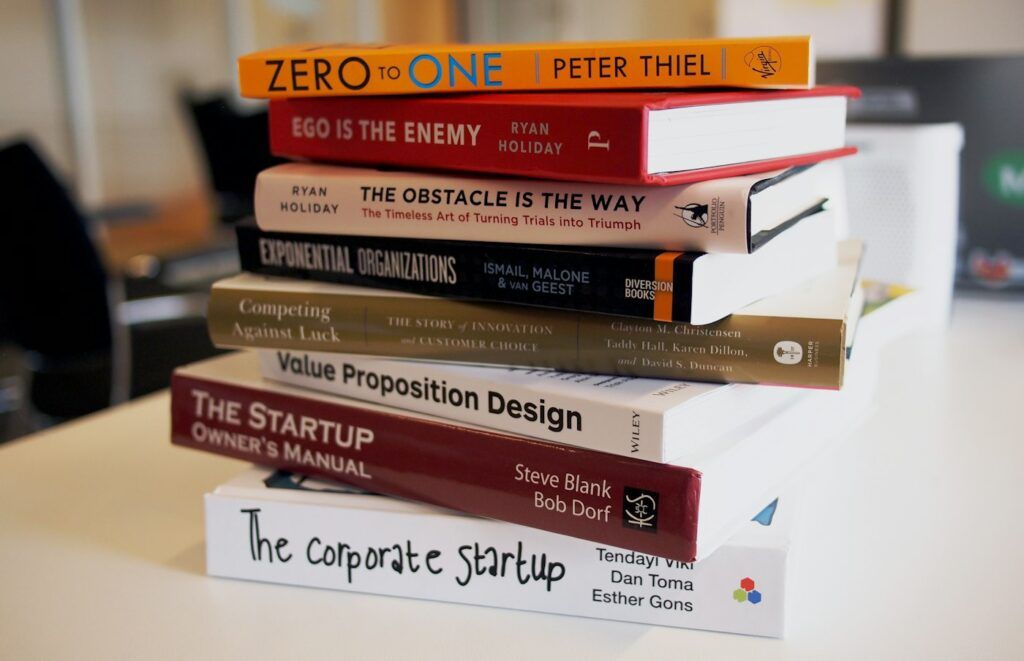



Looking for something specific? Explore the complete collection of publishing guides and resources.
Explore All Articles ↗Clear answers to common service questions. If a project has unusual requirements, confirm them in the written scope before approving the work.
They are specialist services that help authors prepare, produce and release a book while retaining an author-led publishing route. Support may include editing, cover design, formatting, metadata, platform setup guidance, distribution decisions and launch planning.
Costs depend on manuscript length, editorial needs, number of formats, design complexity, rights/permissions, distribution and coordination. A useful estimate starts with a manuscript assessment and a list of deliverables rather than a generic all-in promise.
Ask a question ↗Rights depend on the contracts and licences you sign. An author-led route commonly allows you to retain copyright, but read agreements for editing, cover artwork, illustrations, fonts, photos, distribution and any bundled service. Ask who owns or may reuse each asset.
It depends on format, country, platform and distribution plan. Some platforms provide identifiers for certain formats while wider distribution or imprint choices may require a different approach. Confirm requirements for the actual markets and channels before deciding.
No. KDP is one self-publishing platform. Authors may also consider other retailers, aggregators or direct sales, depending on format and goals. Availability and terms vary, so choose based on the audience and desired control.
Ideally, settle the manuscript after substantive editing before final cover dimensions and print layouts are locked. Cover concept work can sometimes begin earlier, but final print spine width and interior pagination depend on the final file specifications.
No service can guarantee platform acceptance or a launch date because retailer rules, file checks and content review are outside a provider’s full control. Good preparation can reduce avoidable issues, and a clear correction process helps when a platform flags a problem.
Copyediting addresses language, consistency, grammar and style during manuscript preparation. Proofreading is a final check on a near-final version, often after layout. Developmental editing focuses on structure, argument, character, pacing or content-level issues.
Usually, yes if the platform and work suit those formats, but each requires appropriate files and quality checks. A print interior and cover are not simply interchangeable with an ebook file.
That must be explicitly agreed. We recommend making ownership, login access, payment responsibility, metadata approval and the final publication decision clear before work starts.
There is no universal timeline. Editing, author revisions, cover concepts, layout complexity, print proofs and retailer processing all affect the schedule. The timeline should be built around the actual manuscript and required formats.
It can happen, but it is not a reliable or guaranteed outcome. Prior sales, rights availability, contract history, market interest and the publisher’s strategy matter. If traditional acquisition is your primary goal, evaluate the trade-offs before releasing the book.
Share the book title or working title, format, genre, publication status, target audience, timing and what you have already tried. You do not need a perfect brief; a clear snapshot is enough to start a useful conversation.
Clear answers to common service questions.
The work is delivered remotely and scoped for the author’s intended territories and platforms. ISBN, tax, legal, pricing, language and distribution details differ by market; we identify decisions that need confirmation instead of assuming one country’s process applies everywhere.
Formatand distributionplanning for authorstargetingUS readers and retailers.
Use these related services when they solve a specific production, distribution or discoverability requirement for the book.
Coordinate the broader publishing journey.
Explore Service ↗Explore book publishing services ↗
Explore Service ↗Prepare the manuscript before final design.
Explore Service ↗Explore book editing services ↗
Explore Service ↗Create reader-facing cover artwork for the chosen format.
Explore Service ↗Explore book cover design services ↗
Explore Service ↗Prepare interior and ebook files.
Explore Service ↗Explore book formatting services ↗
Explore Service ↗Tell us the stage of your manuscript, your target readers and the formats you have in mind. We can discuss the most useful next steps and separate essential production work from optional extras.
A first conversation is for clarifying fit and scope. Any proposal should set out the deliverables, responsibilities, costs, assumptions and exclusions before work begins.