
01
Audience before channels
Define the reader, comparable titles, buying context and message before deciding where to spend time or media budget.
Book marketing services for authors who want a clear route from “my book is available” to a more discoverable, professionally presented title. We connect audience research, book-page messaging, launch planning and practical online visibility—without promising bestseller rankings or overnight sales.

Good book marketing begins with fit: the right reader, a clear reason to care, a credible book page and a campaign that can be measured. We help coordinate those pieces so effort is spent on the bottlenecks that matter.
Define the reader, comparable titles, buying context and message before deciding where to spend time or media budget.
Review the cover, description, categories, sample and price so campaigns send people to a page that explains the book clearly.
Plan both release-period activity and the ongoing discovery work many books need after launch week.
Separate reach, clicks, engagement, orders and royalty economics instead of treating every impression as a sale.

A strong manuscript can still struggle to find readers when its positioning is vague, its retailer page is hard to understand or promotion is aimed at people who are unlikely to buy it. Effective book marketing connects the promise of the book to the places and moments where its intended audience makes decisions.
Our book marketing services can support a pre-launch, a new release, a backlist title or a relaunch. The work may include audience and competitor research, book description refinement, retailer metadata recommendations, launch sequencing, author-platform content, outreach planning and paid campaign coordination. The right mix depends on the book, available assets, budget and how success will be evaluated.
It is “Who is most likely to value this book, what evidence would help them choose it, and where can we reach them responsibly?” That answer determines the channel mix.
Before work starts: agree the objective, who approves decisions, what is included, file/account ownership and how success will be assessed.
A strong manuscript can still struggle to find readers when its positioning is vague, its retailer page is hard to understand or promotion is aimed at people who are unlikely to buy it.
Effective book marketing connects the promise of the book to the places and moments where its intended audience makes decisions.
Our book marketing services can support a pre-launch, a new release, a backlist title or a relaunch.
Different books and authors need different kinds of support. These are common starting points, not eligibility rules.
You need a practical sequence for launch preparation, early awareness, retailer-page readiness and the first audience you can continue to reach.
You control the listing and campaign decisions and want connected support across metadata, creative assets, ads and audience development.
Leadership & LegacyYou need to complement publisher activity with a stronger author platform, speaking opportunities, newsletter growth or niche audience outreach.
Thought LeadershipYou want the book to support credibility, speaking, consulting, a professional audience or a wider thought-leadership platform.
Expertise & ImpactA previous launch was quiet or sales have slowed; you want to assess the book page, positioning and discoverability before investing again.
Story & LegacyMarketing cannot repair every product problem. If the cover is misleading, the description does not match the book, the format has errors or the target audience is unclear, address those issues before scaling promotion. We will identify prerequisites rather than disguise them as a campaign.
Knowledge & InfluenceDifferentbooks andauthors need different kinds of support.
Explore Your book marketing Path ↗Choose a focused project or a coordinated campaign. Each component should have a job, a deliverable and a way to judge whether it is helping.
Clarify the book’s genre or category, intended reader, distinctive promise and comparable titles. Research guides the language, outreach list and channel choices; it does not predict sales with certainty.
Evaluate the title/subtitle, description, author bio, categories, search terms, sample, pricing context and available enhanced content. Recommendations are tailored to the retailer and its current rules.
Build a calendar for announcement, advance reader outreach where appropriate, cover reveal, email, social content, interviews, events and launch-week activity. Tasks are sequenced around actual approvals and release dates.
Where suitable, plan or manage ads, define test budgets, select keywords and product targets, review search-term reports and pause wasteful activity. Media spend is separate from service fees.
Coordinate author bio and website messaging, reader magnet or sample offer, newsletter sign-up, welcome email and repeatable content themes. An email list offers a direct channel, but consent and privacy rules still apply.
Prepare a press or media kit and a targeted list of relevant podcasts, newsletters, reviewers, book clubs, bloggers or organizations. Outreach is personalized; placement, reviews and replies cannot ethically be guaranteed.
Not every project needs every component. The proposal should identify prerequisites, included outputs, excluded costs and the next decision the work is meant to make easier.
Choose a focused project or a coordinated campaign.
Each component should have a job, a deliverable and a way to judge whether it is helping.
Clarify the book’s genre or category, intended reader, distinctive promise and comparable titles.
Research guides the language, outreach list and channel choices
it does not predict sales with certainty.
Evaluate the title/subtitle, description, author bio, categories, search terms, sample, pricing context and available enhanced content.
Recommendations are tailored to the retailer and its current rules.
Build a calendar for announcement, advance reader outreach where appropriate, cover reveal, email, social content, interviews, events and launch-week activity.
Tasks are sequenced around actual approvals and release dates.
Where suitable, plan or manage ads, define test budgets, select keywords and product targets, review search-term reports and pause wasteful activity.
Media spend is separate from service fees.
Coordinate author bio and website messaging, reader magnet or sample offer, newsletter sign-up, welcome email and repeatable content themes.
An email list offers a direct channel, but consent and privacy rules still apply.
The sequence can be shortened for a focused audit or extended for a launch or ongoing campaign. We confirm dependencies before work starts, particularly publication dates, retailer access and media budget.
Share the book, publication status, audience hypothesis, constraints, previous activity and what success would look like.
A concise brief, priority goals and a list of missing inputs.
Review positioning, cover and description fit, listing readiness, comparable titles, existing audience and available data.
An opportunity map separating urgent fixes from experiments.
Choose channels based on reader behaviour, asset readiness, available time and budget—not trend-chasing.
A documented campaign plan, calendar, responsibilities and measurement plan.
Prepare or refine copy, campaign creative, email content, press materials and tracking conventions.
Reviewable assets with a clear approval checkpoint before publication.
Book a Consultation ↗The working model is designed to make the decisions, responsibilities and limits of the engagement understandable before the project begins.
Rankings and sales depend on reader demand, competition, retailer systems, price, reviews, timing and many other factors outside any agency’s control.
A literary novel, practical business guide, children’s picture book and specialist nonfiction title do not share the same reader journey or promotional channels.
A campaign can attract clicks and still waste money if the book page does not make the book’s value and audience clear.
Where platform terms allow, accounts, original assets and data should remain accessible to the author or rights holder. Access is agreed before execution.
We do not recommend buying positive reviews, disguising incentives or creating fake reader activity. Outreach must follow the rules of the retailer and channel.
We explain what was done, what was measured, what cannot yet be concluded and what to test next—rather than presenting vanity metrics as business results.
The working model is designed to make the decisions, responsibilities and limits of the engagement understandable before the project begins.
Rankings and sales depend on reader demand, competition, retailer systems, price, reviews, timing and many other factors outside any agency’s control.
THE WEB PUBLISH ELITE HUB STANDARDThe final scope is written around the chosen route. Typical deliverables can include the following; only the items named in the approved scope are included.
Audience, book promise, goals, constraints, differentiators and success measures.
Relevant books, reader language, category context and opportunities to validate.
Prioritized edits for the description, author bio, categories, keywords and page assets.
Launch milestones, channel activity, asset dependencies, owner and approval date.
Approved ad copy, social post themes, email drafts, press-kit text or campaign briefs as scoped.
Account audit, campaign structure, targeting plan and agreed optimization cadence if ad management is included.
Author bio, book synopsis, talking points, press release or a focused outreach list, depending on scope.
Defined metrics, tracking links where appropriate, budget tracking, observations and next recommendations.
Final files, access checklist, outstanding decisions and a suggested 30/60/90-day follow-up plan.
Usually excluded unless expressly quoted: advertising spend, paid editorial placements, travel or event costs, retailer fees, printing, guaranteed reviews, guaranteed rankings or guaranteed sales.
The final scope is written around the chosen route.
Typical deliverables can include the following
only the items named in the approved scope are included.
Audience, book promise, goals, constraints, differentiators and success measures.
These examples show how an engagement might be structured. They are fictional planning scenarios, not claims about completed client work or guaranteed outcomes.
Illustrative scenario · Nonfiction
 ↗
Situation: The author already has expertise and speaking experience but the book page does not connect the book to the audience’s business problem.
↗ Possible approach: A focused plan could refine the book promise, create a speaker/press kit, prepare event follow-up emails and measure qualified enquiries separately from book orders.
 ↗
Illustrative scenario · Fiction
 ↗
Situation: An author is attracting some listing visits but is unsure whether the cover, blurb, category fit or price is the obstacle.
Possible approach: A diagnostic would review comparable titles, reader expectations, retailer-page clarity and small, controlled promotional tests before increasing ad spend.
Explore Full Portfolio ↗We define useful signals before work begins and report what is known, what remains uncertain and what decision the evidence supports.
A reader should be able to understand what the book is, who it is for and why it may be relevant. Test this through message reviews and listing engagement.
Fix avoidable friction in the cover, description, metadata, sample, author bio or format presentation before sending more traffic.
Use agreed budgets and review periods to identify campaigns or targets that merit pausing, revising or continuing.
Document who does what and when, reducing last-minute asset gaps and missed handoffs.
Track qualified website visits, newsletter opt-ins, event enquiries, ad clicks and attributed orders where reliable data is available.
Leave with a prioritized plan that distinguishes what the evidence supports from what needs another test.
These are scope frameworks, not fixed-price promises. The final proposal depends on book readiness, the number of titles, channels, campaign length, production needs and whether paid media is involved.
For authors who want to understand what is holding discovery back.
{esc(fit.split(":",1)[0])}: {esc(fit.split(":",1)[1] if ":" in fit else fit)}
For a defined publication or renewed-promotion window.
{esc(fit.split(":",1)[0])}: {esc(fit.split(":",1)[1] if ":" in fit else fit)}
For authors who need coordination and consistent testing.
{esc(fit.split(":",1)[0])}: {esc(fit.split(":",1)[1] if ":" in fit else fit)}
We separate service fees from ad spend and third-party charges. Do not choose a package based only on the number of posts or ads; choose it based on the actual bottleneck and work required.
These are scope frameworks, not fixed-price promises.
The final proposal depends on book readiness, the number of titles, channels, campaign length, production needs and whether paid media is involved.
Different approaches can work. The right choice depends on how much time you have, whether you have reliable marketing skills in-house and what you need help coordinating.
Decision rule: choose the route that solves the biggest current constraint, fits the available budget and leaves responsibilities clear. A bigger package is not automatically the better package.
The right choice depends on how much time you have, whether you have reliable marketing skills in-house and what you need help coordinating.
Decision rule: choose the route that solves the biggest current constraint, fits the available budget and leaves responsibilities clear.
| Route | May suit you when… | Check before choosing | Do it yourself |
|---|---|---|---|
| You have time tolearn, a modest test budget and the confidence to manage the retailer,copy, creative and reporting. | You still need a documented strategy and a habit of reviewing outcomes. | You know which assets are missing and can coordinate multiple freelancers. | Allow time for briefs, file handoffs, quality control and campaign ownership. |
| You want oneplan connecting positioning, listing readiness, launchactivity and measurement. | Best when the scope, approvals, budget and responsibilities are written down. | Your cover, blurb, audience or conversion path is not ready, or you cannot afford a learning budget. | Fix the fundamentals before buying more attention. |
| Differentapproaches canwork | Decision rule | Different approaches can work | Decision rule |
| Differentapproaches canwork | Decision rule | Different approaches can work | Decision rule |
| Differentapproaches canwork | Decision rule | Different approaches can work | Decision rule |
| Differentapproaches canwork | Decision rule | Different approaches can work | Decision rule |
| Different approachescanwork | Decision rule | Different approaches can work | Decision rule |
| Differentapproaches canwork | Decision rule | Different approaches can work | Decision rule |
| Differentapproaches canwork | Decision rule | Different approaches can work | Decision rule |
| Differentapproaches canwork | Decision rule | Different approaches can work | Decision rule |
| Differentapproaches canwork | Decision rule | Different approaches can work | Decision rule |
| Differentapproaches canwork | Decision rule | Different approaches can work | Decision rule |
A bigger package is not automatically the better package.
You have time to learn, a modest test budget and the confidence to manage the retailer, copy, creative and reporting.
You still need a documented strategy and a habit of reviewing outcomes.
You know which assets are missing and can coordinate multiple freelancers.
Allow time for briefs, file handoffs, quality control and campaign ownership.
Explore practical guides, publishing insights, author strategies, and expert resources to help you make better decisions throughout the process of writing, publishing, marketing, and growing your book.


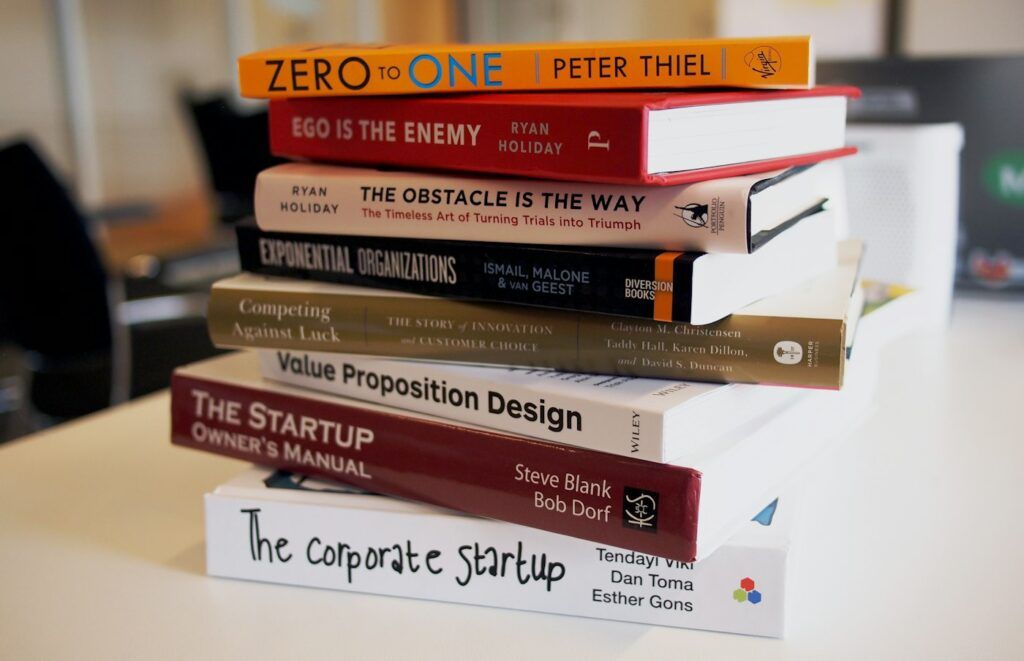



Looking for something specific? Explore the complete collection of publishing guides and resources.
Explore All Articles ↗Clear answers to common service questions. If a project has unusual requirements, confirm them in the written scope before approving the work.
Scope varies. It can include audience research, positioning, retailer-page optimization, launch planning, email and social assets, paid advertising, outreach, author-platform work and reporting. A proposal should list included tasks, approvals, timing, third-party costs and exclusions.
No. A provider can commit to agreed work and transparent reporting, but sales and rankings depend on reader demand, competition, price, distribution, retailer systems, reviews, timing and other factors no provider fully controls.
Ask a question ↗Often, yes—if the publication date, cover, description and relevant details are sufficiently stable. Pre-launch work may include audience research, reader-list development, outreach preparation and a coordinated announcement plan. Starting late does not make a launch impossible; it changes the scope.
The terms overlap. Promotion usually describes specific activities such as an email, ad, interview or event. Marketing should also include positioning, audience fit, the purchase path, channel selection and measurement.
Amazon listing optimization and ad support can be scoped where appropriate. Ad budget is separate, account access is agreed in advance, and the plan should include a review of conversion readiness, targeting, search terms and profitability—not clicks alone.
Yes. A backlist review may identify opportunities in the product page, metadata, author website links, positioning, pricing context or audience outreach. A relaunch should begin with a diagnosis rather than assuming that more posting will solve the problem.
No. We can prepare materials and conduct relevant outreach, but third parties decide whether to respond, review or publish. Reviews must be genuine and comply with applicable platform policies.
There is no universal minimum that makes a campaign profitable. A workable test budget depends on the book’s price and royalty, category, competition, conversion rate and the amount of data needed. Set a limit you can afford to learn from.
An audit can be a defined short project; launch campaigns often need preparation before release; ongoing discovery may take months. Timing depends on deliverables, approvals, platform review and campaign goals, so we set milestones after reviewing the brief.
It can connect the book page to your author website, newsletter, speaking profile and useful content. The goal is a coherent path from discovery to the next action, while respecting privacy and consent when collecting reader information.
Usually the book or manuscript overview, genre, publication status/date, retailer or website links, current cover and description, target readers, prior marketing activity, goals, constraints and an approximate working budget.
Not every book is ready for paid promotion. If the positioning, editorial quality, packaging, audience or distribution is unresolved, start with those fundamentals. A useful provider should explain the gap rather than sell a campaign that cannot address it.
Share the book title or working title, format, genre, publication status, target audience, timing and what you have already tried. You do not need a perfect brief; a clear snapshot is enough to start a useful conversation.
Clear answers to common service questions.
Web Publish Elite Hub works with authors and publishing teams on remote, project-based support across time zones. We do not imply local offices or on-the-ground representation where none has been confirmed; campaign channels and local requirements are scoped for the intended market.
USretailer pages,reader communities, media andlaunch timingas relevant to the book.
Book marketing works best when the book itself, publishing route and author presence support the same promise. Explore related services only where they solve a real gap.
Coordinate production and publishing requirements around the book.
Explore Service ↗Explore book publishing services ↗
Explore Service ↗Plan a controlled author-led route from production to release.
Explore Service ↗Explore self-publishing services ↗
Explore Service ↗Strengthen genre signalling and first-impression clarity.
Explore Service ↗Explore book cover design services ↗
Explore Service ↗Resolve editorial issues before sending readers to the page.
Explore Service ↗Explore book editing services ↗
Explore Service ↗Tell us what you have published, who the book is for and what has or has not worked. We will use that context to discuss a realistic scope, prerequisites and next steps.
A first conversation is for clarifying fit and scope. Any proposal should set out the deliverables, responsibilities, costs, assumptions and exclusions before work begins.