
01
Genre-aware, not formulaic
Use category conventions as evidence of reader expectations—not as a reason to copy another book’s design.
Book cover design services for authors who need a distinctive, professionally prepared cover that communicates the right promise to the right reader. We connect genre research, title legibility, typography, imagery and format specifications—so the design works as a small online thumbnail as well as a full-size print cover.

Readers often see a thumbnail before they read a description. The cover needs to feel distinct without sending the wrong signals about category, tone, age range or reading experience.
Use category conventions as evidence of reader expectations—not as a reason to copy another book’s design.
Test title, author name, contrast and visual hierarchy at the sizes readers actually encounter online.
Use the chosen platform’s dimensions, spine calculation, bleed and resolution requirements for final files.
Record who owns the final design, what third-party assets are licensed and whether editable source files are included.
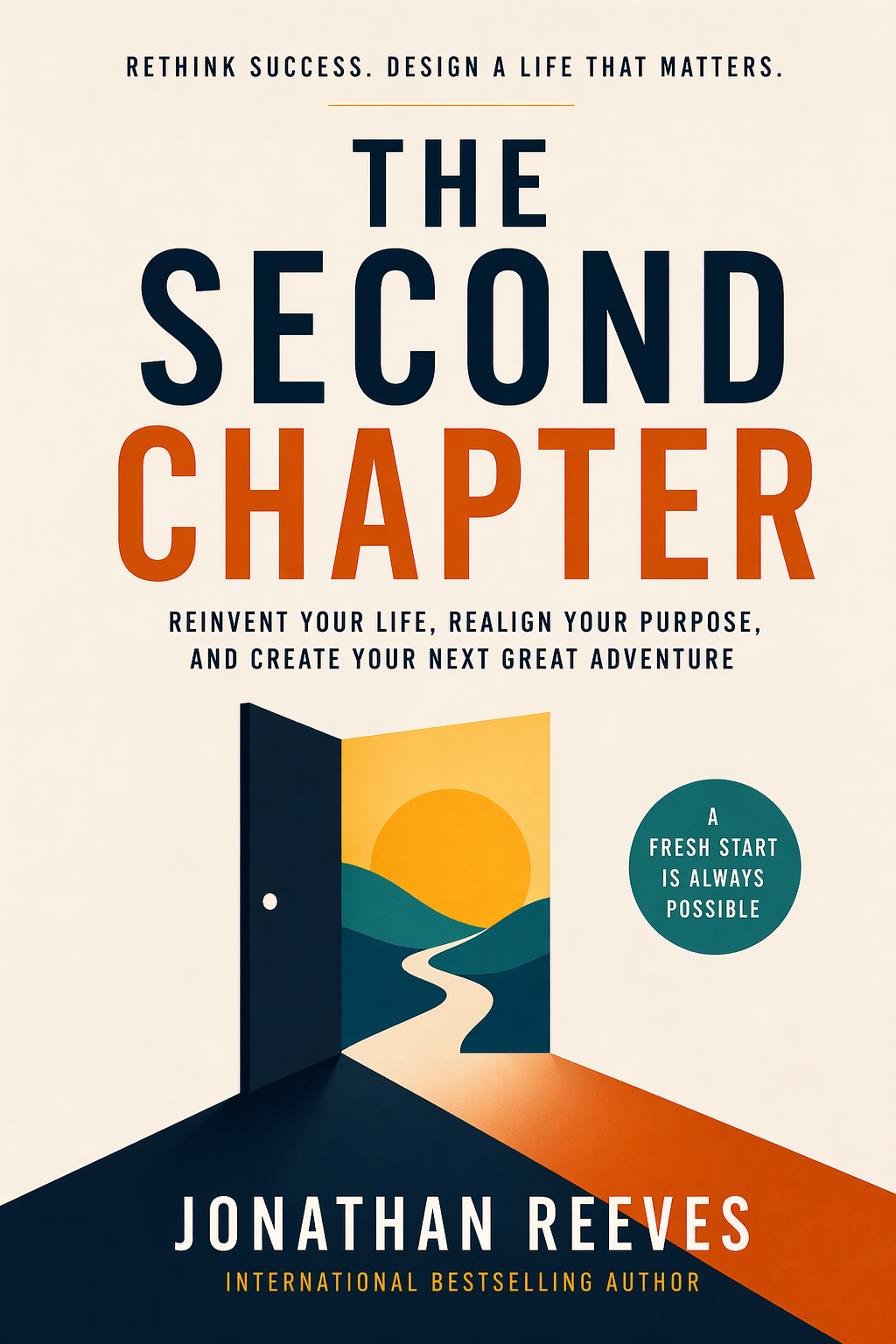
A cover cannot explain every detail of a book, but it can set expectations quickly. Typography, colour, composition, imagery and title hierarchy work together to signal whether a book is a romance, thriller, practical guide, memoir, children’s title or specialist work. If those signals are mismatched, an attractive design may still attract the wrong readers.
Our book cover design services begin with the book’s positioning and production needs. Depending on the scope, we can create a custom concept, refine an existing direction, prepare an ebook front cover, design a full paperback or hardcover wrap, or coordinate related assets such as a series look, audiobook cover or launch graphics. Final deliverables depend on the requested formats and the specifications of the chosen platform or printer.
A print wrap depends on trim size, paper, final page count and printer requirements. Avoid approving the final spine width or print PDF before the interior and production specification are stable.
Before work starts: agree the objective, who approves decisions, what is included, file/account ownership and how success will be assessed.
A cover cannot explain every detail of a book, but it can set expectations quickly.
Typography, colour, composition, imagery and title hierarchy work together to signal whether a book is a romance, thriller, practical guide, memoir, children’s title or specialist work.
If those signals are mismatched, an attractive design may still attract the wrong readers.
Different books and authors need different kinds of support. These are common starting points, not eligibility rules.
You need a professional cover and correctly prepared files without a large in-house publishing team.
You want cover language that signals genre, subgenre, tone and series positioning while still giving your title its own identity.
Leadership & LegacyYou need the promise, subject and professional tone to read clearly at thumbnail size and on a printed cover.
Thought LeadershipYou need a design system that can be adapted thoughtfully to ebook, print, audiobook or different editions.
Expertise & ImpactYou want to update a cover that feels outdated, mis-signals the content or does not work well in current sales contexts.
Story & LegacyProvide the synopsis, genre, intended reader, title/subtitle, author name, comparable covers you believe reach the right audience, visual directions to avoid, and the formats you plan to release. Comparables should guide market understanding, not be copied.
Knowledge & InfluenceDifferentbooks andauthors need different kinds of support.
Explore Your book cover design Path ↗The scope can be a standalone ebook front or a coordinated package. Each format has different practical requirements and should be specified before final artwork is exported.
Translate the synopsis, genre, reader profile, tone and differentiators into a design brief. Review comparable titles for patterns and whitespace while avoiding imitation or trademark confusion.
Develop one or more agreed directions around imagery, typography, composition, colour and title hierarchy. The number of concepts and rounds is stated in the scope.
Evaluate title legibility, author-name hierarchy, contrast and focal point at small sizes. A beautiful detail that disappears in a thumbnail may not do its job.
Prepare the front image for the intended ebook platform and display context, with resolution, proportions and file type checked against current specifications.
Create front, spine and back-cover artwork from the final production dimensions. Barcode area, bleed, safe zones, paper and page count are confirmed using the printer’s specifications.
Where included, create a repeatable visual system for a series or adapt the design to audiobook or promotional assets without assuming every channel uses the same dimensions.
Not every project needs every component. The proposal should identify prerequisites, included outputs, excluded costs and the next decision the work is meant to make easier.
The scope can be a standalone ebook front or a coordinated package.
Each format has different practical requirements and should be specified before final artwork is exported.
Translate the synopsis, genre, reader profile, tone and differentiators into a design brief.
Review comparable titles for patterns and whitespace while avoiding imitation or trademark confusion.
Develop one or more agreed directions around imagery, typography, composition, colour and title hierarchy.
The number of concepts and rounds is stated in the scope.
Evaluate title legibility, author-name hierarchy, contrast and focal point at small sizes.
A beautiful detail that disappears in a thumbnail may not do its job.
Prepare the front image for the intended ebook platform and display context, with resolution, proportions and file type checked against current specifications.
Create front, spine and back-cover artwork from the final production dimensions.
Barcode area, bleed, safe zones, paper and page count are confirmed using the printer’s specifications.
Where included, create a repeatable visual system for a series or adapt the design to audiobook or promotional assets without assuming every channel uses the same dimensions.
Not every project needs every component.
The schedule depends on concept complexity, the completeness of the brief, author feedback and whether print specifications are final. We agree concept and revision checkpoints before design work begins.
Provide the synopsis, title, author name, genre, audience, format plan, final copy and visual references.
A design brief, asset checklist and list of unresolved decisions.
Agree the intended genre signals, visual boundaries, reference points and concept count.
A defined design direction before detailed production.
Review the agreed concept(s) and explain the design logic and compromises.
A chosen concept with consolidated author feedback.
Apply feedback within the agreed number of rounds and confirm title, subtitle, author name and other cover copy.
An approved front-cover direction ready for final format work.
Book a Consultation ↗The working model is designed to make the decisions, responsibilities and limits of the engagement understandable before the project begins.
A cover should stand out while remaining honest about the subject, tone, genre and intended reader.
The title, subtitle and author name are considered according to the book, audience and display context.
Study market patterns without tracing, copying or closely imitating another author’s artwork.
Ebook and print files need different preparation. Print wrap dimensions must come from the actual printer and final interior specs.
Stock photography, illustration, fonts and any contributed artwork must be covered by appropriate usage terms for the intended release.
Consolidated feedback, clear revision limits and approval points prevent endless subjective changes and protect the schedule.
The working model is designed to make the decisions, responsibilities and limits of the engagement understandable before the project begins.
A cover should stand out while remaining honest about the subject, tone, genre and intended reader.
THE WEB PUBLISH ELITE HUB STANDARDThe final brief should list the selected concepts, rounds, formats and file handover. Possible deliverables include:
Genre, audience, positioning, tone, visual references, must-haves and must-avoid notes.
The agreed number of concepts with rationale for composition, type, colour and imagery.
Refined cover design based on one consolidated set of author feedback per agreed round.
Final front image exported in the format and dimensions needed for the selected platform.
Front, spine and back cover based on confirmed trim size, paper, page count, bleed and printer template.
Placement of supplied blurb, author bio, endorsements and barcode-safe area if included; copywriting is a separate scope unless stated.
Adaptations for later volumes, revised editions or additional formats where included.
Social or launch graphics based on the approved artwork if specified in the proposal.
Named final files, included file types, asset licence notes and clarity on editable source files.
Usually excluded unless explicitly quoted: full manuscript editing, illustration beyond the agreed concept, unlimited revisions, copywriting, ISBN purchase, printer fees, physical proofs, marketing assets for every platform or editable source files.
The final brief should list the selected concepts, rounds, formats and file handover.
Genre, audience, positioning, tone, visual references, must-haves and must-avoid notes.
The agreed number of concepts with rationale for composition, type, colour and imagery.
Refined cover design based on one consolidated set of author feedback per agreed round.
These fictional briefs demonstrate the kinds of choices a designer may solve. They are not examples of completed customer work and do not imply performance results.
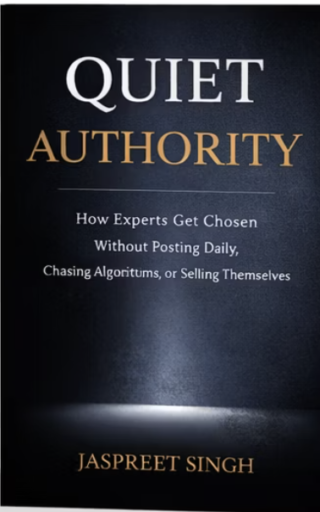
Illustrative brief · Nonfiction
 ↗
Situation: The book needs to feel credible to executives and consultants, but the title must remain readable when shown as a small retailer thumbnail.
↗ Possible approach: A direction could use disciplined typography, a clear focal point and restrained visual language while ensuring the design does not look like a generic corporate report.
 ↗
Illustrative brief · Fiction
 ↗
Situation: The author wants tension and a distinct setting without giving away the twist or making the book look like a different subgenre.
Possible approach: The concept exploration could test contrast, visual focus and genre cues against relevant comparables while keeping the title legible and the artwork original.
Explore Full Portfolio ↗We define useful signals before work begins and report what is known, what remains uncertain and what decision the evidence supports.
The visual language helps likely readers understand the book’s genre, subject or tone without promising content the book does not deliver.
Title and author-name hierarchy are tested at thumbnail scale as well as full size.
Cover copy, typography, imagery and category expectations work together rather than compete.
Correct file dimensions and print specifications reduce preventable upload and proofing problems.
Where scoped, series or edition rules make future covers feel related without making every title identical.
You know which final exports, licensed assets and source files you have received and what usage is permitted.
These are scope frameworks without public prices. The quote depends on concept complexity, illustration needs, formats, source-file requirements, number of concepts and revision rounds.
For authors who need a professional front cover for a digital release.
{esc(fit.split(":",1)[0])}: {esc(fit.split(":",1)[1] if ":" in fit else fit)}
For authors preparing paperback or hardcover production.
{esc(fit.split(":",1)[0])}: {esc(fit.split(":",1)[1] if ":" in fit else fit)}
For authors coordinating several editions or related books.
{esc(fit.split(":",1)[0])}: {esc(fit.split(":",1)[1] if ":" in fit else fit)}
Before design begins, confirm whether copywriting, illustration, licensed stock, editable source files, print-proof changes or later title/format versions are included. New concepts after approval may require a revised scope.
These are scope frameworks without public prices.
The quote depends on concept complexity, illustration needs, formats, source-file requirements, number of concepts and revision rounds.
Each route may be appropriate for a different budget and book. Check licensing, originality, genre understanding, revision process and production deliverables before choosing.
Decision rule: choose the route that solves the biggest current constraint, fits the available budget and leaves responsibilities clear. A bigger package is not automatically the better package.
Each route may be appropriate for a different budget and book.
Check licensing, originality, genre understanding, revision process and production deliverables before choosing.
| Route | May suit you when… | Check before choosing | DIY design tool |
|---|---|---|---|
| Useful for low-riskexperiments or authors with design experience and appropriatelicensed assets. | You are responsible for typography, genre fit, licensing, technical export and evaluating the cover objectively. | Can be efficient when the design fits the book and the licence is exclusive or appropriate for the intended use. | Check whether the design is sold to multiple authors, which edits are included and what rights transfer. |
| Useful when a specificconcept, niche genre, unusual format or seriessystem needs bespoke attention. | The brief, concept count, revision rounds, file types and rights need to be clear in writing. | Helpful when the cover must coordinate with editing, final page count, formatting and launch assets. | The benefit is coordination; verify that design quality and deliverables are defined rather than bundled vaguely. |
| Each route maybe appropriate for a differentbudget and book | Decision rule | Each route may be appropriate for a different budget and book | Decision rule |
| Each route maybe appropriate for a different budgetand book | Decision rule | Each route may be appropriate for a different budget and book | Decision rule |
| Each route maybe appropriate for a different budgetand book | Decision rule | Each route may be appropriate for a different budget and book | Decision rule |
| Each route maybe appropriate for a different budgetand book | Decision rule | Each route may be appropriate for a different budget and book | Decision rule |
| Each route may beappropriate for a differentbudget and book | Decision rule | Each route may be appropriate for a different budget and book | Decision rule |
| Each route maybe appropriate for a differentbudget and book | Decision rule | Each route may be appropriate for a different budget and book | Decision rule |
| Each route maybe appropriate for a different budgetand book | Decision rule | Each route may be appropriate for a different budget and book | Decision rule |
| Each route maybe appropriate for a differentbudget and book | Decision rule | Each route may be appropriate for a different budget and book | Decision rule |
| Each route maybe appropriate for a differentbudget and book | Decision rule | Each route may be appropriate for a different budget and book | Decision rule |
| Each route maybe appropriate for a different budgetand book | Decision rule | Each route may be appropriate for a different budget and book | Decision rule |
Decision rule: choose the route that solves the biggest current constraint, fits the available budget and leaves responsibilities clear.
A bigger package is not automatically the better package.
Useful for low-risk experiments or authors with design experience and appropriate licensed assets.
You are responsible for typography, genre fit, licensing, technical export and evaluating the cover objectively.
Can be efficient when the design fits the book and the licence is exclusive or appropriate for the intended use.
Explore practical guides, publishing insights, author strategies, and expert resources to help you make better decisions throughout the process of writing, publishing, marketing, and growing your book.


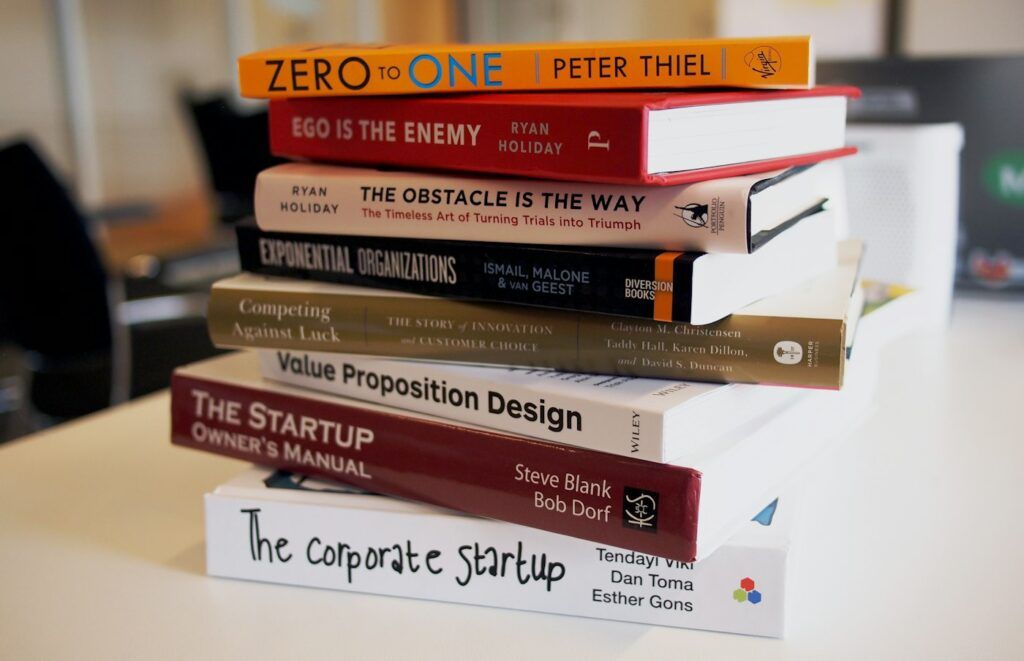


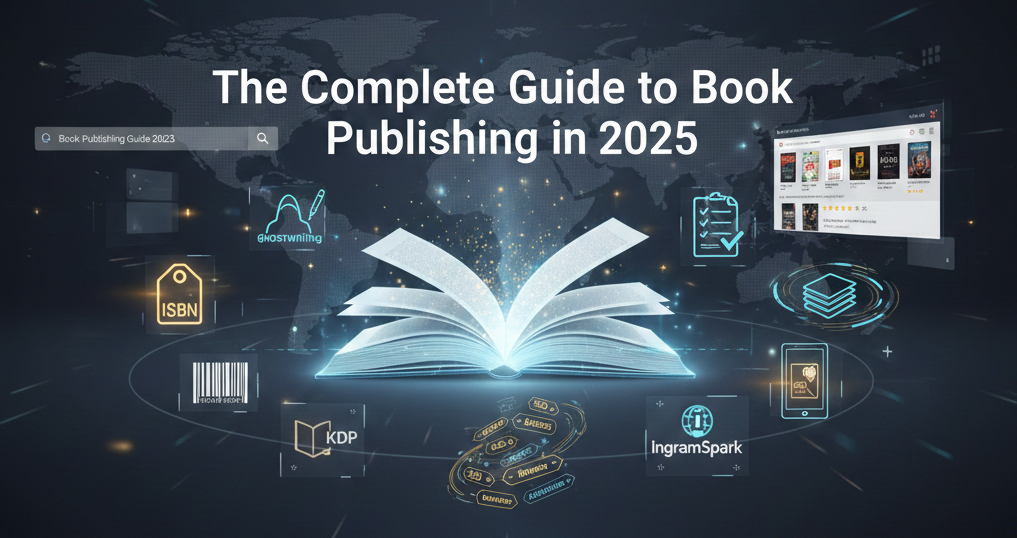
Looking for something specific? Explore the complete collection of publishing guides and resources.
Explore All Articles ↗Clear answers to common service questions. If a project has unusual requirements, confirm them in the written scope before approving the work.
Depending on the scope, services can include a creative brief, concept development, typography and imagery, ebook front cover, paperback or hardcover wrap, revision rounds and final production files. Always confirm the formats and source files included.
Price depends on concept complexity, illustration, genre, the number of formats, revision rounds, licence terms and whether source files are included. Compare like-for-like deliverables rather than relying on one headline price.
Ask a question ↗Usually the design may share a concept, but the files are different. An ebook generally uses a front cover image, while print can require a full wrap with spine and back cover based on the final page count and printer specifications.
It should communicate the book’s category and promise, make the title easy to read, fit the intended audience and remain clear at the sizes where readers first see it. It should stand out without misleading readers or copying another cover.
There is no universal standard. The proposal should state the concept count, what counts as a revision, how feedback is submitted and how work outside the included rounds is handled.
Yes. Reference covers help communicate tone, genre and preferences. The designer should use them to understand the brief, not recreate a competitor’s protected artwork or distinctive composition.
The agreement should explain usage rights and ownership of the final design, as well as licences for stock imagery, fonts or illustrations. An editable source file is not automatically included in every design package.
Usually title, subtitle, author name, synopsis, genre, target reader, comparable titles, design preferences, copy for the back cover if relevant and the planned formats. For print, final production specs are essential.
A concept can begin earlier, but final spine width and print-wrap dimensions depend on the final interior page count, trim size, paper and printer template. Final production files should use confirmed specs.
Yes. A refresh can address outdated typography, poor thumbnail readability, category mismatch, an edition change or a series inconsistency. The brief should clarify which parts need to remain and whether existing assets can legally be reused.
No. Cover quality is one factor in the buying decision, alongside title, description, price, reviews, audience fit, distribution and traffic quality. A design should be judged for clarity and fit, not promised sales.
Genre familiarity matters. Share the precise category and intended reader so scope can be assessed honestly. Some highly specialized, illustrated or technically complex projects may require a specialist illustrator or designer.
Share the book title or working title, format, genre, publication status, target audience, timing and what you have already tried. You do not need a perfect brief; a clear snapshot is enough to start a useful conversation.
Clear answers to common service questions.
Design coordination is remote. Final file preparation is based on the chosen platform or printer’s specifications, not on an assumption that one export works for every country or distributor.
Ebookand printcover files forprojects targetingUS retailers or printers.
Cover work is strongest when it reflects a stable manuscript and sits within a coherent publishing and reader-discovery plan.
Stabilize the manuscript before final design.
Explore Service ↗Explore book editing services ↗
Explore Service ↗Coordinate the interior layout and print specifications.
Explore Service ↗Explore book formatting services ↗
Explore Service ↗Coordinate the author-led production checklist.
Explore Service ↗Explore self-publishing services ↗
Explore Service ↗Plan the broader production and release journey.
Explore Service ↗Explore book publishing services ↗
Explore Service ↗Share your synopsis, genre, current cover if any, planned formats and the books your audience already recognizes. We can define the right design scope and the production details needed for final files.
A first conversation is for clarifying fit and scope. Any proposal should set out the deliverables, responsibilities, costs, assumptions and exclusions before work begins.