
01
Scope that fits the project
Make assumptions, open questions and source gaps visible during drafting.
Many authors understand what they want a book to say but struggle to turn ideas, notes, interviews or research into a coherent manuscript. Manuscript writing support brings structure to that work: clarify the book’s purpose, organize source material, agree the author’s voice and develop chapters through an explicit review process.
Use an approved outline and source plan to keep chapters coherent and on-brief.
Make assumptions, open questions and source gaps visible during drafting.
Set milestones and review limits so the author can make informed decisions.
Writing support cannot responsibly fabricate personal experiences, interviews, citations, credentials, research findings or expert claims.
Writing support cannot responsibly fabricate personal experiences, interviews, citations, credentials, research findings or expert claims.
Manuscript writing services help develop a book-length draft from an agreed concept, outline and author-provided knowledge or source material. The precise service may range from collaborative drafting to a separately contracted ghostwriting arrangement.
The right process depends on what you already have. A structured outline with interviews and source notes needs a different workflow from a collection of essays, a rough first draft or a set of voice memos. The first stage should discover gaps and identify the decisions only the author can make.
Writing a book is also a design problem. Chapters need to contribute to a clear central promise, move in an intentional order and avoid repeating the same point. A working outline, chapter briefs, style notes and a small sample can help establish pace and voice before the whole project is drafted.
For nonfiction, source handling is essential. Claims, quotations, statistics and specialist explanations should be traceable to approved materials; fact-checking and citation formatting must be included explicitly. For memoir or narrative work, the author should review the accuracy and consent implications of personal details. The writer should not fill gaps with invented scenes or statements presented as true.
Manuscript writing services help develop a book-length draft from an agreed concept, outline and author-provided knowledge or source material.
The precise service may range from collaborative drafting to a separately contracted ghostwriting arrangement.
The right process depends on what you already have.
You have knowledge and examples but need a structured way to turn them into reader-focused chapters.
You need material organized into an argument, narrative arc or practical book structure.
You want to diagnose the existing draft and establish a realistic completion plan.
Leadership & LegacyYou need written agreements about credit, confidentiality, ownership, reviews and who approves the final manuscript.
Thought LeadershipThe service is not a fit when the author cannot provide the necessary facts, approval, permissions or expert input. A responsible writer should raise missing material rather than guess.
Expertise & ImpactYou have knowledge and examples but need a structured way to turn them into reader-focused chapters.
Story & LegacyYou need material organized into an argument, narrative arc or practical book structure.
Knowledge & InfluenceYou wantto diagnosethe existing draft and establish a realistic completion plan.
Explore Your manuscript writing Path ↗Clarify the book’s promise, intended audience, purpose, genre and what it will not attempt to cover.
Plan progression, chapter goals, examples, transitions and the relationship between sections.
Organize provided research and interviews, track open questions and document citations where required.
Agree tone, vocabulary, point of view, level of detail and preferred use of examples before scaling up.
Draft agreed sections in checkpoints so author feedback can guide the next stage.
Apply agreed revisions, resolve comments, document open issues and hand over editable files.
Research, interviews, transcription, specialist fact-checking, permissions, citations, illustration, editing, indexing and proposal writing are separate unless written into the scope.
Clarify the book’s promise, intended audience, purpose, genre and what it will not attempt to cover.
Plan progression, chapter goals, examples, transitions and the relationship between sections.
Organize provided research and interviews, track open questions and document citations where required.
Agree tone, vocabulary, point of view, level of detail and preferred use of examples before scaling up.
Draft agreed sections in checkpoints so author feedback can guide the next stage.
Apply agreed revisions, resolve comments, document open issues and hand over editable files.
Research, interviews, transcription, specialist fact-checking, permissions, citations, illustration, editing, indexing and proposal writing are separate unless written into the scope.
Many authors understand what they want a book to say but struggle to turn ideas, notes, interviews or research into a coherent manuscript.
Manuscript writing support brings structure to that work: clarify the book’s purpose, organize source material, agree the author’s voice and develop chapters through an explicit review process.
Create a chapter architecture that matches the book’s purpose and reader promise.
Build drafts from interviews, notes, research and author decisions—not invented expertise or unsupported facts.
Use checkpoints so the argument, examples, voice and final decisions stay with the author.
Define whether the work is collaborative writing, ghostwriting, interview-based drafting or editorial development.
Authorship, attribution, rights, confidentiality, citations and AI/tool use should be agreed before drafting.
A transparent manuscript workflow reduces expensive rework by getting the plan and sample right before the complete draft is written.
Schedule, chapter count, total length and review rounds should be agreed in writing. New research or major changes to the outline can change scope and timing.
A transparent manuscript workflow reduces expensive rework by getting the plan and sample right before the complete draft is written.
Schedule, chapter count, total length and review rounds should be agreed in writing.
New research or major changes to the outline can change scope and timing.
Examine the concept, existing pages, notes, source material, target length and author goals.
Define roles, credit or ghostwriting terms, ownership, confidentiality, citations, revision rounds and approval rights.
Agree the chapter sequence and develop a sample section to test direction and voice.
Write agreed sections and share them in manageable batches for focused author review.
Book a Consultation ↗Use an approved outline and source plan to keep chapters coherent and on-brief.
Make assumptions, open questions and source gaps visible during drafting.
Set milestones and review limits so the author can make informed decisions.
Writing support cannot responsibly fabricate personal experiences, interviews, citations, credentials, research findings or expert claims.
The value is not simply the number of words produced. It is a workable manuscript architecture, accountable source use, a clear review rhythm and author control over meaning.
Use an approved outline and source plan to keep chapters coherent and on-brief.
Make assumptions, open questions and source gaps visible during drafting.
Set milestones and review limits so the author can make informed decisions.
Writing support cannot responsibly fabricate personal experiences, interviews, citations, credentials, research findings or expert claims.
THE WEB PUBLISH ELITE HUB STANDARDSpecify whether the quote includes original research, interviews, transcription, citations, substantive editing, proofreading, cover/design, publishing or marketing. These tasks are not interchangeable.
Specify whether the quote includes original research, interviews, transcription, citations, substantive editing, proofreading, cover/design, publishing or marketing.
These tasks are not interchangeable.
A project brief with audience, purpose and agreed responsibilities.
A chapter outline and chapter-level objectives.
A sample chapter or section to establish voice and expectations.
Draft chapters delivered at agreed milestones.
A comment and query log for missing facts or author decisions.
Agreed revision rounds and an editable manuscript handover.
A list of open citations, permissions or fact-checking items when relevant.
Many authors understand what they want a book to say but struggle to turn ideas, notes, interviews or research into a coherent manuscript.
Manuscript writing support brings structure to that work: clarify the book’s purpose, organize source material, agree the author’s voice and develop chapters through an explicit review process.
Create a chapter architecture that matches the book’s purpose and reader promise.
Build drafts from interviews, notes, research and author decisions—not invented expertise or unsupported facts.
Use checkpoints so the argument, examples, voice and final decisions stay with the author.
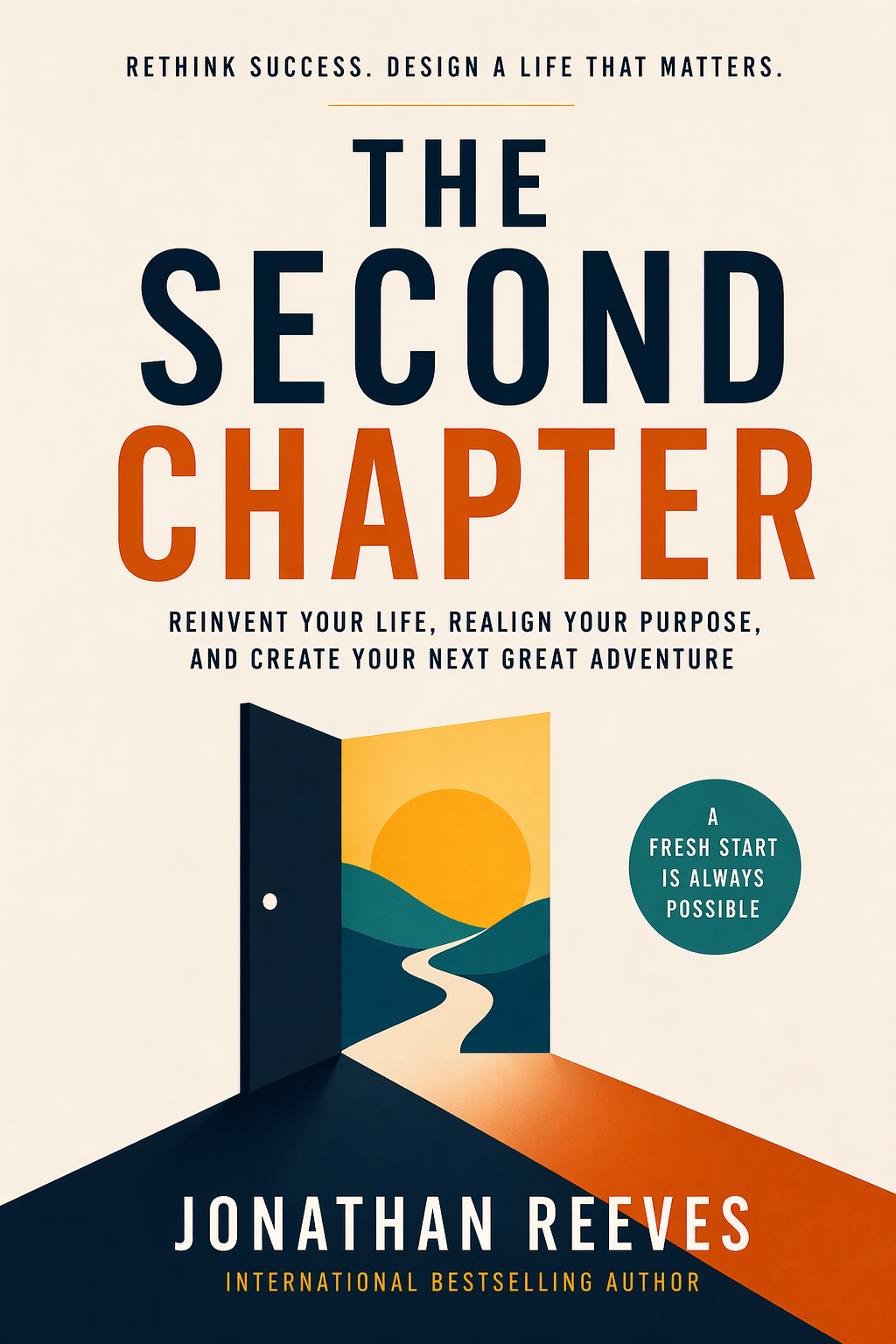
The following are illustrative project patterns, not claims about completed client assignments.
Organize recurring ideas into a practical framework and draft chapters after validating the author’s method and examples.
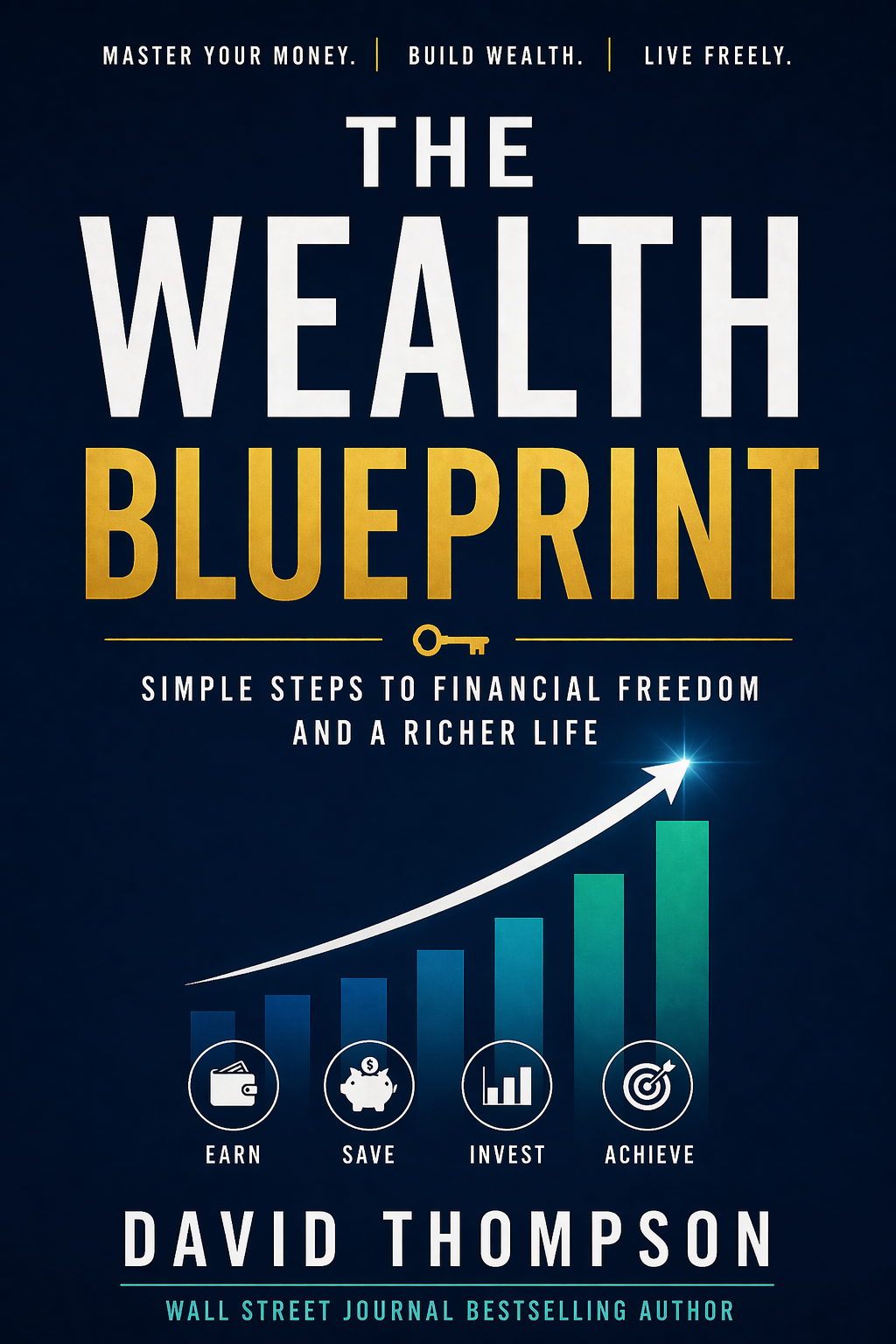
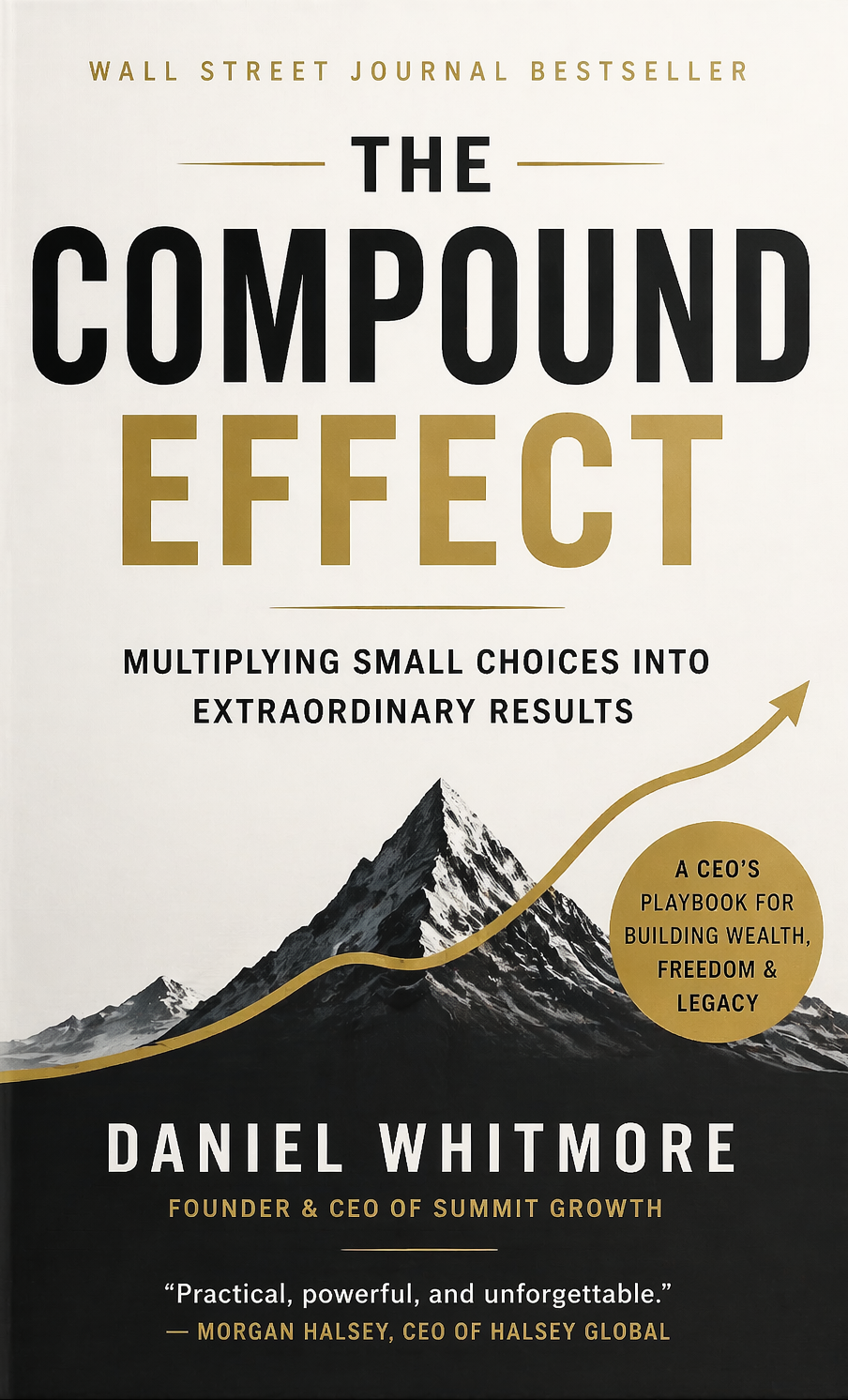 ↗
Create a timeline and narrative outline, flag uncertain details, and develop scenes only from the author’s confirmed recollection and permitted sources.
↗ Break the topic into reader-sized chapters, define source requirements and create a sample before producing the full draft.
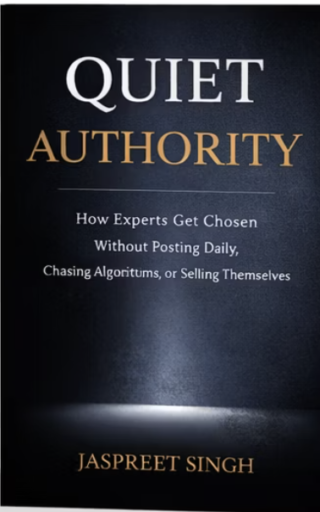 ↗
Important: These are illustrative project scenarios, not claims about completed client projects or guaranteed results. Replace them with verified work samples and permissioned testimonials if available.
 ↗
The following are illustrative project patterns, not claims about completed client assignments.
Organize recurring ideas into a practical framework and draft chapters after validating the author’s method and examples.
Explore Full Portfolio ↗The goal is a coherent manuscript that reflects the agreed concept and can move into review, editing or another appropriate stage with its unresolved questions visible.
The author remains responsible for final approval, factual accuracy, permissions and the book’s claims. Publication and sales are not guaranteed by manuscript completion.
The goal is a coherent manuscript that reflects the agreed concept and can move into review, editing or another appropriate stage with its unresolved questions visible.
The author remains responsible for final approval, factual accuracy, permissions and the book’s claims.
Publication and sales are not guaranteed by manuscript completion.
A consistent structure and chapter progression.
Clearer links between the reader promise and chapter content.
Choose a scope based on how much material exists and who will provide research, interviews, expertise and approvals.
Develop chapter architecture and a defined sample section for review. Scope: Outline, sample and decision list before full drafting.
Draft agreed chapters from author-supplied expertise, interviews and source materials. Scope: Milestone drafts with stated revision rounds.
Plan, draft and revise a defined manuscript with source, interview and approval responsibilities documented. Scope: Milestone schedule, agreed chapters and editable manuscript handover.
The actual quote should define word-count range, research responsibility, interviews, fact-checking, citation style, credit/ghostwriting terms, revisions and confidentiality. No outcome or publication deal is guaranteed.
Choose a scope based on how much material exists and who will provide research, interviews, expertise and approvals.
Develop chapter architecture and a defined sample section for review.
Scope: Outline, sample and decision list before full drafting.
Draft agreed chapters from author-supplied expertise, interviews and source materials.
Scope: Milestone drafts with stated revision rounds.
Creates or develops draft text in collaboration with the author and agreed source material. Choose this when: You need substantial drafting and want roles defined clearly.
A behind-the-scenes writing arrangement governed by specific credit, confidentiality and rights terms. Choose this when: You want the writer’s contribution handled under an agreed ghostwriting contract.
Improves existing text for structure, clarity, style, consistency or mechanics. Choose this when: You already have a draft and primarily need editorial work rather than new chapters.
Labels are used differently by providers. Confirm deliverables, attribution, rights and how much original drafting is included before signing.
| Comparison point | Self-managed | Specialist support | Coordinated service |
|---|---|---|---|
| Manuscriptwritingsupport | Ghostwriting | Editing | Manuscript writing support |
| Ghostwriting | Editing | Manuscript writing support | Ghostwriting |
| Editing | Manuscript writing support | Ghostwriting | Editing |
| Manuscriptwritingsupport | Ghostwriting | Editing | Manuscript writing support |
| Ghostwriting | Editing | Manuscript writing support | Ghostwriting |
| Editing | Manuscript writing support | Ghostwriting | Editing |
| Manuscriptwritingsupport | Ghostwriting | Editing | Manuscript writing support |
| Ghostwriting | Editing | Manuscript writing support | Ghostwriting |
| Editing | Manuscript writing support | Ghostwriting | Editing |
| Manuscriptwritingsupport | Ghostwriting | Editing | Manuscript writing support |
| Ghostwriting | Editing | Manuscript writing support | Ghostwriting |
| Editing | Manuscript writing support | Ghostwriting | Editing |
Creates or develops draft text in collaboration with the author and agreed source material.
Choose this when: You need substantial drafting and want roles defined clearly.
A behind-the-scenes writing arrangement governed by specific credit, confidentiality and rights terms.
Choose this when: You want the writer’s contribution handled under an agreed ghostwriting contract.
Improves existing text for structure, clarity, style, consistency or mechanics.
Explore practical guides, publishing insights, author strategies, and expert resources to help you make better decisions throughout the process of writing, publishing, marketing, and growing your book.





Looking for something specific? Explore the complete collection of publishing guides and resources.
Explore All Articles ↗Often, if the notes are sufficiently detailed and you can answer questions about missing facts. A discovery and sample stage can reveal what else is needed.
No, but a clear concept and collaborative outlining stage are important. A full outline can reduce rework when it has been properly tested.
Manuscript writing is a broad description of drafting support. Ghostwriting describes a particular behind-the-scenes arrangement, especially around credit and attribution. The agreement should define the terms.
Talk to a manuscript writing Expert ↗Ownership and license terms depend on the signed contract and applicable law. Put rights, permitted use, credit and transfer conditions in writing rather than relying on assumptions.
No personal experience, interview, research result, quotation or factual example should be presented as real unless it is verified and authorized. Hypothetical examples should be clearly labelled.
Yes, when the author and participants agree to the process and scope. Define recording, transcription, consent, privacy, accuracy review and how quotations will be approved.
Only when stated in scope. Source gathering, expert verification and citation review require distinct responsibilities and may need subject specialists.
The agreement should specify review rounds, what counts as a revision and how major changes to the approved outline affect the scope.
Yes, after assessing the existing draft, missing sections, tone consistency and whether structural revision is needed before new chapters are drafted.
Many projects then move through developmental or copyediting, proofreading, formatting, cover production, publishing setup and reader discovery. The sequence depends on the manuscript’s readiness.
Often, if the notes are sufficiently detailed and you can answer questions about missing facts.
A discovery and sample stage can reveal what else is needed.
No, but a clear concept and collaborative outlining stage are important.
A full outline can reduce rework when it has been properly tested.
Manuscript writing is a broad description of drafting support.
Collaborative writing can be remote, but time zones, interview consent, language variant and author approval practices should be clarified at the start.
Thisservice is not legaladvice. If a book includes sensitive personalstories, regulated adviceor third-party material, consider appropriate legal or specialist review.
Explore a dedicated behind-the-scenes writing arrangement.
Identify the highest-priority changes in an existing draft.
Explore Service ↗Prepare a submission package for the relevant publishing route.
Explore Service ↗Improve a complete or substantially complete draft.
Explore Service ↗Check the final text after editing.
Explore Service ↗Plan production and release after manuscript approval.
Explore Service ↗Confirm that each destination URL is live before publishing; remove or update links to unpublished pages.
Explore Service ↗Explore a dedicated behind-the-scenes writing arrangement.
Explore Service ↗Identify the highest-priority changes in an existing draft.
Explore Service ↗Share what you have so far—outline, existing chapters, notes, interviews or research—and describe the book you want readers to experience. We can map the next drafting milestone and identify what needs clarification first.
You do not need a perfect brief, but you do need to be able to provide or approve the facts, claims and personal material the book will contain.