
01
Clear scope before production
Confirm what is included, who supplies source material, how approvals work, the number of revisions and what is out of scope.
A strong audiobook is more than a spoken manuscript. It needs a voice suited to the book, clean and consistent recordings, careful editing, technically appropriate masters and a clear plan for rights and distribution.

Good service work makes decisions visible. The aim is to help authors understand the work, take informed decisions and avoid preventable handover problems.
Confirm what is included, who supplies source material, how approvals work, the number of revisions and what is out of scope.
Decisions are based on the intended audience and final publishing use—not on a universal template or generic promise.
Files, decisions, unresolved items and the next production step should be understandable when the project ends.
We separate deliverables we can control from platform decisions, commercial results or external approvals no provider can guarantee.
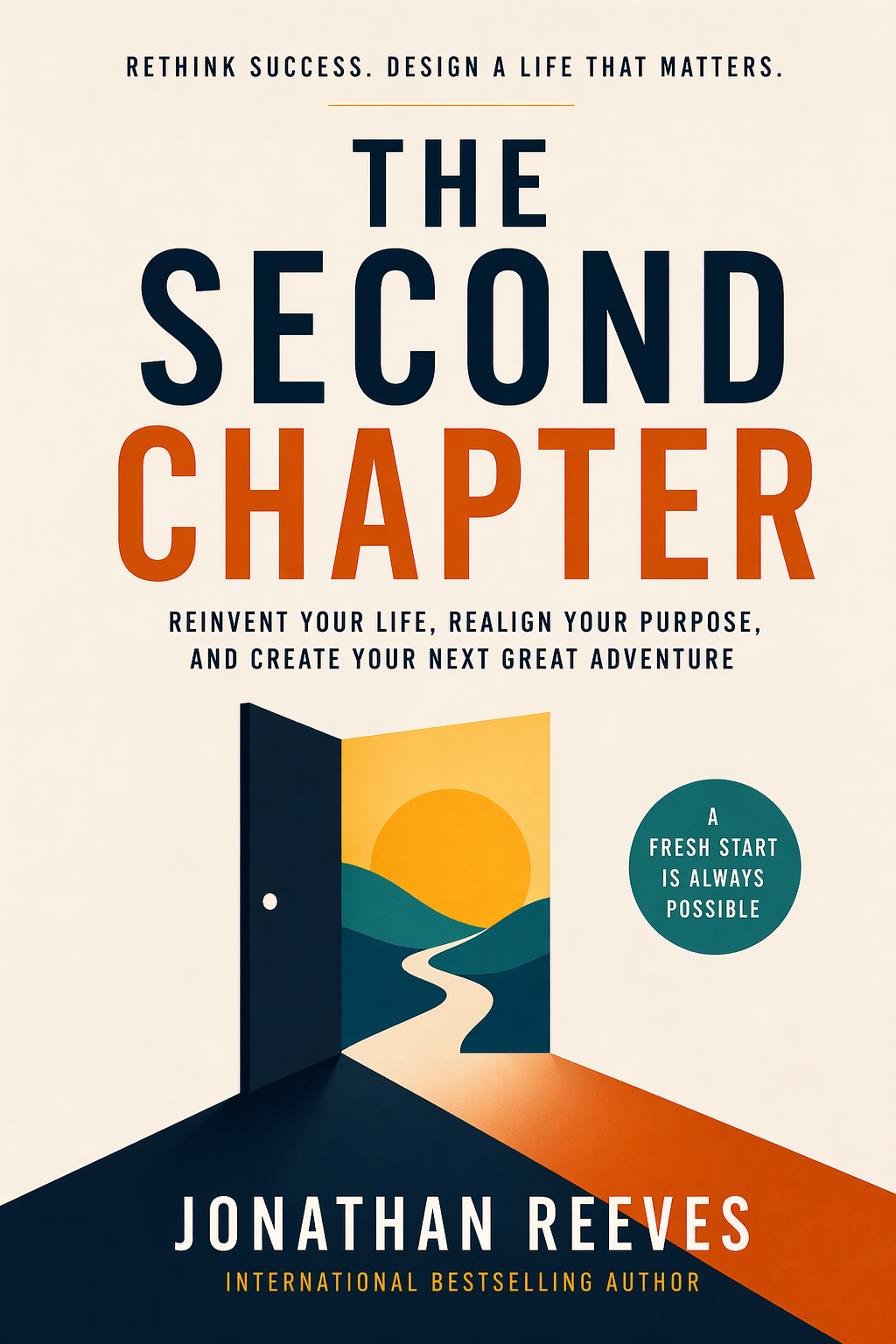
Listeners experience pacing, emphasis, character voices, pronunciation and recording quality in a way print readers do not. A narrator may be technically skilled yet still feel wrong for the tone of a memoir. A technically accurate recording can be tiring if breaths, volume or room noise are inconsistent. Audiobook production should protect the meaning of the text while making the spoken experience comfortable to follow over many listening sessions.
The process typically includes manuscript preparation, narrator selection or author-recording guidance, recording, editing, mastering, quality checks and final file preparation. Distribution may be part of the engagement, but it is a separate decision with its own platform requirements, rights, territories and commercial terms. Some authors want a single finished master; others need help preparing and submitting an edition to selected outlets.
The source text needs to be stable before recording. Last-minute line changes can require pickups and re-editing, while complicated names, acronyms, languages, character dialogue and technical terms should be clarified before narration. A pronunciation guide and style brief can prevent repeated corrections later.
Web Publish Elite Hub can scope a production route based on the manuscript, total length, narrator preference, music or sound-design requirements, quality expectations and planned outlets. Availability, platform acceptance and sales are not guaranteed by production alone. The exact deliverables and responsibilities should be documented before a recording date is booked.
Before planning the recording, confirm audio rights for the manuscript, any third-party quotations or music, and the permission to use the chosen narrator’s performance. Rights and distribution arrangements should be reviewed as part of the contract.
Listeners experience pacing, emphasis, character voices, pronunciation and recording quality in a way print readers do not.
A narrator may be technically skilled yet still feel wrong for the tone of a memoir.
The right audio workflow depends on who is speaking, how complex the manuscript is and where the finished edition is intended to be available.
You already have a stable print or eBook edition and want to make the same work available to listeners. The first step is a text comparison and rights check, followed by narration planning and a decision about distribution.
Your voice may be integral to a memoir, professional guide or personal-development book. Author narration can sound authentic, but it requires preparation, a suitable recording environment, steady delivery and time for retakes.
Leadership & LegacyCharacter distinction, point of view, timing and consistent pronunciations influence the listening experience. The brief should define how dialogue, accents and character changes will be handled without becoming distracting or stereotyped.
Thought LeadershipTraining, educational and professional titles can require technical vocabulary, multiple speakers, charts that do not translate directly to audio and version control. A script adaptation or spoken-description plan may be needed before recording.
Expertise & ImpactThe right audio workflow depends on who is speaking, how complex the manuscript is and where the finished edition is intended to be available.
Story & LegacyYou already have a stable print or eBook edition and want to make the same work available to listeners.
Knowledge & InfluenceThe firststep is atext comparison and rights check, followed by narration planning and a decision about distribution.
Explore Your audiobook production Path ↗Audio is easiest to manage when each stage has an owner and an approval point. Not every book needs the same production level; music, multiple narrators or sound design should be used only when they serve the work.
The script is reviewed for awkward spoken phrasing, pronunciation questions, abbreviations, references to visual material and sections that may confuse listeners. This is not a licence to change meaning without author approval. Any abridgment, adaptation, introduction or conclusion should be agreed in writing.
Narrator fit involves tone, pace, voice character, audience, genre and the ability to sustain the reading over the full title. Short auditions using representative passages help compare options. For multi-character work, the brief should specify whether one narrator or multiple performers are needed.
An author-narrated edition can be compelling when the speaker is prepared and the recording is consistent. Guidance may include room treatment, microphone positioning, recording settings, hydration, pacing, pickup notes and file organization. Remote recording quality depends on the equipment and environment, so test recordings should be reviewed first.
Editing removes mistakes, unwanted interruptions and avoidable distractions while preserving natural performance. The work may include tightening long pauses, selecting retakes, managing breaths and reducing incidental noise. Over-processing can make a narrator sound unnatural, so cleanup should be judged by listening rather than by visual waveforms alone.
Mastering aims for consistent levels and an appropriate listening experience across the title. Technical targets depend on the distribution route and may change, so the final master must be checked against the chosen platform’s current specifications. Quality review also listens for clipped words, edits that sound abrupt and chapter omissions.
Audio files need clear title, author, narrator, language, edition and chapter information. Distribution can involve account eligibility, rights confirmation, territories, pricing and retailer terms. Upload support may be included, but account ownership, platform approval and commercial outcomes remain outside a producer’s control.
Audio is easiest to manage when each stage has an owner and an approval point.
Not every book needs the same production level
music, multiple narrators or sound design should be used only when they serve the work.
The script is reviewed for awkward spoken phrasing, pronunciation questions, abbreviations, references to visual material and sections that may confuse listeners.
This is not a licence to change meaning without author approval.
Any abridgment, adaptation, introduction or conclusion should be agreed in writing.
Narrator fit involves tone, pace, voice character, audience, genre and the ability to sustain the reading over the full title.
Short auditions using representative passages help compare options.
For multi-character work, the brief should specify whether one narrator or multiple performers are needed.
An author-narrated edition can be compelling when the speaker is prepared and the recording is consistent.
Guidance may include room treatment, microphone positioning, recording settings, hydration, pacing, pickup notes and file organization.
Remote recording quality depends on the equipment and environment, so test recordings should be reviewed first.
Editing removes mistakes, unwanted interruptions and avoidable distractions while preserving natural performance.
The work may include tightening long pauses, selecting retakes, managing breaths and reducing incidental noise.
The timeline depends on finished word count, narrator availability, performance choices, pickup needs and the number of files or platforms. It should include review points before final mastering and release.
We verify that the author can authorize audio production and identify intended platforms or distribution approach. Voice, music, third-party text, translation and other permissions are considered before assets are commissioned.
The manuscript is checked for spoken clarity and potentially difficult passages. The author confirms names, terminology, abbreviations, character notes, credits and whether any text is adapted or abridged.
Narrators provide representative samples or the author records a test passage. The team assesses tone, pacing, sound quality and suitability before committing to the whole book.
Recording proceeds by chapters or agreed blocks. The workflow tracks completed sections, pickup requests, file naming and author approvals to reduce missing passages and version confusion.
Performance edits are completed, chapters are checked for continuity and audio levels are brought into the agreed technical range. Re-records and text changes are tracked so the final version can be verified.
Final files are listened to and checked against the approved script, chapter map and target requirements. The handover identifies deliverables, metadata, outstanding actions and whether distribution submission is included.
The timeline depends on finished word count, narrator availability, performance choices, pickup needs and the number of files or platforms.
It should include review points before final mastering and release.
Book a Consultation ↗The working model is designed to make decisions, responsibilities and limits understandable before the project begins.
The voice should suit the author’s identity, text, audience and genre. Short audition passages reveal pacing, pronunciation and tone before the full recording commitment.
Volume, tone, room sound and pacing should feel coherent from chapter to chapter. Editing seeks to remove distractions without stripping away natural performance.
An audio adaptation can require decisions about tables, footnotes or visual cues. These choices should be approved and recorded rather than improvised inconsistently during editing.
The author should understand rights to the recording, narrator performance, music, scripts and distribution. Production costs alone do not determine who may distribute the audiobook or in which territories.
The final audio is prepared for the chosen route. Different outlets can request different file structures or metadata; no single checklist guarantees acceptance everywhere.
Files should be named and organized so the author can tell which masters are final, what metadata belongs with them and whether uploads or account setup remain to be done.
The working model is designed to make decisions, responsibilities and limits understandable before the project begins.
The voice should suit the author’s identity, text, audience and genre.
THE WEB PUBLISH ELITE HUB STANDARDThe final scope should list the files, reviews, inputs and responsibilities that apply to your specific project. The examples below are common deliverables; not every item is automatically included.
The manuscript version to be narrated, with agreed pronunciation notes, credits, adaptations and decisions about visual references.
Representative audio used to approve voice, pace and recording quality before full production.
Files at the agreed stage. Raw sessions, edited chapters and final masters are different deliverables and should be distinguished in the scope.
A log of missing lines, pronunciation corrections or performance changes requested during review.
Final audio delivered in the format and chapter structure agreed for the target platform or use case.
A chapter inventory and check for sequence, omissions, abrupt edits, clipping, unwanted noise and consistency.
A list of information and artwork needed for the chosen outlet, with cover design handled separately unless included.
Submission support or instructions if included, with account ownership, territories, rights, pricing and platform approval responsibilities clearly stated.
The final scope should list the files, reviews, inputs and responsibilities that apply to your specific project.
The examples below are common deliverables
not every item is automatically included.
The manuscript version to be narrated, with agreed pronunciation notes, credits, adaptations and decisions about visual references.
Representative audio used to approve voice, pace and recording quality before full production.
Raw sessions, edited chapters and final masters are different deliverables and should be distinguished in the scope.
These fictional examples illustrate how an audio brief changes across genres and recording methods. They are not claims about completed titles or distribution outcomes.
The author’s personal voice is central to the book. A sample recording can test room noise, pacing and listener comfort; the production plan can then specify coaching, chapter sessions, pickup windows and audio cleanup.
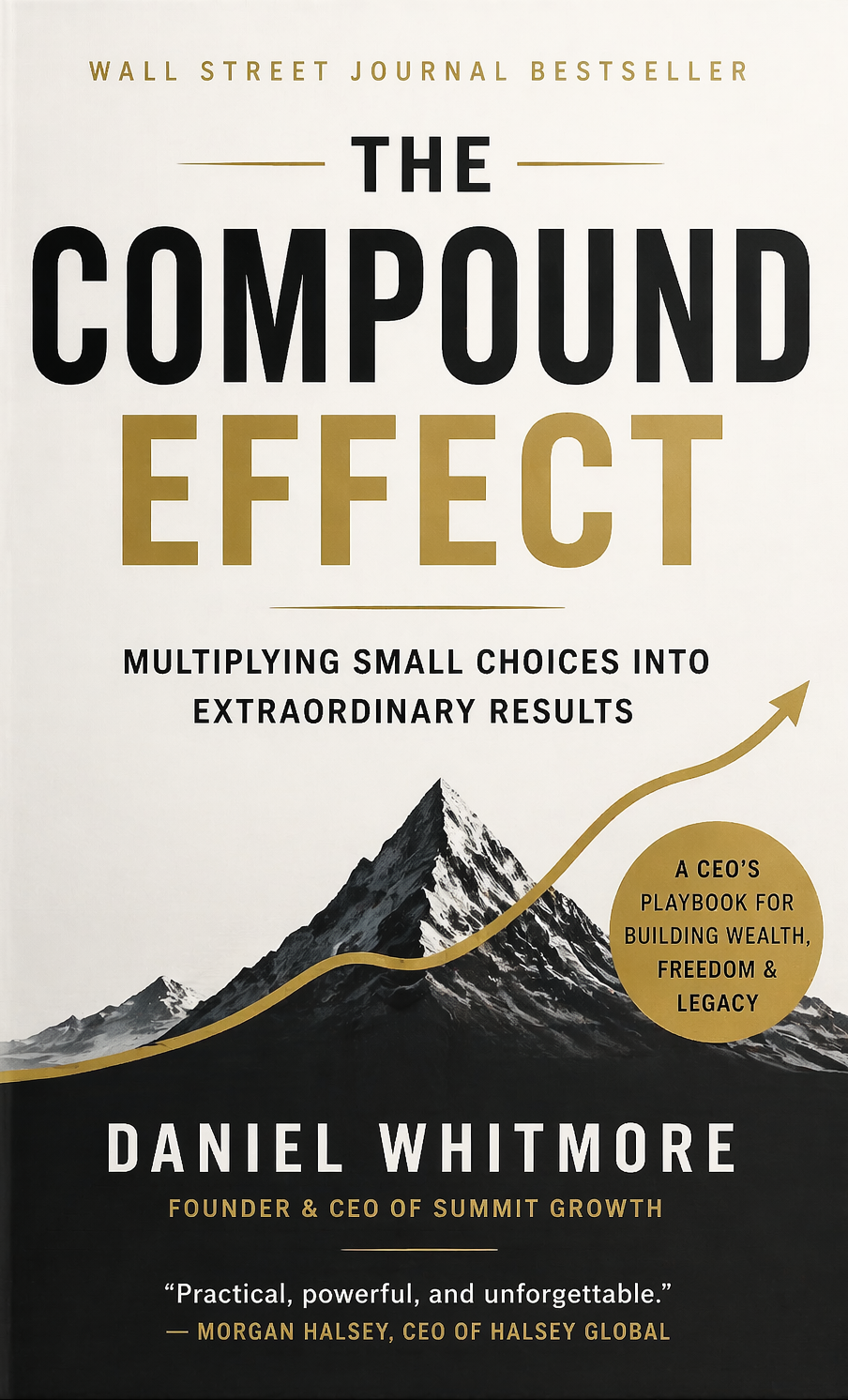 ↗
A single narrator may use differentiated character voices, or the scope may consider multiple performers if appropriate. The project brief sets pronunciation, character cues, scene transitions and any accents without relying on caricature.
↗ A glossary and pronunciation guide help maintain consistent handling of specialized terms. Visual elements such as charts or tables need an approved spoken explanation or an accompanying reference, rather than unexplained phrases such as “as shown here.”
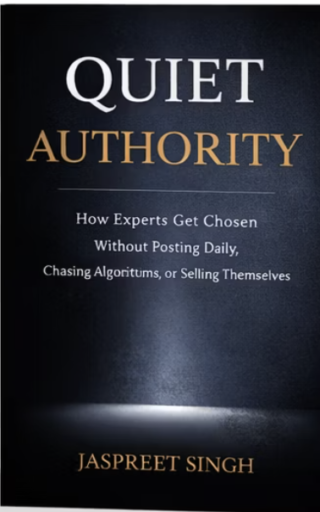 ↗
Important: These are illustrative scenarios, not testimonials, portfolio claims or statements that any particular outcome has already occurred.
 ↗
These fictional examples illustrate how an audio brief changes across genres and recording methods.
They are not claims about completed titles or distribution outcomes.
Explore Full Portfolio ↗A polished file is not the same as a commercial success. Evaluate the controllable elements—performance, technical consistency, completeness, rights and handover—before making claims about sales or audience growth.
The voice, pace, pronunciation and performance are suitable for the book and remain consistent across chapters.
The recording matches the approved text or agreed adaptation and contains no missing chapters, repeated sections or unresolved pickups.
The file structure, levels, chapter divisions and metadata align with the chosen distribution or delivery route.
The parties know who controls the recording, who manages distribution and which approval or account steps remain before release.
A polished file is not the same as a commercial success.
Evaluate the controllable elements—performance, technical consistency, completeness, rights and handover—before making claims about sales or audience growth.
Production cost and time depend on word count, narration method, narrator rates, performance complexity, editing, mastering, special sound design, pickups and distribution support. These are scope levels, not fixed offers.
Useful when deciding between author narration and a professional narrator. May include script review, a test passage, basic recording review and recommendations; a complete audiobook is not included.
A coordinated scope covering approved script, narrator or author-recording plan, recording, editing, mastering, agreed correction rounds and final files. The narrator, recording method and any studio costs must be specified.
Adds platform-oriented file preparation, metadata coordination and agreed submission assistance. It does not guarantee platform acceptance, placement, retailer promotion or sales, and account terms should be reviewed separately.
Confirm exclusions as carefully as inclusions.
Production cost and time depend on word count, narration method, narrator rates, performance complexity, editing, mastering, special sound design, pickups and distribution support.
These are scope levels, not fixed offers.
Useful when deciding between author narration and a professional narrator.
May include script review, a test passage, basic recording review and recommendations
a complete audiobook is not included.
The best route depends on your audience, creative intent, budget, timeline, technical environment and distribution requirements. Consider the rights and listener experience—not only recording cost.
The best route depends on your audience, creative intent, budget, timeline, technical environment and distribution requirements.
Consider the rights and listener experience—not only recording cost.
Memoir, personal expertise or a book where the author’s own voice is a key part of the message.
| Route | Can suit | Advantages | Trade-offs to check |
|---|---|---|---|
| Author narration | Memoir, personal expertise or a book where the author’s own voice is a key part of the message. | Authentic connection and direct control of performance. | Requires preparation, consistent recording conditions and time for retakes. |
| Professional narrator | Fiction, commercial nonfiction and projects needing sustained narration experience. | Performance skill, controlled recording environment and a voice chosen for the text. | Narrator availability, fees, usage rights, retake policy and performance approval must be documented. |
| AI-generated narration | Only where the intended platform, rights, disclosure expectations and audience accept it. | May offer rapid iteration in supported workflows. | Platform eligibility and rules can vary; voice rights, disclosure, quality and listener expectations need careful review. |
| Hybrid approach | Titles with author introductions plus professional narration, or specialist pronunciation support. | Balances author presence with narration consistency. | Coordination, editing and rights become more complex; define who records each section and which voice is used. |
| The best routedepends on your audience, creative intent, budget, timeline,technical environment and | The best route depends on your audience, creative intent, budget, timeline, technical environment and | The best route depends on your audience, creative intent, budget, timeline, technical environment and | The best route depends on your audience, creative intent, budget, timeline, technical environment and |
| The best routedepends on your audience, creative intent, budget, timeline,technical environment and | The best route depends on your audience, creative intent, budget, timeline, technical environment and | The best route depends on your audience, creative intent, budget, timeline, technical environment and | The best route depends on your audience, creative intent, budget, timeline, technical environment and |
| The best route depends onyour audience, creative intent, budget,timeline, technical environment and | The best route depends on your audience, creative intent, budget, timeline, technical environment and | The best route depends on your audience, creative intent, budget, timeline, technical environment and | The best route depends on your audience, creative intent, budget, timeline, technical environment and |
| The best route dependson your audience, creative intent, budget,timeline, technical environment and | The best route depends on your audience, creative intent, budget, timeline, technical environment and | The best route depends on your audience, creative intent, budget, timeline, technical environment and | The best route depends on your audience, creative intent, budget, timeline, technical environment and |
| The best routedepends on your audience, creative intent, budget, timeline,technical environment and | The best route depends on your audience, creative intent, budget, timeline, technical environment and | The best route depends on your audience, creative intent, budget, timeline, technical environment and | The best route depends on your audience, creative intent, budget, timeline, technical environment and |
| The best route dependson your audience, creative intent, budget,timeline, technical environment and | The best route depends on your audience, creative intent, budget, timeline, technical environment and | The best route depends on your audience, creative intent, budget, timeline, technical environment and | The best route depends on your audience, creative intent, budget, timeline, technical environment and |
| The best route dependson your audience, creative intent, budget,timeline, technical environment and | The best route depends on your audience, creative intent, budget, timeline, technical environment and | The best route depends on your audience, creative intent, budget, timeline, technical environment and | The best route depends on your audience, creative intent, budget, timeline, technical environment and |
| The best routedepends on your audience, creative intent, budget, timeline,technical environment and | The best route depends on your audience, creative intent, budget, timeline, technical environment and | The best route depends on your audience, creative intent, budget, timeline, technical environment and | The best route depends on your audience, creative intent, budget, timeline, technical environment and |
Authentic connection and direct control of performance.
Requires preparation, consistent recording conditions and time for retakes.
Fiction, commercial nonfiction and projects needing sustained narration experience.
Performance skill, controlled recording environment and a voice chosen for the text.
Narrator availability, fees, usage rights, retake policy and performance approval must be documented.
Explore practical guides, publishing insights, author strategies, and expert resources to help you make better decisions throughout the process of writing, publishing, marketing, and growing your book.




Looking for something specific? Explore the complete collection of publishing guides and resources.
Explore All Articles ↗Clear answers to common service questions. Confirm final project terms in a written scope; unusual legal, rights, platform or specialist questions may require qualified professional advice.
A project may include manuscript preparation, narrator auditions, recording, editing, mastering, quality control and delivery of organized audio files. Metadata and distribution can be included separately. Ask whether raw audio, final masters, pickups, cover artwork, uploads and account management are part of the written scope.
Timing depends on finished length, narrator availability, recording method, editing depth, pickups and author review. Production time is not the same as distribution review time. A realistic plan includes script approval, recording milestones, correction windows and the requirements of the intended outlet.
Talk to a audiobook production Expert ↗Author narration can work well when the author’s voice is part of the appeal and they can deliver clear, consistent audio. Try a test passage first. If recording quality, stamina, pacing or pronunciation is a concern, compare the test with professional narrator auditions.
Review representative passages rather than a generic demo alone. Listen for tone, pace, character distinction, pronunciation, energy over several minutes and suitability for the audience. Define how auditions are approved, who owns or licenses the recording and what happens if the chosen voice is no longer available.
Those are common production stages, but exact inclusions vary. Editing addresses performance mistakes and distracting noises; mastering aims for consistent and technically suitable final audio. Confirm chapter structure, noise cleanup, pickup policy, final file type and the specifications of the intended platform.
The text can be a source, but it often needs preparation for spoken listening. Footnotes, tables, image references, links and complex formatting may not translate naturally to audio. Pronunciation and unusual terms should be confirmed before recording.
You should have the necessary rights or permissions to create and distribute the audio edition. Check any co-author agreements, publisher rights, quoted material, song lyrics, third-party text and other licensed content. The actual rights position depends on your contracts and applicable law; seek qualified legal advice where needed.
Ownership and permitted uses depend on the agreements with the narrator, producer, studio and distributor. The contract should address usage rights, territories, term, editing, promotional excerpts, revenue arrangements and whether files can be transferred to another provider.
It can be scoped to include support for selected outlets, but distribution arrangements vary and platforms may have their own eligibility, file and rights requirements. Confirm exactly which outlets are included, who controls the accounts and what fees, exclusivity or royalty terms apply.
Possibly, depending on the tool, platform rules, rights, language, disclosure expectations and intended listener experience. Do not assume every retailer accepts every synthetic voice or that a generated voice can be used commercially without checking its terms. Human review remains important for pronunciation and meaning.
They can, but creative effects should serve the book rather than distract from it. Music and sound effects introduce licensing, mix, accessibility and platform considerations. The scope should specify who sources and clears the assets and whether the work is straight narration or a more elaborate production.
The objective is clean, intelligible, consistent narration appropriate for the selected delivery route. Technical parameters should be checked against current platform requirements. A quality review should also listen for awkward edits, inconsistent distance from the microphone, pronunciation differences and missing text.
Potentially, if the rights holder can authorize the audio edition and the source text is available. Older books may require OCR cleanup, corrections or a new editorial pass before recording. Rights, edition accuracy and any third-party content should be checked rather than assumed.
Audio can give readers another way to experience a title, but sales depend on audience fit, discoverability, pricing, competition, promotion and platform factors. Production cannot guarantee sales. A better first goal is to create a strong, complete edition and make its availability and audience clear.
Audiobook projects can be coordinated remotely across the United States, United Kingdom, Canada, Australia, India and other intended markets. Language, accent preferences, pronunciation guides, narrator location, recording schedule, spelling convention and distribution territory should be identified early. Audio platform access and payment terms can vary by country and provider.
Remote productiondoes not mean a local recording studio orpartner exists in every region. Where a studio or in-person session is essential, that needsa separate location-specific plan. Rights,tax, royalty and distribution terms should be reviewed for the actual arrangement and should not be inferred from a production quote.
Audio production works best when editorial status, rights, cover requirements and release plans are settled. The following are relevant internal service destinations; verify the linked pages are published before launch.
Stabilize the text and resolve editorial issues before recording.
Explore Service ↗Explore book editing services
Explore Service ↗Coordinate formats and publication requirements.
Explore Service ↗Explore book publishing services
Explore Service ↗Plan audience discovery and launch communications.
Explore Service ↗Explore book marketing services
Explore Service ↗Review independent publishing choices and distribution dependencies.
Explore Service ↗Give listeners and readers a clear official author destination.
Explore Service ↗Tell us whether the manuscript is final, who you want to hear the book and where you hope to distribute it. We can map the production stages, needed approvals and practical file handover before you commit to a workflow.
Helpful details to include: