Editorialdiagnosisbefore therewrite

Manuscript Assessment Services for Your Next Draft

When a manuscript is complete but you are unsure what to fix first, another round of self-editing can feel like walking in circles. A manuscript assessment offers a structured editorial view: what is working, where readers may struggle, and which revisions deserve attention first.
01
End-to-End Manuscript Assessment Support
02
Professional Editorial & Production
03
Global Distribution & Visibility
WEB PUBLISH ELITE HUB
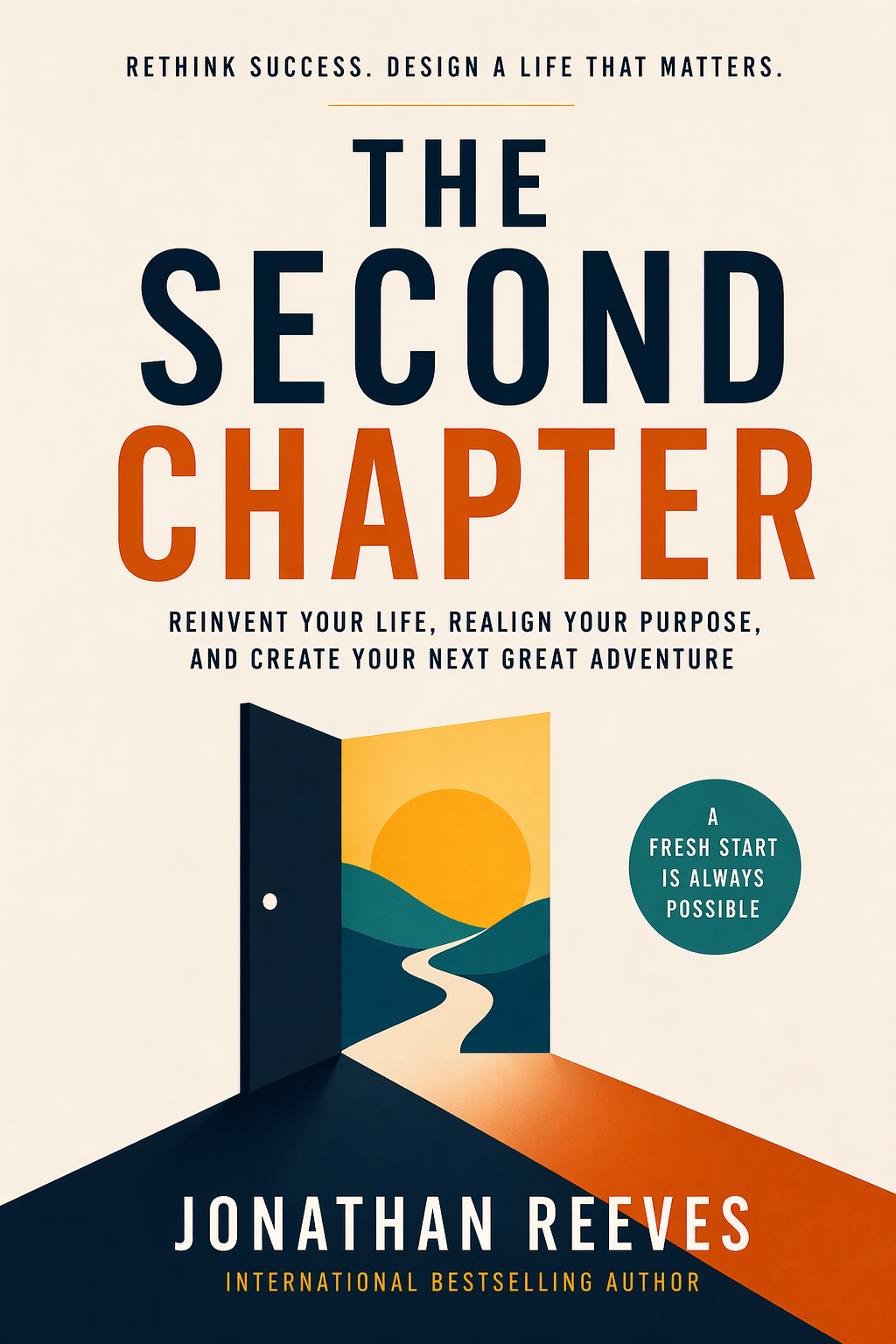
Published book created through Web Publish Elite Hub
✦
manuscript assessment From manuscript to market
∞
Your IP. Your Name. Your manuscript assessment journey
MANUSCRIPT ASSESSMENT ◆ EDITORIAL ◆ DESIGN ◆ DISTRIBUTION ◆ AUTHOR BRANDING ◆ BOOK MARKETING
A clear, author-first service

Clear scope and careful delivery for manuscript assessment services

Review the complete work against its purpose and intended reader.

01

Scope that fits the project

Support key recommendations with patterns and examples from the text.

02

Quality checks that match the format

Prioritize structural decisions before lower-level polishing.

03

Transparent decisions

The report guides author decisions; it cannot guarantee agent interest, acquisition, publication or commercial success.
04

Honest boundaries

The report guides author decisions; it cannot guarantee agent interest, acquisition, publication or commercial success.

Professionally published book produced by Web Publish Elite Hub
FROM BRIEF → TO COMPLETED PROJECT
MANUSCRIPT ASSESSMENT
Start withthe real need

What manuscript assessment services involves

A manuscript assessment is a diagnostic review of a complete or substantially complete draft. It identifies major strengths, weaknesses, opportunities and risks before the author invests in a more detailed edit.

For fiction, the report may consider premise, opening pages, character motivation, stakes, plot logic, pacing, point of view, dialogue, genre expectations and reader experience. It should explain where the story loses momentum or where a change would make later events more convincing.

For nonfiction, assessment may examine the central promise, intended audience, argument structure, chapter sequence, evidence, examples, clarity, differentiation, and the relationship between title, content and reader need. A manuscript can be well written and still lack a clear organizing idea or a compelling reason for the target reader to choose it.

01

Key decisions before delivery

The report is most useful when it leads to decisions. Rather than marking every sentence, it should show which changes are foundational, which are optional and which belong to a later editing stage. Authors should be able to use it as a revision roadmap, not a verdict on their ability.

02

How the pieces fit together

A manuscript assessment is a diagnostic review of a complete or substantially complete draft.

03

Quality and readiness

It identifies major strengths, weaknesses, opportunities and risks before the author invests in a more detailed edit.

04

What the work involves

For fiction, the report may consider premise, opening pages, character motivation, stakes, plot logic, pacing, point of view, dialogue, genre expectations and reader experience.

Discuss Your Book Project ↗
Whothis servicehelps

Who benefits from manuscript assessment services?

You need a revision plan before spending time on sentence-level polish.

01
THE AUTHORITY BUILDER

Writers with
a complete
first draft

You want to assess reader experience and readiness before approaching agents or publishers.

Authority Credibility Business Growth
02 ↗

Novelists preparing
for submission

You know the subject but want to test structure, clarity, audience fit and promise.

Leadership & Legacy
03 ↗

Nonfiction authors
with an expert draft

You need to know whether the main issues are structural, stylistic, mechanical or positioning-related.

Thought Leadership
04 ↗

Authors choosing
an editing service

An assessment works best when the manuscript is complete enough for its overall shape to be evaluated. For a few chapters, a sample review may be more suitable.

Expertise & Impact
05 ↗

An
established author

You need a revision plan before spending time on sentence-level polish.

Story & Legacy
06 ↗

A specialist
or organization

You want to assess reader experience and readiness before approaching agents or publishers.

Knowledge & Influence

Youknow the subjectbut want to test structure, clarity, audience fit and promise.

Explore Your manuscript assessment Path ↗
What thework cancover

What the service can cover

Does the opening establish the book’s subject, stakes, voice and reason to continue?

02
WORDS & VOICE

Structure and progression

For fiction, assess motivation and cause-and-effect; for nonfiction, examine logic, support and gaps.

Consider reader expectations without forcing the work to follow every trend.

Executive Books Business Books Thought Leadership Memoir
INCLUDED
  • It identifies major strengths, weaknesses, opportunities and risks before the author invests in a more detailed edit.
  • For fiction, the report may consider premise, opening pages, character motivation, stakes, plot logic, pacing, point of view, dialogue, genre expectations and reader experience.
  • It should explain where the story loses momentum or where a change would make later events more convincing.
  • For nonfiction, assessment may examine the central promise, intended audience, argument structure, chapter sequence, evidence, examples, clarity, differentiation, and the relationship between title, content and reader need.
  • A manuscript can be well written and still lack a clear organizing idea or a compelling reason for the target reader to choose it.
03
EDITORIAL

Pacing and clarity

Turn findings into an ordered action plan, separating foundational work from later copyediting and proofreading.

Fact-checking, legal review, sensitivity reading and detailed market research may require separate specialist scope.

Developmental Editing Copy Editing Line Editing Proofreading
EDITORIAL FOCUS
  • The report is most useful when it leads to decisions.
  • Rather than marking every sentence, it should show which changes are foundational, which are optional and which belong to a later editing stage.
  • Authors should be able to use it as a revision roadmap, not a verdict on their ability.
  • You need a revision plan before spending time on sentence-level polish.
  • You want to assess reader experience and readiness before approaching agents or publishers.
YOUR
STORY
04
CREATIVE PRODUCTION

Character, argument or evidence

Does the opening establish the book’s subject, stakes, voice and reason to continue?

Do chapters or scenes build logically and deliver what the reader was promised?

Cover Concept Typography Interior Layout eBook Formatting
05
manuscript assessment SETUP

Genre and audience fit

Where does the work feel rushed, repetitive, slow, confusing or under-explained?

For fiction, assess motivation and cause-and-effect

ISBN Metadata Categories Keywords
manuscript assessment ASSETS
  • You know the subject but want to test structure, clarity, audience fit and promise.
  • You need to know whether the main issues are structural, stylistic, mechanical or positioning-related.
  • An assessment works best when the manuscript is complete enough for its overall shape to be evaluated.
  • For a few chapters, a sample review may be more suitable.
  • A reliable assessment starts with the manuscript’s purpose and author questions
06
MARKETPLACE manuscript assessment

Revision priorities

for nonfiction, examine logic, support and gaps.

Consider reader expectations without forcing the work to follow every trend.

Amazon KDP Book Metadata Retail Listings
MARKETPLACE
  • feedback must remain candid even when the preferred answer is different.
  • Specify whether the report includes sample annotations, a call or follow-up questions.
  • These are not automatic features of every assessment.
  • Share genre, target reader, draft stage, publication goal and key questions for the report.
  • Review overall structure and the cumulative effect of chapters or scenes.
07
GLOBAL REACH

Production and implementation

Turn findings into an ordered action plan, separating foundational work from later copyediting and proofreading.

Fact-checking, legal review, sensitivity reading and detailed market research may require separate specialist scope.

Print eBook Retail International
DISTRIBUTION
  • Identify strengths, friction points, gaps, confusing passages and opportunities.
  • Separate major structural changes from stylistic or mechanical work.
  • Provide organized findings and practical revision options.
  • If included, discuss how to interpret the report without turning assessment into unpriced rewriting.
  • Explain why a section loses clarity or momentum instead of saying only that it does.
♪
08
AUDIO EDITION

Quality checks

When a manuscript is complete but you are unsure what to fix first, another round of self-editing can feel like walking in circles.

A manuscript assessment offers a structured editorial view: what is working, where readers may struggle, and which revisions deserve attention first.

Voice Recording Mastering Audiobook
09
LAUNCH & VISIBILITY

Review and revision

Evaluate structure, pacing, clarity, reader promise, argument or narrative development.

Separate high-impact changes from smaller line-level corrections.

Launch Strategy Digital Marketing Social Content Promotion
VISIBILITY
  • Evaluate whether the book achieves its purpose without imposing one person’s taste as a universal rule.
  • Help the author distinguish what to revise first from issues that can wait.
  • Assessment is not a guarantee of agent interest or publication.
  • Ask what the report contains, how the assessor approaches your genre and whether key findings will reference examples from the manuscript.
  • A line edit, rewritten chapter, proofreading pass, submission guarantee or detailed market-size study is not included unless expressly agreed.
ONE MANUSCRIPT ASSESSMENT PARTNER.

Final handover

Discuss Your manuscript assessment Project ↗
Atransparentworkflow

A step-by-step workflow

A reliable assessment starts with the manuscript’s purpose and author questions; feedback must remain candid even when the preferred answer is different.

01
DISCOVERY & STRATEGY

Prepare the working materials

Specify whether the report includes sample annotations, a call or follow-up questions. These are not automatic features of every assessment.

Vision Audience Positioning
02
DEVELOPMENT

Review the first version

A reliable assessment starts with the manuscript’s purpose and author questions

Outline Writing Ghostwriting
03
EDITORIAL REFINEMENT

Apply agreed revisions

feedback must remain candid even when the preferred answer is different.

Developmental Edit Copy Edit Proofreading
04
DESIGN & PRODUCTION

Run quality checks

Specify whether the report includes sample annotations, a call or follow-up questions.

Cover Design Interior Layout eBook Print
05
manuscript assessment & DISTRIBUTION

Approve and hand over

These are not automatic features of every assessment.

ISBN Metadata Amazon Distribution
06
LAUNCH & AUTHORITY

Confirm scope and inputs

Share genre, target reader, draft stage, publication goal and key questions for the report.

Launch PR Author Brand Visibility
✦
BUILT AROUND YOUR SCHEDULE

Set the brief

Review overall structure and the cumulative effect of chapters or scenes.

See the Full Process ↗

Identify strengths, friction points, gaps, confusing passages and opportunities.

Book a Consultation ↗
Thoughtful execution

What makes editorial feedback useful

Explain why a section loses clarity or momentum instead of saying only that it does.

W
THE WPEH APPROACH

Reasons behind recommendations

Evaluate whether the book achieves its purpose without imposing one person’s taste as a universal rule.

APPROACH End-to-End
FOCUS Author First
OUTCOME Built to Last
01

Respect for the manuscript’s intent

Help the author distinguish what to revise first from issues that can wait.

02

Prioritized actions

Assessment is not a guarantee of agent interest or publication.

03

Honest boundaries

Ask what the report contains, how the assessor approaches your genre and whether key findings will reference examples from the manuscript.

04

A scope you can understand

Explain why a section loses clarity or momentum instead of saying only that it does.

05

Clear communication

Evaluate whether the book achieves its purpose without imposing one person’s taste as a universal rule.

06

Quality before speed

Help the author distinguish what to revise first from issues that can wait.

“

Assessment is not a guarantee of agent interest or publication.

THE WEB PUBLISH ELITE HUB STANDARD
Talk to a manuscript assessment Expert ↗
Know whatyou willreceive

Possible deliverables

A line edit, rewritten chapter, proofreading pass, submission guarantee or detailed market-size study is not included unless expressly agreed.

01 ✦

Editable source files

A written report tailored to genre and objective.

  • A written report tailored to genre and objective.
  • Summary of strengths and elements worth protecting.
  • Analysis of structural, pacing, clarity, argument or reader-experience issues.
02 ✎

Final export and handover

Summary of strengths and elements worth protecting.

  • Examples illustrating major findings.
  • Prioritized revision recommendations and suggested next editing stage.
  • Optional sample annotations or discussion if agreed.
03 ≋

Usage and ownership notes

Analysis of structural, pacing, clarity, argument or reader-experience issues.

  • Prioritize structural decisions before lower-level polishing.
  • it cannot guarantee agent interest, acquisition, publication or commercial success.
  • A manuscript assessment is a diagnostic review of a complete or substantially complete draft.
04 ◇

Next-step guidance

Prioritized revision recommendations and suggested next editing stage.

  • It identifies major strengths, weaknesses, opportunities and risks before the author invests in a more detailed edit.
  • For fiction, the report may consider premise, opening pages, character motivation, stakes, plot logic, pacing, point of view, dialogue, genre expectations and reader experience.
  • It should explain where the story loses momentum or where a change would make later events more convincing.
05 ▤

Core deliverables

Optional sample annotations or discussion if agreed.

  • For nonfiction, assessment may examine the central promise, intended audience, argument structure, chapter sequence, evidence, examples, clarity, differentiation, and the relationship between title, content and reader need.
  • A manuscript can be well written and still lack a clear organizing idea or a compelling reason for the target reader to choose it.
  • The report is most useful when it leads to decisions.
06 №

A written report tailored to genre and objective

When a manuscript is complete but you are unsure what to fix first, another round of self-editing can feel like walking in circles.

  • Rather than marking every sentence, it should show which changes are foundational, which are optional and which belong to a later editing stage.
  • Authors should be able to use it as a revision roadmap, not a verdict on their ability.
  • You need a revision plan before spending time on sentence-level polish.
07 ◉

Summary of strengths and elements worth protecting

A manuscript assessment offers a structured editorial view: what is working, where readers may struggle, and which revisions deserve attention first.

  • You want to assess reader experience and readiness before approaching agents or publishers.
  • You know the subject but want to test structure, clarity, audience fit and promise.
  • You need to know whether the main issues are structural, stylistic, mechanical or positioning-related.
08 ◎

Analysis of structural, pacing, clarity, argument or reader-experience

Evaluate structure, pacing, clarity, reader promise, argument or narrative development.

  • An assessment works best when the manuscript is complete enough for its overall shape to be evaluated.
  • For a few chapters, a sample review may be more suitable.
  • Does the opening establish the book’s subject, stakes, voice and reason to continue?
09 ◌

Examples illustrating major findings

Separate high-impact changes from smaller line-level corrections.

  • Do chapters or scenes build logically and deliver what the reader was promised?
  • Where does the work feel rushed, repetitive, slow, confusing or under-explained?
  • For fiction, assess motivation and cause-and-effect
10 ↗

Prioritized revision recommendations and suggested next editing stage

Understand whether to revise, seek developmental editing or move toward copyediting and production.

  • for nonfiction, examine logic, support and gaps.
  • Consider reader expectations without forcing the work to follow every trend.
  • Turn findings into an ordered action plan, separating foundational work from later copyediting and proofreading.
11 ◈

Optional sample annotations or discussion if agreed

An assessment is feedback, not a rewrite, guarantee of publication or prediction that an agent/publisher will accept the manuscript.

  • Fact-checking, legal review, sensitivity reading and detailed market research may require separate specialist scope.
  • A reliable assessment starts with the manuscript’s purpose and author questions
  • feedback must remain candid even when the preferred answer is different.
12 ◆

Manuscript Assessment review and handover

Review the complete work against its purpose and intended reader.

  • Specify whether the report includes sample annotations, a call or follow-up questions.
  • These are not automatic features of every assessment.
  • Share genre, target reader, draft stage, publication goal and key questions for the report.
+
Your manuscript assessment package is tailored to your project.

Support key recommendations with patterns and examples from the text.

READY TO SEE WHAT YOUR PROJECT WOULD INCLUDE?

Manuscript Assessment review and handover

Request a manuscript assessment Consultation ↗
Illustrativeusecases

Illustrative project scenarios

These scenarios show how a report can support a decision. They are illustrative, not past client claims.

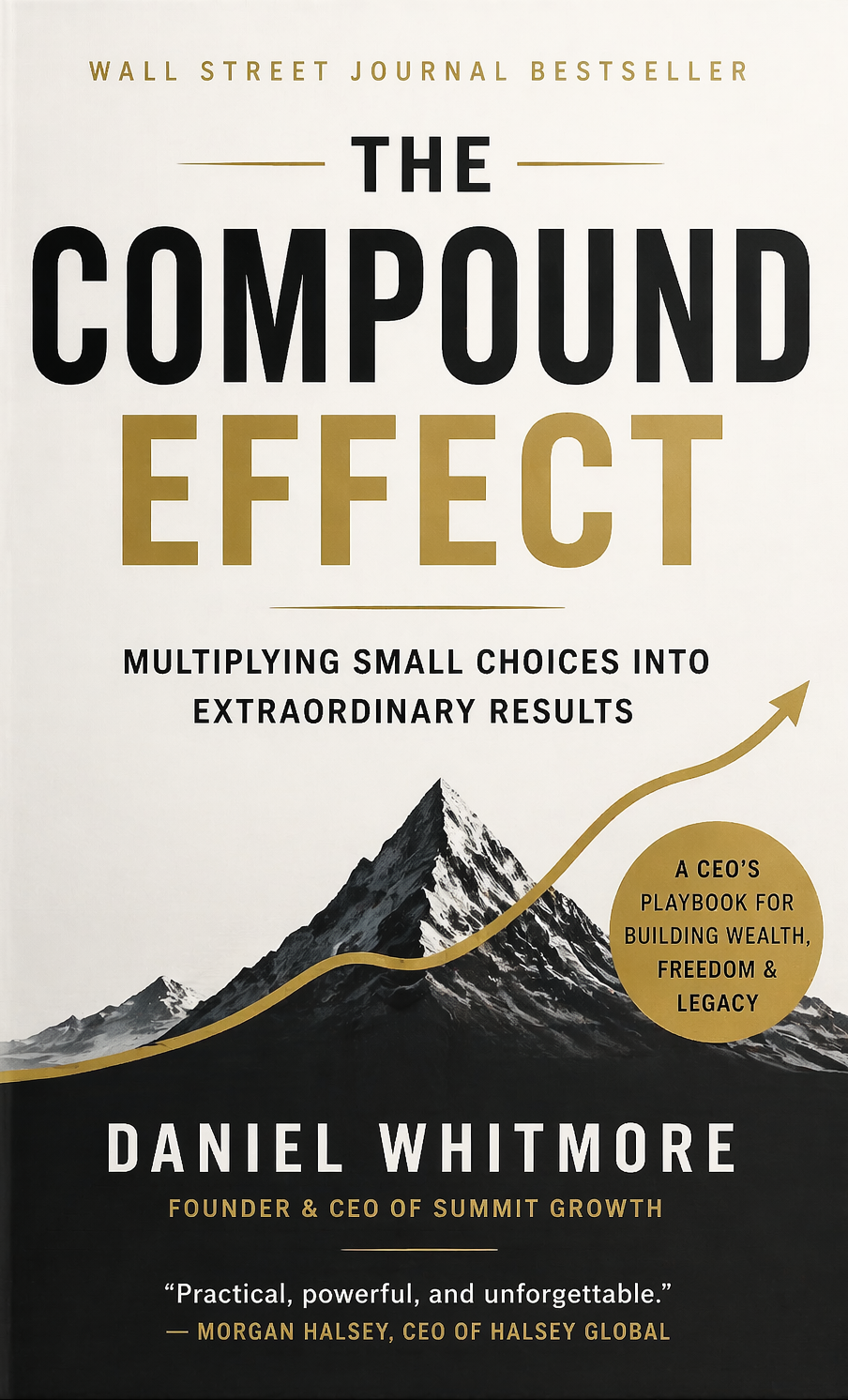
The Compound Effect — business book ↗
01 BUSINESS

A business manuscript full of ideas

Test whether the central promise is clear and whether chapters build a coherent argument.

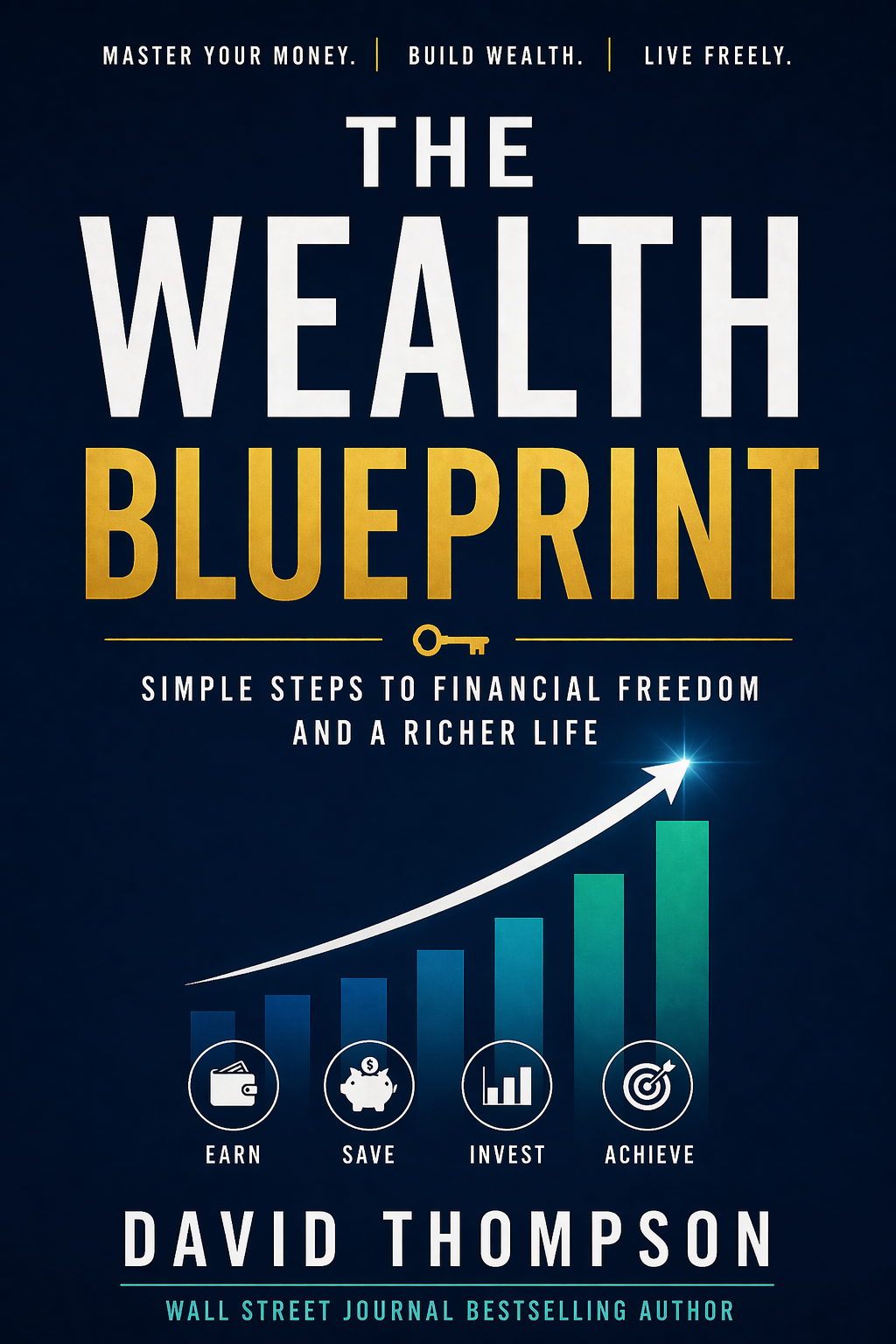
The Wealth Blueprint — business and wealth book ↗
02 BUSINESS & WEALTH

A memoir before submission

Review narrative focus, scene selection, reflection, pacing and the balance between personal detail and reader relevance.
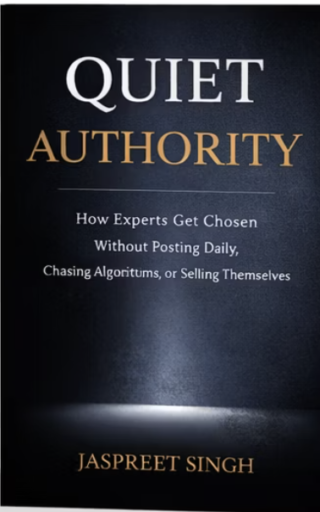
Quiet Authority — entrepreneurship book ↗
03 ENTREPRENEURSHIP

Illustrative scenario: established author

Important: These are illustrative project scenarios, not claims about completed client projects or guaranteed results. Replace them with verified work samples and permissioned testimonials if available.
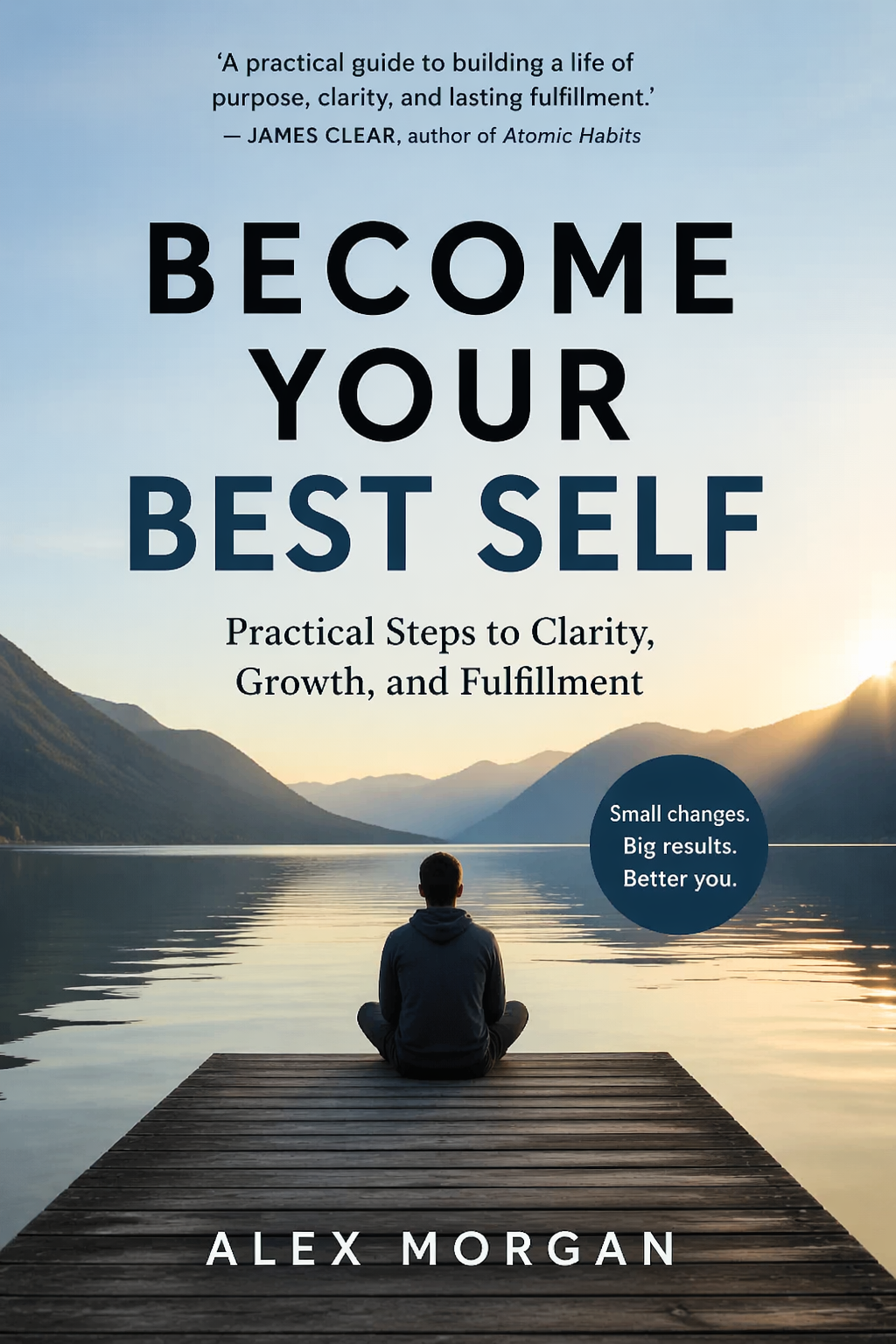
Become Your Best Self — personal development book ↗
04 PERSONAL DEVELOPMENT

Illustrative scenario: a focused project

These scenarios show how a report can support a decision.

They are illustrative, not past client claims.

Explore Full Portfolio ↗
Apracticaloutcome

A revision plan you can act on

A strong assessment gives you a better-informed decision about what to revise, what to preserve and what kind of help you need next.

+
THINK BEYOND PUBLICATION DAY

More consistent production

01
AUTHORITY

A practical handover

The author decides which recommendations align with the book’s goals and voice.

EXPERTISE → AUTHORITY
02
POSITIONING

Better-informed decisions

A strong assessment gives you a better-informed decision about what to revise, what to preserve and what kind of help you need next.

BOOK → BRAND
03
OPPORTUNITY

A clearer starting point

The author decides which recommendations align with the book’s goals and voice.

BOOK → OPPORTUNITY
04
VISIBILITY

Understand the manuscript’s strongest elements

Understand the manuscript’s strongest elements.

BOOK → VISIBILITY
05
LEVERAGE

Identify the most consequential structural or clarity problems

Identify the most consequential structural or clarity problems.

KNOWLEDGE → LEVERAGE
06
LEGACY

See examples that make the feedback actionable

See examples that make the feedback actionable.

EXPERIENCE → LEGACY
YOUR EXPERTISE
→
YOUR BOOK
→
YOUR AUTHORITY
→
WHAT COMES NEXT
BUILD THE RIGHT OUTCOME

Prioritize revisions in a sensible order

Discuss Your manuscript assessment Goals ↗
Scopebeforeprice

Service scope options

The right depth depends on draft length, genre, complexity and the diagnostic detail needed.

$
CUSTOM-SCOPED ENGAGEMENTS

Focused Assessment —Authors seeking an overall readiness view

Review purpose, reader promise, structure and major risks. Scope: Concise report with priorities.

01 AUTHOR-LED
FOR AUTHORS WHO WANT TO WRITE THEIR OWN BOOK

Comprehensive Editorial Report — Authors needing a detailed diagnosis

Evaluate structural and reader-experience patterns with supporting examples. Scope: Expanded report tailored to genre.

  • Complete report plus a scheduled discussion or limited follow-up.
  • Scope: Written report and defined consultation time.
  • Turnaround, report depth, annotations, debrief time and follow-up limits should be stated in the quote.
  • When a manuscript is complete but you are unsure what to fix first, another round of self-editing can feel like walking in circles.
  • A manuscript assessment offers a structured editorial view: what is working, where readers may struggle, and which revisions deserve attention first.
  • Evaluate structure, pacing, clarity, reader promise, argument or narrative development.
03 STRATEGIC
FOR AUTHORS BUILDING A LARGER AUTHORITY PLATFORM

Focused support

Turnaround, report depth, annotations, debrief time and follow-up limits should be stated in the quote.

  • it cannot guarantee agent interest, acquisition, publication or commercial success.
  • A manuscript assessment is a diagnostic review of a complete or substantially complete draft.
  • It identifies major strengths, weaknesses, opportunities and risks before the author invests in a more detailed edit.
  • For fiction, the report may consider premise, opening pages, character motivation, stakes, plot logic, pacing, point of view, dialogue, genre expectations and reader experience.
  • It should explain where the story loses momentum or where a change would make later events more convincing.
  • For nonfiction, assessment may examine the central promise, intended audience, argument structure, chapter sequence, evidence, examples, clarity, differentiation, and the relationship between title, content and reader need.
+
Why don't we publish fixed prices?

The right depth depends on draft length, genre, complexity and the diagnostic detail needed.

ACROSS EVERY ENGAGEMENT

A coordinated project

01 Clear Scope

Review purpose, reader promise, structure and major risks.

02 Structured Workflow

Scope: Concise report with priorities.

03 Author Collaboration

Evaluate structural and reader-experience patterns with supporting examples.

04 Professional Production

Scope: Expanded report tailored to genre.

READY TO DISCUSS YOUR BOOK?

End-to-end assistance

Request a manuscript assessment Consultation ↗
Comparetheroutes

Which editorial service should come first?

Diagnoses strengths, weaknesses, structure and revision priorities. Choose this when: You are unsure what the manuscript needs.

01
TRADITIONAL

Manuscript assessment

Works more actively with structure, content, progression and reader experience. Choose this when: You want deeper editorial collaboration on the manuscript.

02
SELF-manuscript assessment

Developmental editing

Focuses on language clarity, consistency and final mechanical issues. Choose this when: Structure and content are stable enough for sentence-level or final-stage editing.

Comparison point Self-managed Specialist support Coordinated service
Manuscript assessment Developmental editing Copyediting or proofreading Manuscript assessment
Developmental editing Copyediting or proofreading Manuscript assessment Developmental editing
Copyeditingorproofreading Manuscript assessment Developmental editing Copyediting or proofreading
Manuscript assessment Developmental editing Copyediting or proofreading Manuscript assessment
Developmental editing Copyediting or proofreading Manuscript assessment Developmental editing
Copyeditingorproofreading Manuscript assessment Developmental editing Copyediting or proofreading
Manuscript assessment Developmental editing Copyediting or proofreading Manuscript assessment
Developmental editing Copyediting or proofreading Manuscript assessment Developmental editing
Copyeditingorproofreading Manuscript assessment Developmental editing Copyediting or proofreading
Manuscript assessment Developmental editing Copyediting or proofreading Manuscript assessment
Developmental editing Copyediting or proofreading Manuscript assessment Developmental editing
Copyeditingorproofreading Manuscript assessment Developmental editing Copyediting or proofreading
A SIMPLE WAY TO THINK ABOUT IT

Do it yourself

T

Choose this when

Diagnoses strengths, weaknesses, structure and revision priorities.

S

Use a coordinated service

Choose this when: You are unsure what the manuscript needs.

W
WHERE WEB PUBLISH ELITE HUB FITS

Hire a specialist

Choose this when: You want deeper editorial collaboration on the manuscript.

Discuss Your Manuscript Assessment Approach ↗

Focuses on language clarity, consistency and final mechanical issues.

PUBLISHING INSIGHTS

Helpful Resources for Your Publishing Journey.

Explore practical guides, publishing insights, author strategies, and expert resources to help you make better decisions throughout the process of writing, publishing, marketing, and growing your book.


Looking for something specific? Explore the complete collection of publishing guides and resources.

Explore All Articles ↗
Direct answersbefore youbegin

Manuscript assessment FAQs

A structured editorial diagnosis of the manuscript’s strengths, weaknesses, reader experience and revision priorities.

?
NEED MORE CLARITY?

Timing and approvals

No. Assessment describes what is working and what needs attention; editing works more directly on the text.

A full assessment is most useful when the draft is complete enough for overall structure to be judged.

Talk to a manuscript assessment Expert ↗
STILL HAVE QUESTIONS?

Scope and expectations

Book a Consultation ↗
Location-aware, remote-ready support

Support for authors in different markets

Editorial principles travel, but genre conventions, spelling standards, market expectations and submission norms vary. Define the intended readership and publishing route.

US

United Kingdom and Ireland

  • United States: Clarify target readers and submission conventions.
  • United Kingdom and Ireland: Confirm spelling preferences and whether the goal is local or international submission.
  • Canada: Agree language style and relevant readership context.
  • Australia and New Zealand: Clarify market positioning and regional references.
  • India and international readers: Make the intended audience explicit for work combining local and global context.
  • Editorial principles travel, but genre conventions, spelling standards, market expectations and submission norms vary.
UK

Australia and New Zealand

  • Define the intended readership and publishing route.
  • An editorial report is not a substitute for legal, medical, financial or other specialist review of high-stakes claims.
  • United States: Clarify target readers and submission conventions.
  • United Kingdom and Ireland: Confirm spelling preferences and whether the goal is local or international submission.
  • Canada: Agree language style and relevant readership context.
  • Australia and New Zealand: Clarify market positioning and regional references.
CA

Europe and other markets

  • India and international readers: Make the intended audience explicit for work combining local and global context.
  • When a manuscript is complete but you are unsure what to fix first, another round of self-editing can feel like walking in circles.
  • A manuscript assessment offers a structured editorial view: what is working, where readers may struggle, and which revisions deserve attention first.
  • Evaluate structure, pacing, clarity, reader promise, argument or narrative development.
  • Separate high-impact changes from smaller line-level corrections.
  • Understand whether to revise, seek developmental editing or move toward copyediting and production.
AU

United States and Canada

  • An assessment is feedback, not a rewrite, guarantee of publication or prediction that an agent/publisher will accept the manuscript.
  • Review the complete work against its purpose and intended reader.
  • Support key recommendations with patterns and examples from the text.
  • Prioritize structural decisions before lower-level polishing.
  • it cannot guarantee agent interest, acquisition, publication or commercial success.
  • A manuscript assessment is a diagnostic review of a complete or substantially complete draft.
NZ

United States

  • It identifies major strengths, weaknesses, opportunities and risks before the author invests in a more detailed edit.
  • For fiction, the report may consider premise, opening pages, character motivation, stakes, plot logic, pacing, point of view, dialogue, genre expectations and reader experience.
  • It should explain where the story loses momentum or where a change would make later events more convincing.
  • For nonfiction, assessment may examine the central promise, intended audience, argument structure, chapter sequence, evidence, examples, clarity, differentiation, and the relationship between title, content and reader need.
  • A manuscript can be well written and still lack a clear organizing idea or a compelling reason for the target reader to choose it.
  • The report is most useful when it leads to decisions.
IE

India and international readers

  • Rather than marking every sentence, it should show which changes are foundational, which are optional and which belong to a later editing stage.
  • Authors should be able to use it as a revision roadmap, not a verdict on their ability.
  • You need a revision plan before spending time on sentence-level polish.
  • You want to assess reader experience and readiness before approaching agents or publishers.
  • You know the subject but want to test structure, clarity, audience fit and promise.
  • You need to know whether the main issues are structural, stylistic, mechanical or positioning-related.
ZA

Manuscript Assessment review and handover

  • An assessment works best when the manuscript is complete enough for its overall shape to be evaluated.
  • For a few chapters, a sample review may be more suitable.
  • Does the opening establish the book’s subject, stakes, voice and reason to continue?
  • Do chapters or scenes build logically and deliver what the reader was promised?
  • Where does the work feel rushed, repetitive, slow, confusing or under-explained?
  • For fiction, assess motivation and cause-and-effect
INT

Manuscript Assessment review and handover

  • for nonfiction, examine logic, support and gaps.
  • Consider reader expectations without forcing the work to follow every trend.
  • Turn findings into an ordered action plan, separating foundational work from later copyediting and proofreading.
  • Fact-checking, legal review, sensitivity reading and detailed market research may require separate specialist scope.
  • A reliable assessment starts with the manuscript’s purpose and author questions
  • feedback must remain candid even when the preferred answer is different.
EU

Manuscript Assessment review and handover

  • Specify whether the report includes sample annotations, a call or follow-up questions.
  • These are not automatic features of every assessment.
  • Share genre, target reader, draft stage, publication goal and key questions for the report.
  • Review overall structure and the cumulative effect of chapters or scenes.
  • Identify strengths, friction points, gaps, confusing passages and opportunities.
  • Separate major structural changes from stylistic or mechanical work.
Take thenext practicalstep

Find out what your manuscript needs next

Share the genre, approximate word count, current draft stage and what you hope to do with the book. That helps shape an assessment around the decisions you need to make.

01 One Manuscript Assessment Partner
02 Professional Execution
03 Built Around Your Goals

An honest report may identify substantial revisions; its purpose is to make those decisions clearer, not promise an easy route to publication.