
01
Scope that fits the project
Use a brief, glossary and review process suited to the genre and subject.
A good book translation carries more than dictionary meaning. It has to preserve voice, intent, context and the experience you want readers to have—while sounding natural to people who read the target language every day. We help define the right language pair, editorial process and production scope.

Define the source and target language, audience and regional variant before work starts.
Use a brief, glossary and review process suited to the genre and subject.
Clarify rights, confidentiality, review stages and publication responsibilities.
Translation is not automatically certification, legal review or permission to publish a translated edition.
Translation is not automatically certification, legal review or permission to publish a translated edition.

Book translation transfers a work into another language while adapting phrasing and cultural references so the result reads naturally and preserves the intended meaning.
Different books require different methods. Literary fiction may depend on voice, dialogue, humour, pacing and subtext. Memoir may need sensitivity to personal tone and cultural context. Technical or business nonfiction may need precise terminology, consistent units and careful treatment of claims and citations. Children’s books may require age-appropriate language and coordination with illustrations.
A useful brief identifies the target audience, language variant, purpose of the edition, preferred tone, proper nouns, terms that should remain in the source language and references that need explanation. For longer projects, a glossary and style sheet help the translator and reviewer remain consistent from chapter to chapter.
Translation is also a rights and production project. Confirm that you are authorized to create and publish a translated edition, identify the rights holder, agree how the translated work may be used, and plan cover, metadata, layout and proofing for the target language. Translation alone does not grant distribution rights.
Book translation transfers a work into another language while adapting phrasing and cultural references so the result reads naturally and preserves the intended meaning.
Different books require different methods.
Literary fiction may depend on voice, dialogue, humour, pacing and subtext.
You want readers in another language to understand the book without losing its essential tone or argument.
Voice, perspective, dialogue, idioms and context require more than literal rendering.
Specialized terminology, data, examples, units and references must be consistent.
Leadership & LegacyYou need an organized handoff between translation, review, design and production.
Thought LeadershipBefore commissioning translation, confirm target-market demand, rights, intended format and whether the translated edition needs a new editorial or design workflow.
Expertise & ImpactYou want readers in another language to understand the book without losing its essential tone or argument.
Story & LegacyVoice, perspective, dialogue, idioms and context require more than literal rendering.
Knowledge & InfluenceSpecializedterminology, data,examples, units and references must be consistent.
Explore Your book translation Path ↗Capture source/target language, audience, purpose, tone, regional variant, terminology and format.
Review a representative sample where agreed to align voice, terminology and expectations.
Translate the agreed text while preserving meaning and narrative function rather than mechanically copying sentence structure.
Record names, technical terms, transliteration choices, measurements and preferred spellings.
Check meaning, naturalness, omissions, consistency and ambiguity; complex work may need a second reviewer.
Coordinate translated cover text, metadata, layout, captions, references and final proofreading if included.
Certified/sworn translation, legal review, specialist medical/legal review and permissions clearance must be specifically scoped. Do not assume a standard book translation is accepted for official purposes.
Capture source/target language, audience, purpose, tone, regional variant, terminology and format.
Review a representative sample where agreed to align voice, terminology and expectations.
Translate the agreed text while preserving meaning and narrative function rather than mechanically copying sentence structure.
Record names, technical terms, transliteration choices, measurements and preferred spellings.
Check meaning, naturalness, omissions, consistency and ambiguity
complex work may need a second reviewer.
Coordinate translated cover text, metadata, layout, captions, references and final proofreading if included.
Certified/sworn translation, legal review, specialist medical/legal review and permissions clearance must be specifically scoped.
Do not assume a standard book translation is accepted for official purposes.
A good book translation carries more than dictionary meaning.
It has to preserve voice, intent, context and the experience you want readers to have—while sounding natural to people who read the target language every day.
We help define the right language pair, editorial process and production scope.
Preserve tone, rhythm, meaning and authorial intent where the target language allows.
Create a consistent approach for names, technical terms, brands and recurring concepts.
A structured brief and early alignment reduce expensive inconsistencies later.
Author responses to terminology and meaning queries affect timing. A realistic plan includes review time, not just translation time.
A structured brief and early alignment reduce expensive inconsistencies later.
Author responses to terminology and meaning queries affect timing.
A realistic plan includes review time, not just translation time.
Confirm the right to commission a translation, intended format, language, volume, timeline and use of third-party material.
Share audience profile, style examples, glossary, names, variants and sensitive or ambiguous passages.
Review voice, tone, terminology and cultural adaptation before full production where appropriate.
Work through the manuscript with consistent terminology and query handling
Book a Consultation ↗A literary novel and a technical manual need different judgment, vocabulary and review processes.
Understand whether work is translated by one person, reviewed by another and proofread after layout.
Idioms, humour and examples should be adapted thoughtfully without changing facts.
Translated text, source files, sensitive information and usage rights should be addressed in writing.
Avoid choosing on per-word price alone. Review language-pair experience, sample quality, confidentiality terms and the actual review scope.
A literary novel and a technical manual need different judgment, vocabulary and review processes.
Understand whether work is translated by one person, reviewed by another and proofread after layout.
Idioms, humour and examples should be adapted thoughtfully without changing facts.
Translated text, source files, sensitive information and usage rights should be addressed in writing.
THE WEB PUBLISH ELITE HUB STANDARDTranslated layout, certified copies, back-translation, legal review and rights clearance are separate unless included in the agreement.
Translated layout, certified copies, back-translation, legal review and rights clearance are separate unless included in the agreement.
Translation brief recording language pair, audience, style and key terminology.
Translated manuscript in the agreed editable format.
Glossary/style-sheet entries for recurring terms and names where useful.
Queries and decisions needing author clarification.
Edited or proofread target-language version if included.
Translated metadata and cover copy if explicitly included.
Final version and handover note identifying the completed review stages.
A good book translation carries more than dictionary meaning.
It has to preserve voice, intent, context and the experience you want readers to have—while sounding natural to people who read the target language every day.
We help define the right language pair, editorial process and production scope.
Preserve tone, rhythm, meaning and authorial intent where the target language allows.
Create a consistent approach for names, technical terms, brands and recurring concepts.
Coordinate language review with the design and formatting needed for a new edition.
These scenarios show why the brief and review approach should vary by genre. They are illustrative, not actual client case studies.
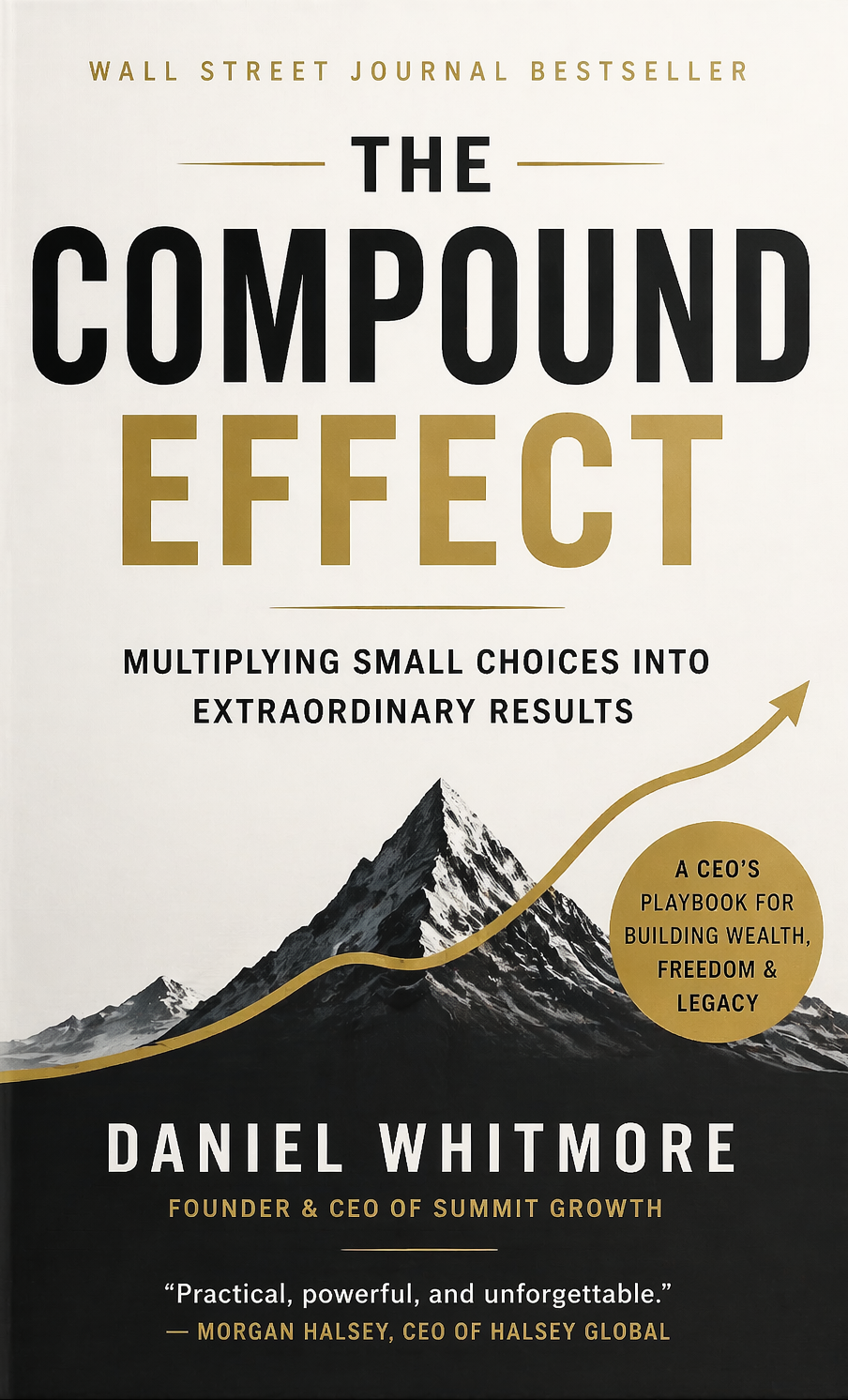
The brief identifies family names, idioms and desired tone so the translation feels natural without inventing facts.
 ↗
A glossary supports consistent terms while a qualified reviewer checks tables, units, headings and references.
↗ Translator and designer coordinate text length, reading age, page composition and cultural references.
 ↗
Important: These are illustrative project scenarios, not claims about completed client projects or guaranteed results. Replace them with verified work samples and permissioned testimonials if available.
 ↗
These scenarios show why the brief and review approach should vary by genre.
They are illustrative, not actual client case studies.
Explore Full Portfolio ↗The goal is a target-language book that reads naturally, preserves meaning and is prepared for the chosen publication route.
No process removes every ambiguity from a complex text; quality criteria and final author approvals should be explicit.
The goal is a target-language book that reads naturally, preserves meaning and is prepared for the chosen publication route.
No process removes every ambiguity from a complex text
quality criteria and final author approvals should be explicit.
An agreed brief and terminology approach.
Consistent names and recurring concepts.
Language pair, word count, subject, urgency, format and review level shape the project.
Review sample/source, identify complexity and recommend process/review needs. Scope: Brief, risk list and suggested scope.
Translate the agreed text with terminology tracking and query handling. Scope: Target-language manuscript with specified format.
Translate, review, coordinate proofing and prepare metadata/layout where included. Scope: Multiple stages with responsibilities stated separately.
Rates and timelines should be estimated from the actual language pair and source. Certification, specialist expertise, rush timing, design and rights licensing may change scope.
Language pair, word count, subject, urgency, format and review level shape the project.
Review sample/source, identify complexity and recommend process/review needs.
Scope: Brief, risk list and suggested scope.
Translate the agreed text with terminology tracking and query handling.
Scope: Target-language manuscript with specified format.
Transfers a work into another language while preserving intent, voice and meaning. Choose this when: You are creating a version for readers who use another language.
Adapts examples, units, cultural references or market language for a specific audience. Choose this when: The target market needs changes beyond language alone.
A formal process whose acceptance depends on the authority, country and purpose. Choose this when: A court, university, agency or institution explicitly requires it.
Ask the receiving institution which certification or translator credentials it accepts before ordering an official translation.
| Comparison point | Self-managed | Specialist support | Coordinated service |
|---|---|---|---|
| Book translation | Localization | Certified or sworn translation | Book translation |
| Localization | Certified or sworn translation | Book translation | Localization |
| Certifiedor sworntranslation | Book translation | Localization | Certified or sworn translation |
| Book translation | Localization | Certified or sworn translation | Book translation |
| Localization | Certified or sworn translation | Book translation | Localization |
| Certifiedor sworntranslation | Book translation | Localization | Certified or sworn translation |
| Book translation | Localization | Certified or sworn translation | Book translation |
| Localization | Certified or sworn translation | Book translation | Localization |
| Certifiedor sworntranslation | Book translation | Localization | Certified or sworn translation |
| Book translation | Localization | Certified or sworn translation | Book translation |
| Localization | Certified or sworn translation | Book translation | Localization |
| Certifiedor sworntranslation | Book translation | Localization | Certified or sworn translation |
Transfers a work into another language while preserving intent, voice and meaning.
Choose this when: You are creating a version for readers who use another language.
Adapts examples, units, cultural references or market language for a specific audience.
Choose this when: The target market needs changes beyond language alone.
A formal process whose acceptance depends on the authority, country and purpose.
Explore practical guides, publishing insights, author strategies, and expert resources to help you make better decisions throughout the process of writing, publishing, marketing, and growing your book.





Looking for something specific? Explore the complete collection of publishing guides and resources.
Explore All Articles ↗Cost depends on language pair, word count, genre, subject complexity, source quality, urgency and whether editing/proofreading is included.
The process can be scoped for either, but the translator and review method should suit the genre and subject.
Tools may assist parts of a workflow, but a publishable book still needs a clear quality-control process for meaning, voice, consistency and cultural issues.
Talk to a book translation Expert ↗You must have the relevant rights to authorize a translation and publish it. Rights may be held by the author, publisher or another party.
The brief and review should identify your voice. Languages differ, so a strong translation preserves the effect and intent rather than copying every sentence structure.
Not automatically. Translation, editing, proofreading and layout review should be listed as separate stages when needed.
Certification requirements vary. Confirm the required credentials and format with the receiving institution before commissioning the work.
Set a rule for transliteration, explanation, adaptation or retention of the source term and record it in the glossary.
Timing depends on volume, language pair, complexity, review rounds and author response time.
Yes, if included. Cover text and marketing copy often need separate judgment because space and reader expectations differ by market.
Cost depends on language pair, word count, genre, subject complexity, source quality, urgency and whether editing/proofreading is included.
The process can be scoped for either, but the translator and review method should suit the genre and subject.
Tools may assist parts of a workflow, but a publishable book still needs a clear quality-control process for meaning, voice, consistency and cultural issues.
You must have the relevant rights to authorize a translation and publish it.
Rights may be held by the author, publisher or another party.
The target language variant matters as much as the country. A language may have regional conventions; intended readers should guide the brief.
Thisdescribes remoteproject workflows, not physicaloffices orcertified-service availability in each region.
Polish the source-language manuscript.
Check near-final target-language text.
Explore Service ↗Coordinate publishing tasks for the new edition.
Explore Service ↗Prepare an ebook for selected stores.
Explore Service ↗Adapt cover presentation for the target edition.
Explore Service ↗Plan reader discovery in the intended language market.
Explore Service ↗Confirm that each destination URL is live before publishing; remove or update links to unpublished pages.
Explore Service ↗Coordinate publishing tasks for the new edition.
Explore Service ↗Prepare an ebook for selected stores.
Explore Service ↗Tell us the source language, target audience, manuscript length and whether translation rights are clear. That gives the project a reliable starting point beyond a word-count quote.
If the book includes specialist subject matter, share any glossary, style guide or reference material that should guide the translation.