
01
Stage-appropriate editing
Match the work to the manuscript: structure, argument, voice, consistency, grammar or final production errors.
Book editing services for authors who want a manuscript readers can follow, trust and enjoy. We help identify the right level of editorial attention—from structure and argument to sentence-level consistency and final proofreading—so the work is edited for its purpose rather than pushed through a one-size-fits-all package.
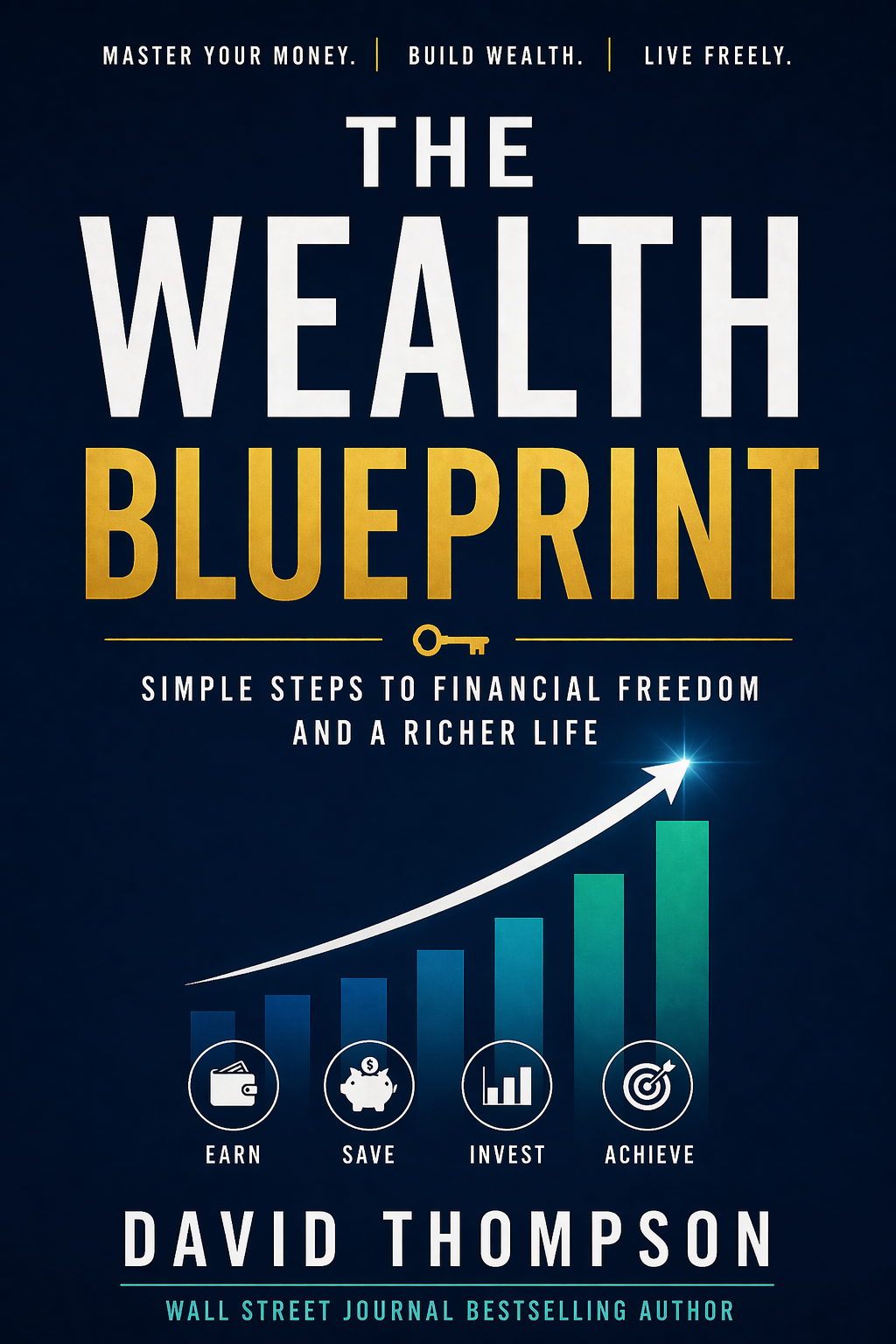
Developmental editing, copyediting and proofreading do different jobs. A clear assessment helps you avoid paying for a final polish before the structure is stable—or asking proofreading to solve problems it was never designed to fix.
Match the work to the manuscript: structure, argument, voice, consistency, grammar or final production errors.
Editorial changes should serve the intended reader and the author’s voice, not make every manuscript sound alike.
Agree the manuscript length, style guide, sample edit if applicable, deliverables and query process.
Track open questions and recurring issues so the author can make informed revisions instead of guessing what changed.
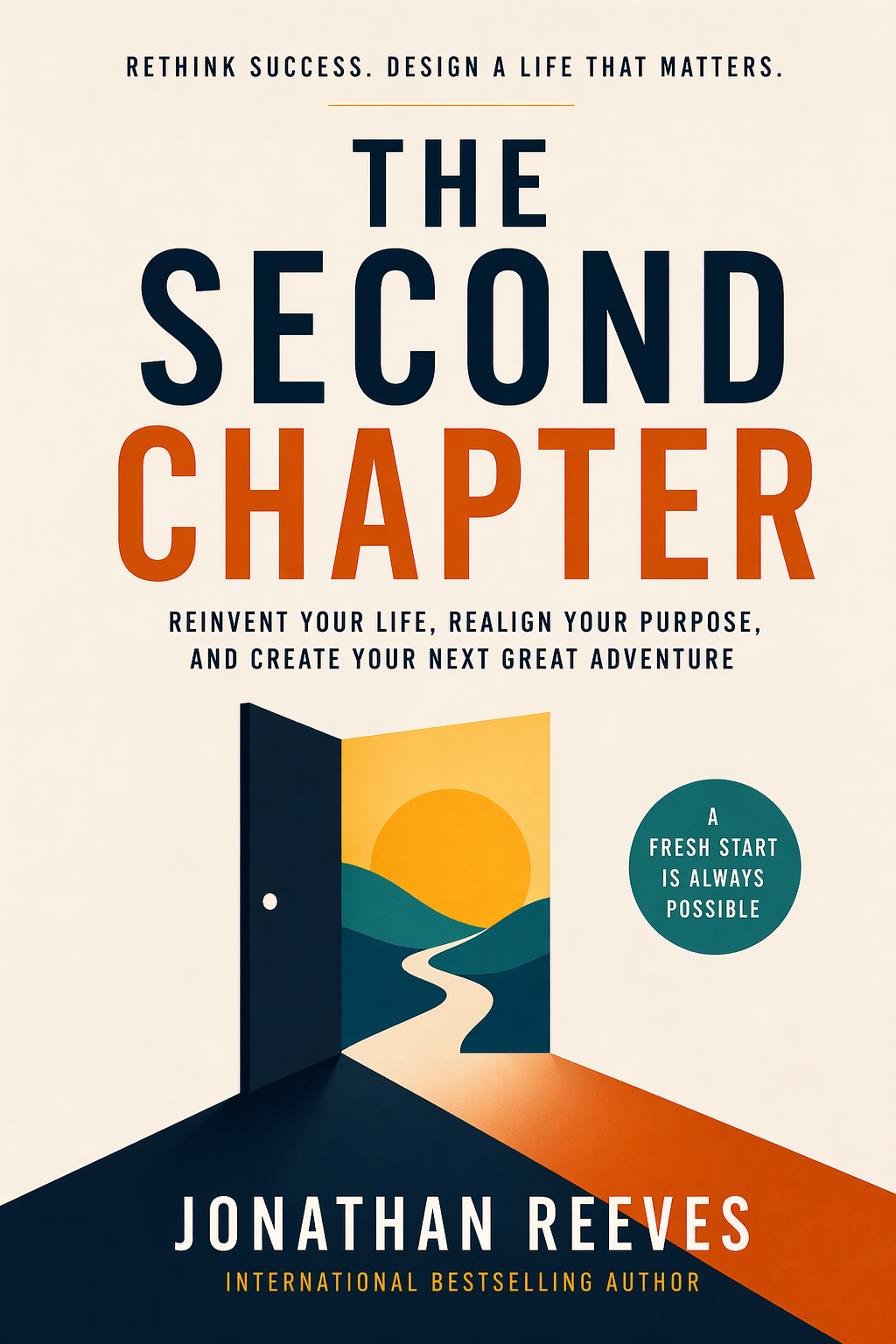
A draft with a promising idea may still need structural work. A well-structured manuscript can need a careful line edit. A corrected manuscript may then need proofreading after layout. Because these stages solve different problems, choosing the right editorial service starts with the book’s current condition and the reader’s needs.
Our book editing services can be scoped for fiction, memoir, business books, practical nonfiction and other manuscripts where the project fits our capabilities. Depending on the draft, work may include developmental feedback, line editing, copyediting, proofreading, consistency checks or a production-readiness review. Specialist, academic, legal, medical or highly technical manuscripts may require a subject-matter editor with the relevant credentials, which should be confirmed before engagement.
The aim is not to erase personality. It is to help the book communicate its ideas, story, structure and evidence with less avoidable friction—and to make editorial choices visible enough for the author to approve them.
Before work starts: agree the objective, who approves decisions, what is included, file/account ownership and how success will be assessed.
A draft with a promising idea may still need structural work.
A well-structured manuscript can need a careful line edit.
A corrected manuscript may then need proofreading after layout.
Different books and authors need different kinds of support. These are common starting points, not eligibility rules.
You have a full draft but are unsure whether the main issue is structure, clarity, consistency or grammar.
You want feedback on plot logic, pacing, character motivation, point of view, scene flow or prose without losing your voice.
Leadership & LegacyYou need a clear argument, logical chapter sequence, accurate terminology, useful examples and a consistent tone for the intended reader.
Thought LeadershipYou want narrative clarity, continuity, pacing and thoughtful handling of chronology and perspective while retaining personal voice.
Expertise & ImpactYou need an editorial stage clearly defined before cover design, formatting and retailer file production.
Story & LegacyEditors can flag unclear claims, unsupported statements and citation inconsistencies, but they do not automatically fact-check every assertion, provide legal advice, verify rights or replace a specialist reviewer. Those services should be agreed separately when the manuscript requires them.
Knowledge & InfluenceDifferentbooks andauthors need different kinds of support.
Explore Your book editing Path ↗The editorial stages can be commissioned separately or combined when the manuscript is ready. We define the level of intervention before editing begins.
Focus on the whole book: purpose, structure, chapter order, pacing, argument, reader journey, plot, character arcs or recurring gaps. Feedback may be delivered as a report, annotated manuscript or agreed combination.
Improve sentence flow, rhythm, clarity, emphasis and paragraph transitions. The goal is to make the writing more effective while preserving the author’s intent and style.
Check grammar, usage, punctuation, spelling, consistency, terminology, style and internal details. A style sheet records key decisions and recurring forms.
Review a near-final, edited manuscript or laid-out proof for remaining errors and inconsistencies. Proofreading is not a replacement for a full developmental or copy edit.
Check whether explanations, headings, examples, transitions and claims help the intended reader understand the topic. Fact-checking, source validation and specialist review are separately scoped.
Compile author queries, unresolved items, style choices and version notes so the final manuscript can move into design and formatting with fewer surprises.
Not every project needs every component. The proposal should identify prerequisites, included outputs, excluded costs and the next decision the work is meant to make easier.
The editorial stages can be commissioned separately or combined when the manuscript is ready.
We define the level of intervention before editing begins.
Focus on the whole book: purpose, structure, chapter order, pacing, argument, reader journey, plot, character arcs or recurring gaps.
Feedback may be delivered as a report, annotated manuscript or agreed combination.
Improve sentence flow, rhythm, clarity, emphasis and paragraph transitions.
The goal is to make the writing more effective while preserving the author’s intent and style.
Check grammar, usage, punctuation, spelling, consistency, terminology, style and internal details.
A style sheet records key decisions and recurring forms.
Review a near-final, edited manuscript or laid-out proof for remaining errors and inconsistencies.
Proofreading is not a replacement for a full developmental or copy edit.
Check whether explanations, headings, examples, transitions and claims help the intended reader understand the topic.
Fact-checking, source validation and specialist review are separately scoped.
Compile author queries, unresolved items, style choices and version notes so the final manuscript can move into design and formatting with fewer surprises.
Editorial timing is based on word count, density, genre, required intervention and the author’s response time. A sample review can help confirm scope when the manuscript condition is unclear.
Share the genre, intended reader, word count, draft status, goals, deadlines, style guide and any previous feedback.
A brief describing the manuscript and the question the edit must answer.
Review a representative portion or agreed sample to identify the likely editorial stage and complexity.
A written scope, assumptions, delivery format and exclusions.
Agree voice, language variety, style references, query conventions, tracked changes and whether a report is needed.
A clear editing brief and method for recording questions.
The editor works through the agreed manuscript stage and flags issues that require author decisions.
An annotated or edited manuscript plus the agreed report/style sheet.
Book a Consultation ↗The working model is designed to make the decisions, responsibilities and limits of the engagement understandable before the project begins.
You know whether the work addresses structure, sentences, copy consistency or final proofs. Each stage has a different purpose.
Suggestions are tied to clarity, pacing, comprehension, genre expectations and the book’s intended purpose.
A good edit does not flatten a distinctive narrator, specialist voice or personal style just to make the prose generic.
Track changes, queries, style notes or a report make key editorial decisions easier to assess and approve.
Editors can flag concerns, but fact-checking, sensitivity reading, legal review and rights clearance are not assumed unless listed.
Editing reduces avoidable problems; publication quality still depends on author decisions, production, proofreading and the nature of the material.
The working model is designed to make the decisions, responsibilities and limits of the engagement understandable before the project begins.
You know whether the work addresses structure, sentences, copy consistency or final proofs.
THE WEB PUBLISH ELITE HUB STANDARDEditorial scope varies with the stage. The approved proposal should state file format, number of review rounds and whether the work includes a report, tracked changes or a style sheet.
Editing level, word count, language/variant, target reader, assumed manuscript condition and agreed deadlines.
Word document or other agreed editable format with tracked changes or a clean copy, as specified.
Where included, a prioritized discussion of structure, story, argument, pacing, gaps and revision opportunities.
Specific questions where meaning, facts, chronology or author intent need confirmation.
Names, capitalization, hyphenation, terminology, spelling choices and other consistency decisions where appropriate.
A list of remaining textual and layout-related issues visible in the supplied proof, within the agreed level of review.
Corrections or follow-up review only to the extent described in the scope; a new draft or major rewrite may require a new quote.
Outstanding items, any assumptions, suggestions for the next editorial or production stage and final file locations.
Usually excluded unless agreed: ghostwriting, rewriting the entire manuscript, translation, full fact-checking, source verification, legal advice, citation research, sensitivity reading, indexing, layout/design or retailer upload.
Editorial scope varies with the stage.
The approved proposal should state file format, number of review rounds and whether the work includes a report, tracked changes or a style sheet.
Editing level, word count, language/variant, target reader, assumed manuscript condition and agreed deadlines.
Word document or other agreed editable format with tracked changes or a clean copy, as specified.
Where included, a prioritized discussion of structure, story, argument, pacing, gaps and revision opportunities.
These fictional examples show how an editor might identify the correct stage. They are not claims about real clients or guaranteed editorial results.
Illustrative scenario · Business nonfiction
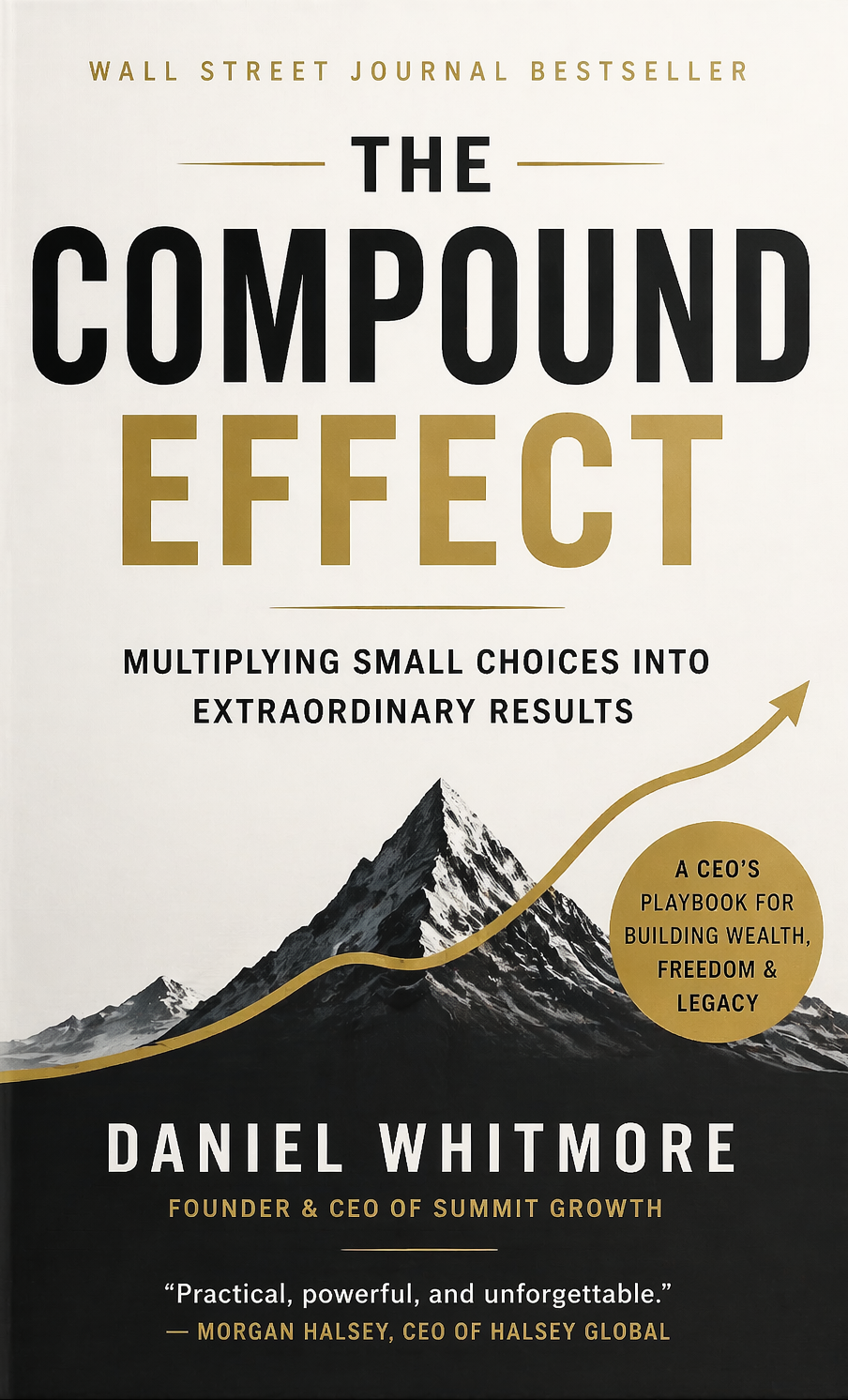 ↗
Situation: Each chapter is useful on its own, but the reader cannot see how the ideas build toward one central argument.
↗ Possible approach: A developmental assessment could examine sequence, redundancies, missing transitions and chapter objectives before copyediting begins.
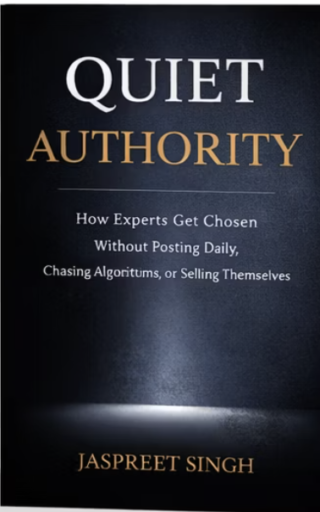 ↗
Illustrative scenario · Fiction
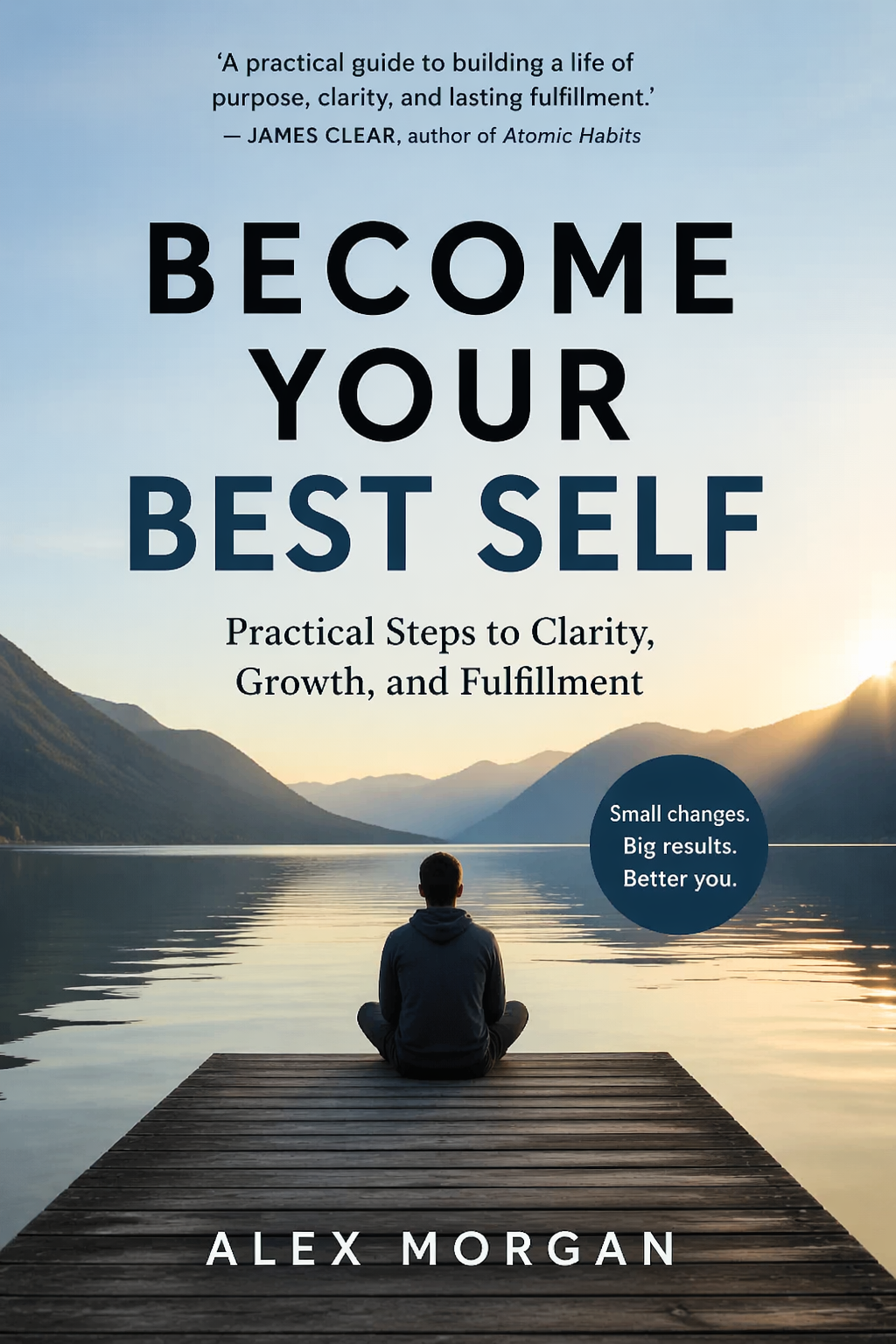 ↗
Situation: The manuscript has a distinctive voice, but some character choices feel unmotivated and the middle chapters repeat similar beats.
Possible approach: A structural edit could map character goals, scene purpose and pacing, leaving sentence-level editing until larger revisions are complete.
Explore Full Portfolio ↗We define useful signals before work begins and report what is known, what remains uncertain and what decision the evidence supports.
Readers can follow the argument, narrative sequence and transitions without unnecessary confusion.
Terminology, names, spelling, punctuation and style choices are handled consistently within the agreed style.
The author can distinguish essential structural changes from optional preferences and late-stage proofreading corrections.
Stable, approved text makes cover copy, page count, formatting and proof stages easier to coordinate.
Queries and tracked changes preserve author control over tone, factual claims and creative choices.
The final handover identifies unresolved issues and the appropriate next step rather than suggesting every possible service is mandatory.
We do not treat editing as a single fixed bundle. These scope frameworks help identify the right intervention after reviewing the manuscript or a representative sample.
For authors who need a diagnosis before commissioning a full edit.
{esc(fit.split(":",1)[0])}: {esc(fit.split(":",1)[1] if ":" in fit else fit)}
For a draft ready for a specific editorial level.
{esc(fit.split(":",1)[0])}: {esc(fit.split(":",1)[1] if ":" in fit else fit)}
For a stable manuscript near publication.
{esc(fit.split(":",1)[0])}: {esc(fit.split(":",1)[1] if ":" in fit else fit)}
A quote depends on word count, manuscript condition, genre, density, required editorial level and timing. If a sample reveals materially different needs, the scope should be revised before additional work proceeds.
We do not treat editing as a single fixed bundle.
These scope frameworks help identify the right intervention after reviewing the manuscript or a representative sample.
Do not select by label alone. Ask what the editor will examine, how feedback will be delivered and what the service explicitly will not do.
Decision rule: choose the route that solves the biggest current constraint, fits the available budget and leaves responsibilities clear. A bigger package is not automatically the better package.
Ask what the editor will examine, how feedback will be delivered and what the service explicitly will not do.
Decision rule: choose the route that solves the biggest current constraint, fits the available budget and leaves responsibilities clear.
| Route | May suit you when… | Check before choosing | Developmental edit |
|---|---|---|---|
| Looks at structure,purpose, argument, narrative, pacing and the whole-bookreader journey. | Choose before line/copy editing when major revisions may still happen. | Improves sentence-level clarity or checks language, consistency, grammar and style. | Choose when the structure is substantially stable and wording needs refinement. |
| Checks a near-finaltext or laid-out prooffor remaining errors. | Choose late in production; it is not a substitute for editing a rough draft. | Can be useful for early revisions and for understanding recurring habits. | A cold read or qualified outside review can reveal issues that are difficult to see in your own work. |
| Do notselect bylabel alone | Decision rule | Do not select by label alone | Decision rule |
| Do notselect by labelalone | Decision rule | Do not select by label alone | Decision rule |
| Do notselect by labelalone | Decision rule | Do not select by label alone | Decision rule |
| Do notselect by labelalone | Decision rule | Do not select by label alone | Decision rule |
| Do notselect bylabel alone | Decision rule | Do not select by label alone | Decision rule |
| Do notselect bylabel alone | Decision rule | Do not select by label alone | Decision rule |
| Do notselect by labelalone | Decision rule | Do not select by label alone | Decision rule |
| Do notselect bylabel alone | Decision rule | Do not select by label alone | Decision rule |
| Do notselect bylabel alone | Decision rule | Do not select by label alone | Decision rule |
| Do notselect by labelalone | Decision rule | Do not select by label alone | Decision rule |
A bigger package is not automatically the better package.
Looks at structure, purpose, argument, narrative, pacing and the whole-book reader journey.
Choose before line/copy editing when major revisions may still happen.
Improves sentence-level clarity or checks language, consistency, grammar and style.
Choose when the structure is substantially stable and wording needs refinement.
Explore practical guides, publishing insights, author strategies, and expert resources to help you make better decisions throughout the process of writing, publishing, marketing, and growing your book.





Looking for something specific? Explore the complete collection of publishing guides and resources.
Explore All Articles ↗Clear answers to common service questions. If a project has unusual requirements, confirm them in the written scope before approving the work.
They help improve a manuscript at a defined stage. Common services include developmental editing, line editing, copyediting and proofreading. The right service depends on whether the main need is structure, prose, consistency or a final error check.
Developmental editing considers the whole book: structure, argument, character, pacing and reader journey. Copyediting focuses on grammar, usage, consistency, terminology and style. A manuscript may need both, usually in that order if substantial revisions are expected.
Ask a question ↗Usually not if the draft has structural or sentence-level problems. Proofreading is a late-stage check for remaining errors in a stable manuscript or proof. It should not be sold as a complete edit of an unfinished draft.
Pricing depends on word count, editorial level, genre, complexity, turnaround and deliverables. A sample or assessment can clarify the workload. Compare scopes and sample edits—not only cost per word.
Not unless rewriting is explicitly part of the agreement. Editing typically involves feedback, tracked changes, queries or suggestions. Ghostwriting and substantial rewriting are different scopes and should be discussed separately.
That should be an explicit editorial goal. Share examples of the voice you want to retain and ask how the editor handles creative choices, dialect, technical language and author queries. Not every suggested change must be accepted.
Not automatically. An editor may flag inconsistencies or claims that need support, but full fact-checking, source verification, legal review and specialist validation should be specifically scoped.
Substantive editing should generally be completed before final interior layout and print-spine calculations. Cover concept work may overlap, but final files depend on stable content and format requirements.
An editable Word document is often helpful for tracked changes, but follow the editor’s stated intake requirements. Include the current version, a synopsis or context where useful, preferred language style and known concerns.
It depends on word count, the manuscript’s condition, the level of editing and revision expectations. Structural feedback may also require author revision time. A realistic schedule separates editor delivery from the author’s decision and revision period.
Capability should be assessed by subject, terminology, audience and evidence requirements. Highly specialized or regulated subject matter may require a subject-matter editor or independent reviewer in addition to language editing.
The author retains creative and factual responsibility. Use comments and queries to discuss meaningful changes, and agree how many review rounds are included. A good process distinguishes objective corrections from editorial preference.
Share the book title or working title, format, genre, publication status, target audience, timing and what you have already tried. You do not need a perfect brief; a clear snapshot is enough to start a useful conversation.
Clear answers to common service questions.
Editing is delivered remotely, with language variety, spelling conventions, style references and communication expectations confirmed at intake. A market location does not imply that we have a physical office there.
USEnglish preferencesand target-reader context canbe recordedin the style brief.
Editing is one stage in a larger process. These related services may be useful after the manuscript’s editorial needs are clear.
Coordinate production and publishing stages.
Explore Service ↗Explore book publishing services ↗
Explore Service ↗Plan author-led production and release decisions.
Explore Service ↗Explore self-publishing services ↗
Explore Service ↗Design the reader-facing cover once the brief is clear.
Explore Service ↗Explore book cover design services ↗
Explore Service ↗Create print and ebook layouts from stable text.
Explore Service ↗Explore book formatting services ↗
Explore Service ↗Share the genre, word count, draft stage and the feedback you have received so far. We can discuss whether an assessment, structural edit, language edit or final proof is the most useful next step.
A first conversation is for clarifying fit and scope. Any proposal should set out the deliverables, responsibilities, costs, assumptions and exclusions before work begins.