
01
Clear scope before production
Confirm what is included, who supplies source material, how approvals work, the number of revisions and what is out of scope.
Your manuscript should be comfortable to read and technically prepared for the format you plan to publish. We format the interior around the book’s content, trim size, platform requirements and reader experience—not by stretching one file across every edition.

Good service work makes decisions visible. The aim is to help authors understand the work, take informed decisions and avoid preventable handover problems.
Confirm what is included, who supplies source material, how approvals work, the number of revisions and what is out of scope.
Decisions are based on the intended audience and final publishing use—not on a universal template or generic promise.
Files, decisions, unresolved items and the next production step should be understandable when the project ends.
We separate deliverables we can control from platform decisions, commercial results or external approvals no provider can guarantee.

Book formatting—also called interior layout or typesetting—controls how a manuscript behaves on the page or screen. It includes typography, spacing, chapter openings, page numbers, running heads, paragraph styles, front and back matter, tables, footnotes and the handling of images. Good formatting does not call attention to itself. It lets readers focus on the writing and makes the book feel intentional from the opening page to the final note.
Print and eBook editions need different technical decisions. A print interior is fixed to a trim size, with stable pagination, margins, gutters and page breaks. A reflowable eBook adjusts to the reader’s screen and font settings, so semantic structure, navigation and clean styles matter more than matching an exact printed page. A fixed-layout eBook or image-heavy children’s book may need a different approach again.
Formatting should begin after the text is reasonably stable. If chapters are still being added or large sections are being rewritten, layout work may need to be repeated. A practical brief confirms the final manuscript version, intended formats, publishing platform or printer, trim size, image assets, notes and any accessibility or language considerations before production starts.
Web Publish Elite Hub can scope print interior layout, eBook conversion or a coordinated set of editions. Cover design, proofreading, copyediting, ISBN decisions, printing, upload management and distribution are separate tasks unless clearly named in the proposal. This avoids the misleading idea that one exported PDF is automatically suitable for every format.
The most useful inputs are the latest manuscript file, a list of intended formats, a chosen printer or retailer where known, and a note about special content such as tables, poetry, citations, images, equations or footnotes.
Book formatting—also called interior layout or typesetting—controls how a manuscript behaves on the page or screen.
It includes typography, spacing, chapter openings, page numbers, running heads, paragraph styles, front and back matter, tables, footnotes and the handling of images.
Formatting complexity is driven by content and format—not just total word count. A short poetry collection may require more design attention than a longer plain-text novel.
You have an edited manuscript and need print-ready and/or eBook files. A clear interior design avoids inconsistent chapter starts, accidental blank pages, awkward line breaks and a generic document-like appearance.
You need separate production files for paperback, hardcover and eBook. Each format should be checked against its own specifications rather than relying on a single file conversion.
Leadership & LegacyTables, endnotes, footnotes, equations, code, poetry, forms, photographs and sidebars require deliberate layout decisions. Send representative pages early so complexity is assessed before the full job is scoped.
Thought LeadershipYou may need consistent series styling, recurring templates, multiple contributors or revised editions. A documented style system helps maintain consistency across titles and future updates.
Expertise & ImpactFormatting complexity is driven by content and format—not just total word count.
Story & LegacyA short poetry collection may require more design attention than a longer plain-text novel.
Knowledge & InfluenceYouhave anedited manuscript and need print-ready and/or eBook files.
Explore Your book formatting Path ↗Every deliverable should be tied to a chosen format and production target. The final specifications come from the platform or printer selected for the project, and should be rechecked if that target changes.
We create a fixed-page layout with consistent type hierarchy, margins and gutters, paragraph styles, chapter openings, page numbering, running heads and controlled page breaks. Trim size and binding affect the live text area; the layout should be reviewed at actual size, especially for long chapters or dense nonfiction.
Reflowable books adapt to screen size, font choice and reader preferences. Styles need meaningful structure for headings, paragraphs, lists, quotes and notes. A navigation table of contents, internal links and clean chapter breaks improve usability. An eBook should not be treated as a screenshot of the print layout.
Common elements include title and copyright pages, dedication, acknowledgements, contents, preface, references, author biography, notes, appendices and calls to action. The correct order and elements depend on the book and publishing route; we confirm what should be included rather than adding boilerplate without approval.
A book with data tables, footnotes, equations, endnotes, bibliographies, code or poetry often needs a sample-page review. The priority is clarity and consistency, not forcing every page into a standard novel template. Source material should be legible and final, and specialist checks should be scoped separately where needed.
Images must be supplied at appropriate quality and with clear placement instructions. Print projects may require bleed, safe areas, grayscale or colour decisions and careful caption placement. eBooks need images that display appropriately across screen sizes. Image rights remain the author’s responsibility unless permissions work is included.
The handover stage checks predictable issues such as missing glyphs, inconsistent headings, unexpected blank pages, broken links, misplaced images and platform-specific requirements. Automated validation can identify some technical errors but does not replace a visual proofread. The author should review a proof before approving the edition.
Every deliverable should be tied to a chosen format and production target.
The final specifications come from the platform or printer selected for the project, and should be rechecked if that target changes.
We create a fixed-page layout with consistent type hierarchy, margins and gutters, paragraph styles, chapter openings, page numbering, running heads and controlled page breaks.
Trim size and binding affect the live text area
the layout should be reviewed at actual size, especially for long chapters or dense nonfiction.
Reflowable books adapt to screen size, font choice and reader preferences.
Styles need meaningful structure for headings, paragraphs, lists, quotes and notes.
A navigation table of contents, internal links and clean chapter breaks improve usability.
An eBook should not be treated as a screenshot of the print layout.
Common elements include title and copyright pages, dedication, acknowledgements, contents, preface, references, author biography, notes, appendices and calls to action.
The correct order and elements depend on the book and publishing route
we confirm what should be included rather than adding boilerplate without approval.
A book with data tables, footnotes, equations, endnotes, bibliographies, code or poetry often needs a sample-page review.
The priority is clarity and consistency, not forcing every page into a standard novel template.
A stable manuscript and clear output specifications reduce rework. The schedule depends on page count, layout complexity, image quality, feedback and whether revisions change the text after the layout is approved.
We identify the exact version, file type, word count, headings, notes, image assets and whether editorial changes are still expected. If the manuscript continues changing, the schedule should include a freeze point and a plan for later corrections.
The brief records print or digital formats, trim size, binding, publishing platform or printer, colour needs and any special layout requirements. If a key production choice is not decided, we clarify the dependency before final export.
Typography, chapter hierarchy, page furniture and representative page designs are agreed. A sample spread or section is useful for complex books because it reveals scale, density and reading comfort before all pages are formatted.
The approved style is applied throughout the manuscript. Tables, illustrations, notes, chapter breaks and front/back matter are handled consistently, while complex pages receive extra attention.
The author reviews the formatted proof for content, sequence and display problems. Scope should clarify whether proofreading is included or whether the review focuses on layout only. Text changes after pagination may alter page count and require another export.
Final files are named by format and edition, and delivered with the agreed source or editable files. The author or publisher completes platform upload and final proof approval unless submission assistance is explicitly included.
A stable manuscript and clear output specifications reduce rework.
The schedule depends on page count, layout complexity, image quality, feedback and whether revisions change the text after the layout is approved.
Book a Consultation ↗The working model is designed to make decisions, responsibilities and limits understandable before the project begins.
A print PDF and a reflowable eBook have different behaviours. The workflow identifies the intended output and checks the particular file, rather than treating all formats as interchangeable.
Font choice, line length, leading, hierarchy and white space are selected for readability and genre. Dense reference books, poetry, children’s books and novels do not all need the same visual system.
A sample containing the most difficult material helps identify risks before the entire book is laid out. This is more reliable than discovering at the end that tables, footnotes or image placement need a different design.
Technical checks reduce avoidable errors, but platforms change specifications and final acceptance may depend on the platform, metadata or cover as well as the interior file. Confirm the current requirements at submission.
The author is best placed to catch missing content, incorrect references and context-specific mistakes. A proof review is a normal quality-control step, not a sign that the formatting failed.
Clearly named files and a short checklist help distinguish the print interior from the eBook and clarify which versions are final. That matters when more than one format or edition is being released.
The working model is designed to make decisions, responsibilities and limits understandable before the project begins.
A print PDF and a reflowable eBook have different behaviours.
THE WEB PUBLISH ELITE HUB STANDARDThe final scope should list the files, reviews, inputs and responsibilities that apply to your specific project. The examples below are common deliverables; not every item is automatically included.
A fixed-layout PDF prepared for the agreed trim size, binding and printer requirements. Cover artwork is separate unless full-wrap cover setup is included.
An EPUB or other agreed digital file with structured headings and navigation appropriate to the chosen publishing route.
A summary of trim size, fonts, paragraph styles, chapter hierarchy and recurring layout decisions for future revisions or series books.
Agreed title, copyright, dedication, contents, author note, acknowledgements, references and other supplied sections in the specified order.
Placement and styling of agreed visual or technical elements, with cross-references where provided and within the approved scope.
Contents and internal navigation elements where supported and appropriate to the final eBook format.
A review copy and one or more explicitly defined correction rounds, with the process for text changes after layout stated in the proposal.
Files named by format and edition, plus a note on which files are intended for print, digital publication or proof review.
The final scope should list the files, reviews, inputs and responsibilities that apply to your specific project.
The examples below are common deliverables
not every item is automatically included.
A fixed-layout PDF prepared for the agreed trim size, binding and printer requirements.
Cover artwork is separate unless full-wrap cover setup is included.
An EPUB or other agreed digital file with structured headings and navigation appropriate to the chosen publishing route.
These fictional examples explain why book formatting needs to be scoped around the manuscript’s real content. They are not customer testimonials or claims about prior delivery results.
The manuscript has stable chapter headings and little special content. The main work is a carefully designed print interior and separate reflowable eBook, with attention to chapter openings, scene breaks, running heads, navigation and proof checks.
 ↗
The manuscript includes tables, numbered steps, citations, appendices and screenshots. A sample-page phase helps decide table width, image treatment and reference styling before the complete layout. Some tables may need author revision to remain legible in print.
↗ The text and illustrations must be coordinated page by page. The brief should record trim size, full-bleed pages, safe areas, colour production, image sequence and how the text integrates with the illustration. Final page count and cover dimensions should be based on the chosen printer’s specifications.
 ↗
Important: These are illustrative scenarios, not testimonials, portfolio claims or statements that any particular outcome has already occurred.
 ↗
These fictional examples explain why book formatting needs to be scoped around the manuscript’s real content.
They are not customer testimonials or claims about prior delivery results.
Explore Full Portfolio ↗Formatting quality is best judged through the actual deliverables and a proof review. A visually attractive PDF is not enough if the file does not match the intended printer or if the eBook navigation is broken.
Body text, spacing, chapter transitions and page breaks feel consistent and appropriate for the intended audience.
Headings, tables, figures, notes and references appear in the correct order without dropped text or duplicated sections.
Each print or digital file matches the selected output specification and has been checked as that format.
The author knows which files are final, which proof was reviewed and what changes remain before upload.
Formatting quality is best judged through the actual deliverables and a proof review.
A visually attractive PDF is not enough if the file does not match the intended printer or if the eBook navigation is broken.
The quote depends on the manuscript’s length and complexity, output formats, image treatment, design needs, number of revision rounds and platform specifications. These scopes are planning frameworks, not fixed-price guarantees.
One specific output, such as a print interior or reflowable eBook. Suits straightforward manuscripts where format and specifications are already confirmed.
Separate files prepared for a chosen print route and a reflowable eBook. Includes format-specific layout decisions and review; it is not a direct export of one file into another.
For children’s books, poetry, cookbooks, reference titles or books with substantial tables, images, footnotes or special page design. A sample-page assessment can establish what is feasible before a full scope is approved.
Confirm exclusions as carefully as inclusions.
The quote depends on the manuscript’s length and complexity, output formats, image treatment, design needs, number of revision rounds and platform specifications.
These scopes are planning frameworks, not fixed-price guarantees.
One specific output, such as a print interior or reflowable eBook.
Suits straightforward manuscripts where format and specifications are already confirmed.
Separate files prepared for a chosen print route and a reflowable eBook.
Choose the route that matches the reader experience and production rules you need. Templates can be sufficient for simple projects, while complex books benefit from more deliberate typesetting and quality assurance.
Choose the route that matches the reader experience and production rules you need.
Templates can be sufficient for simple projects, while complex books benefit from more deliberate typesetting and quality assurance.
Paperback or hardcover editions with a chosen trim size and printer.
| Route | Best for | Strengths | Watch-outs |
|---|---|---|---|
| Professionalprinttypesetting | Paperback or hardcover editions with a chosen trim size and printer. | Stable pagination, considered typography, chapter styling and print-focused review. | Requires fixed specifications; substantial text changes can repaginate the book. |
| ReflowableeBookformatting | Text-first digital editions that readers may view on different screens and font sizes. | Responsive text, semantic structure, navigation and device-friendly content. | Print page design cannot simply be preserved in a reflowable file. |
| Fixed-layoutor image-ledeBook | Books where the page composition itself is essential, such as some illustrated titles. | Supports deliberate page composition when the platform and format are suitable. | Compatibility and accessibility vary by platform; confirm device behaviour before committing. |
| DIY template | Simple manuscript with limited special content and a capable author. | Lower service dependency and control over changes. | Design, validation and troubleshooting remain the author’s responsibility; templates can limit flexibility. |
| Choose the routethat matches the reader experience and productionrules you need | Choose the route that matches the reader experience and production rules you need | Choose the route that matches the reader experience and production rules you need | Choose the route that matches the reader experience and production rules you need |
| Choose the routethat matches the reader experience and productionrules you need | Choose the route that matches the reader experience and production rules you need | Choose the route that matches the reader experience and production rules you need | Choose the route that matches the reader experience and production rules you need |
| Choose the route that matchesthe reader experience andproduction rules you need | Choose the route that matches the reader experience and production rules you need | Choose the route that matches the reader experience and production rules you need | Choose the route that matches the reader experience and production rules you need |
| Choose the route thatmatches the reader experience and productionrules you need | Choose the route that matches the reader experience and production rules you need | Choose the route that matches the reader experience and production rules you need | Choose the route that matches the reader experience and production rules you need |
| Choose the routethat matches the reader experience and productionrules you need | Choose the route that matches the reader experience and production rules you need | Choose the route that matches the reader experience and production rules you need | Choose the route that matches the reader experience and production rules you need |
| Choose the route thatmatches the reader experience and productionrules you need | Choose the route that matches the reader experience and production rules you need | Choose the route that matches the reader experience and production rules you need | Choose the route that matches the reader experience and production rules you need |
| Choose the route thatmatches the reader experience and productionrules you need | Choose the route that matches the reader experience and production rules you need | Choose the route that matches the reader experience and production rules you need | Choose the route that matches the reader experience and production rules you need |
| Choose the routethat matches the reader experience and productionrules you need | Choose the route that matches the reader experience and production rules you need | Choose the route that matches the reader experience and production rules you need | Choose the route that matches the reader experience and production rules you need |
Stable pagination, considered typography, chapter styling and print-focused review.
substantial text changes can repaginate the book.
Text-first digital editions that readers may view on different screens and font sizes.
Responsive text, semantic structure, navigation and device-friendly content.
Print page design cannot simply be preserved in a reflowable file.
Explore practical guides, publishing insights, author strategies, and expert resources to help you make better decisions throughout the process of writing, publishing, marketing, and growing your book.


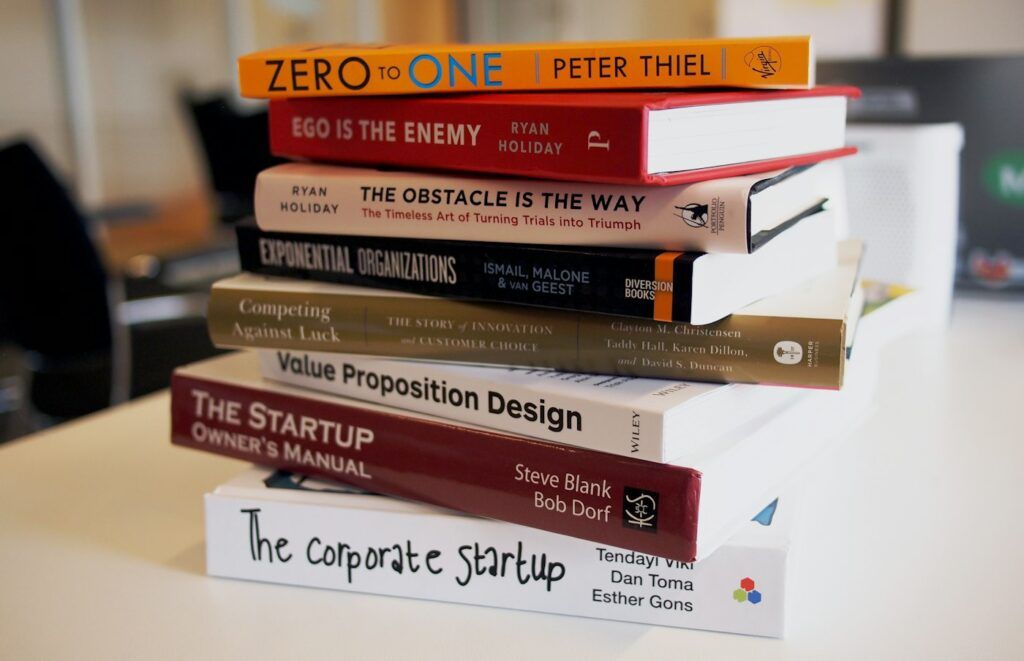



Looking for something specific? Explore the complete collection of publishing guides and resources.
Explore All Articles ↗Clear answers to common service questions. Confirm final project terms in a written scope; unusual legal, rights, platform or specialist questions may require qualified professional advice.
The scope may include interior layout, typography, trim-size setup, chapter styling, front and back matter, page numbering, table of contents, image placement and export to agreed print or digital formats. Proofreading, cover design, upload management and publishing setup should be confirmed separately.
The terms overlap in common use. Formatting often refers broadly to arranging the manuscript for a particular output; typesetting usually emphasizes the detailed design and placement of text on fixed pages. The important question is what actual work and deliverables the provider includes.
Talk to a book formatting Expert ↗Usually, yes. Print is fixed to a trim size with stable page numbers and margins. A reflowable eBook adapts to screen size and reader settings, so it needs a different structure and navigation. A single print PDF is not a substitute for a well-built reflowable eBook.
A file can be prepared for the intended KDP print or digital route, but the specific format and current submission requirements must be confirmed before production. Platform acceptance also depends on other factors, such as complete assets and account metadata, so no formatter should promise acceptance without qualification.
The target printer should be identified in the brief because trim size, margins, bleed, PDF settings and other requirements can differ. If you later change printers or book specifications, the file may need updates.
A clean editable manuscript is usually best, along with images, tables, notes, a list of special requirements and the intended output format. If only a PDF is available, mention that upfront because extracting text and reconstructing layout may require extra work.
Ideally, structural editing and most language editing are complete before final layout. Late revisions can affect pagination, contents and cross-references. If the manuscript is still changing, build a text-freeze point or include clearly scoped post-layout correction rounds.
Yes, these elements can be scoped, but they influence complexity. Share representative pages and final assets early. Some materials may need redesign or author clarification to remain legible and functional in the target format.
No. Proper formatting reduces avoidable file problems, but platforms change requirements and can flag issues outside the interior file. The cover, metadata, rights, account information and submission choices may also matter. Final validation should use the current requirements of the selected platform.
Often a technical or layout issue can be diagnosed, but the rejection message and original source files are needed to define the scope. Some errors originate in the cover, settings or account rather than the interior. Share the report instead of guessing which correction is required.
That depends on the project and contract. The proposal should say whether the handover includes only export files or also editable source documents and design files. Confirm this upfront if you expect to update editions yourself.
The written scope should state the number and type of correction rounds. Proof corrections typically address layout or agreed content errors; new chapters, substantial rewrites or a change of trim size can be different work.
Illustrated children’s books often need a more controlled page composition, coordinated image placement and attention to bleed, safe areas and colour. A text-only novel typically uses a different layout approach. The target age, reading experience, artwork and printer should guide the design.
Review text order, missing or duplicated content, chapter starts, page numbering, headings, image placement, captions, table legibility, references and any special characters. For digital files, test navigation and look at the book in more than one reading environment where practical.
Book formatting can be coordinated remotely for authors and publishers in the United States, United Kingdom, Canada, Australia, India and other regions. We confirm which platform or print provider is being used, the intended edition, spelling convention, language, units, references and whether the book needs special treatment for scripts or accented characters.
Remote support doesnot imply a local office in each market,and one specification should not be assumed to fit all printers. International distribution, tax, ISBN,copyright and retailer account decisionsremain separate publishing considerations unless explicitly included. Always check the current production guidance for the chosen platform before approving final files.
Interior layout is one part of production. Use related services when they address a real dependency, and confirm that the linked destination is live before publishing this page.
Stabilize the manuscript before final layout.
Explore Service ↗Explore book editing services
Explore Service ↗Prepare cover artwork for the same trim size and edition.
Explore Service ↗Explore book cover design services
Explore Service ↗Coordinate production and platform decisions.
Explore Service ↗Review how editorial, design and production fit together.
Explore Service ↗Explore book publishing services
Explore Service ↗Plan image placement and page flow for illustrated titles.
Explore Service ↗Send the manuscript and tell us where the book will be read or printed. We can identify the required formats, production dependencies and the best next step before any layout scope is finalized.
Helpful details to include: